
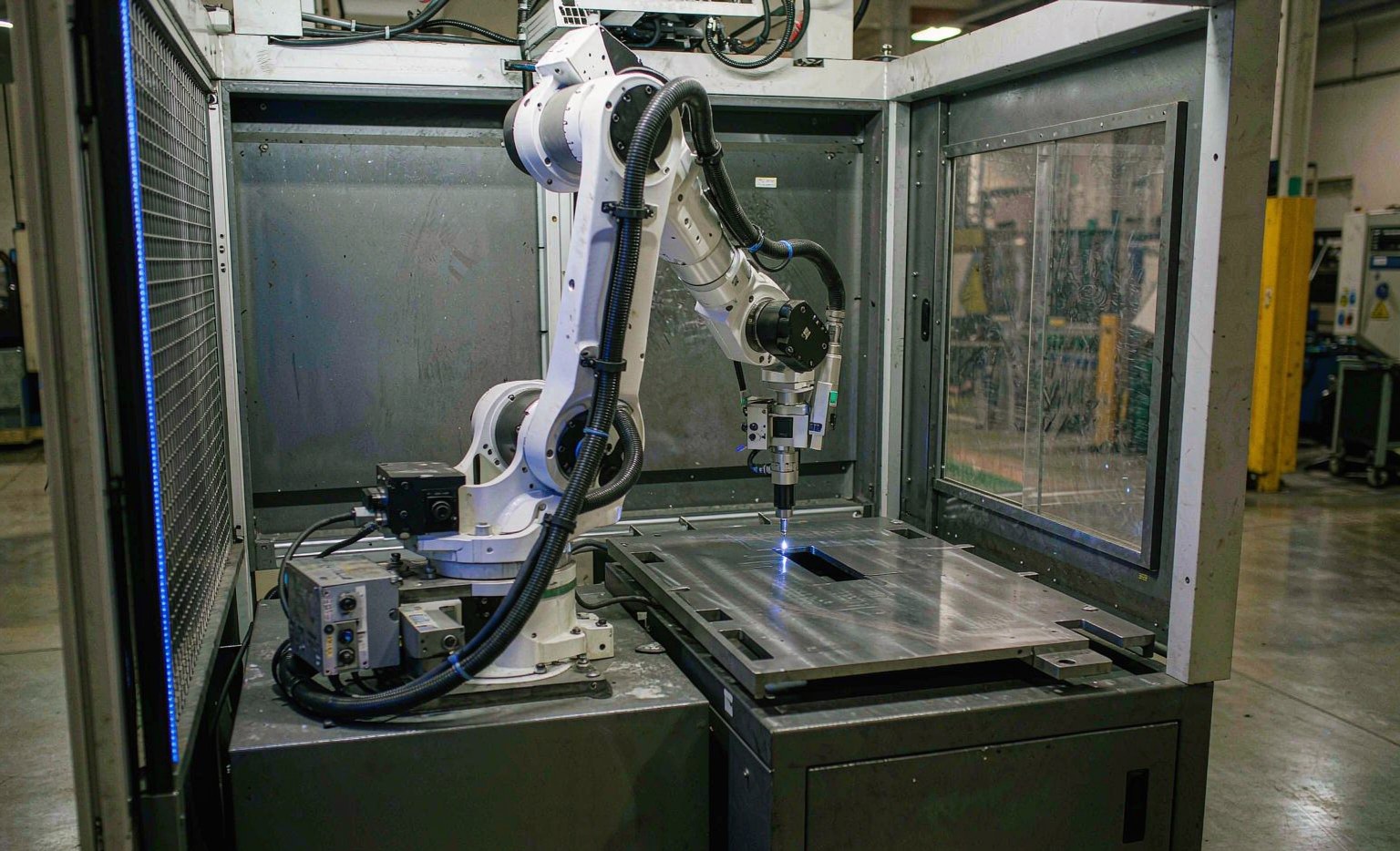
レーザー溶接ロボット:ロボットによるレーザー溶接の仕組み、速度、精度、選定方法(2026年)
A レーザー溶接ロボット 高出力ファイバーレーザーと6軸産業用ロボット(または協働アーム)、さらにリアルタイムプロセス監視を組み合わせて、生産速度で再現性が高く、反りなしの溶接を実現します。手動MIG/TIGからの移行を検討している製造業者にとって、その魅力は具体的です:溶接移動速度は €œ10 m/min, 、熱入力は アーク溶接よりも60–80%低い ことで、熱影響部(HAZ)が最大で削減され 90% —これにより、研磨や矯正の作業の大部分がなくなります。本ガイドでは、これらのシステムがどのように機能するか、従来型溶接と比較してどう違うか、実際に関わる仕様、どこで展開されているか、そしてどのように選ぶべきかを説明します。.
ロボットレーザー溶接システムの動作原理
典型的なセルは3つのサブシステムで構成されます:
- ファイバーレーザー光源。. ほとんどの産業用ユニットは、鋼、アルミニウム、銅が効率的に吸収する波長の 1064~1070 nm, で動作します。ロボット溶接セルでは通常 5–6 kW の光源が使用され、厚板や造船向けラインでは10–12 kWまで引き上げられます。ウォールプラグ効率(電気から光への変換効率)は 25–30%, で、CO₂レーザー(Intouch Ray、ファイバー対アーク比較)の約2〜3倍です).
- ロボット。. 6軸アーム型ロボットは、レーザーヘッドを 繰り返し精度<50 µm. で位置決めします。協働型(コボット)バージョンは ±0.025 mm の精度に達し、フルフェンスなしでオペレーターがセルの横で作業できます(Standard Bots、レーザー溶接ロボット).
- 監視。. プラズマセンサー、放射温度計、ビジョン/シームトラッキングが、侵透と温度をリアルタイムで監視し、すべてのサイクルが仕様内に保たれるようにします(例:溶接手順適合資格のEN ISO 15614-11)。.
ビームは 2–0.5 mmのスポット, に集光され、1–5 m/minの速度で進む6,000–10,000 °Cのプラズマによるキーホール状態を作り出し、同様の継手におけるTIGと比較して、およそ 30%深く、80%速い 溶接が実現されます(KlearLaser、レーザー溶接機の仕組み).
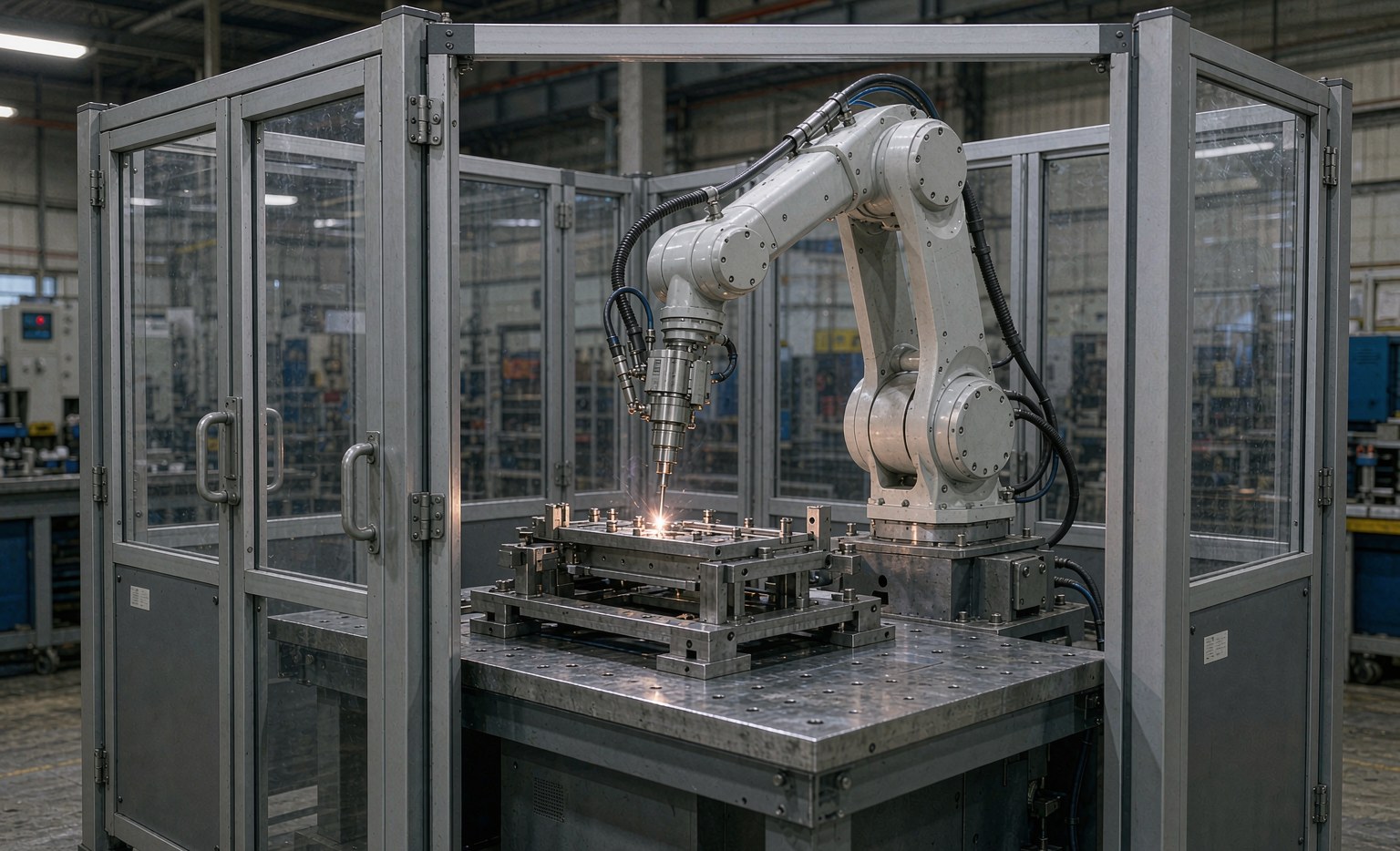
レーザー溶接 vs MIG/TIG:数値データ
下表は、自動化セルでの運用から得られた測定値の差を要約しています。低い熱入力と小さなHAZが、レーザー溶接が後処理をほぼ必要としない理由です。.
| パラメータ | 抵抗点溶接 | MIG/TIG(アーク) | ロボットレーザー溶接 |
|---|---|---|---|
| 移動速度(1 mm鋼) | 5–1.5 m/min | 8–2.0 m/min | €œ10 m/min |
| 熱入力 | 300~500 J/mm | 200~400 J/mm | 50~150 J/mm |
| 熱影響部 | 大 | 大、変形リスクあり | 最小(HAZ −90%) |
| 溶深(シングルパス) | 浅い | 典型的に3–6 mm | 最大10 mm |
| 溶接後クリーンアップ | 不要(しかし低速) | スパッタ、スラグ、研削 | ニアネットシェイプ、最小限 |
| 自動化との適合性 | 限定的 | しばしば手作業 | 完全なロボット化 |
出典:自動レーザー溶接セルの基準値(M4S ニュース)およびファイバー vs アークパラメータ表(インタッチ レイ)。1.5 kWファイバーレーザー は 4 mmステンレス鋼 を片側から全溶穿透可能。 2–4 kW の電源は 3 mmイノーベル合金 をシングルパスでキーホール溶接可能(熱入力は0.5 kJ/mm未満)( Olympus Technologies、レーザー溶接コボットレーザー溶接は、最小限の熱影響部を伴う狭いニアネットシェイプのビードを形成する).
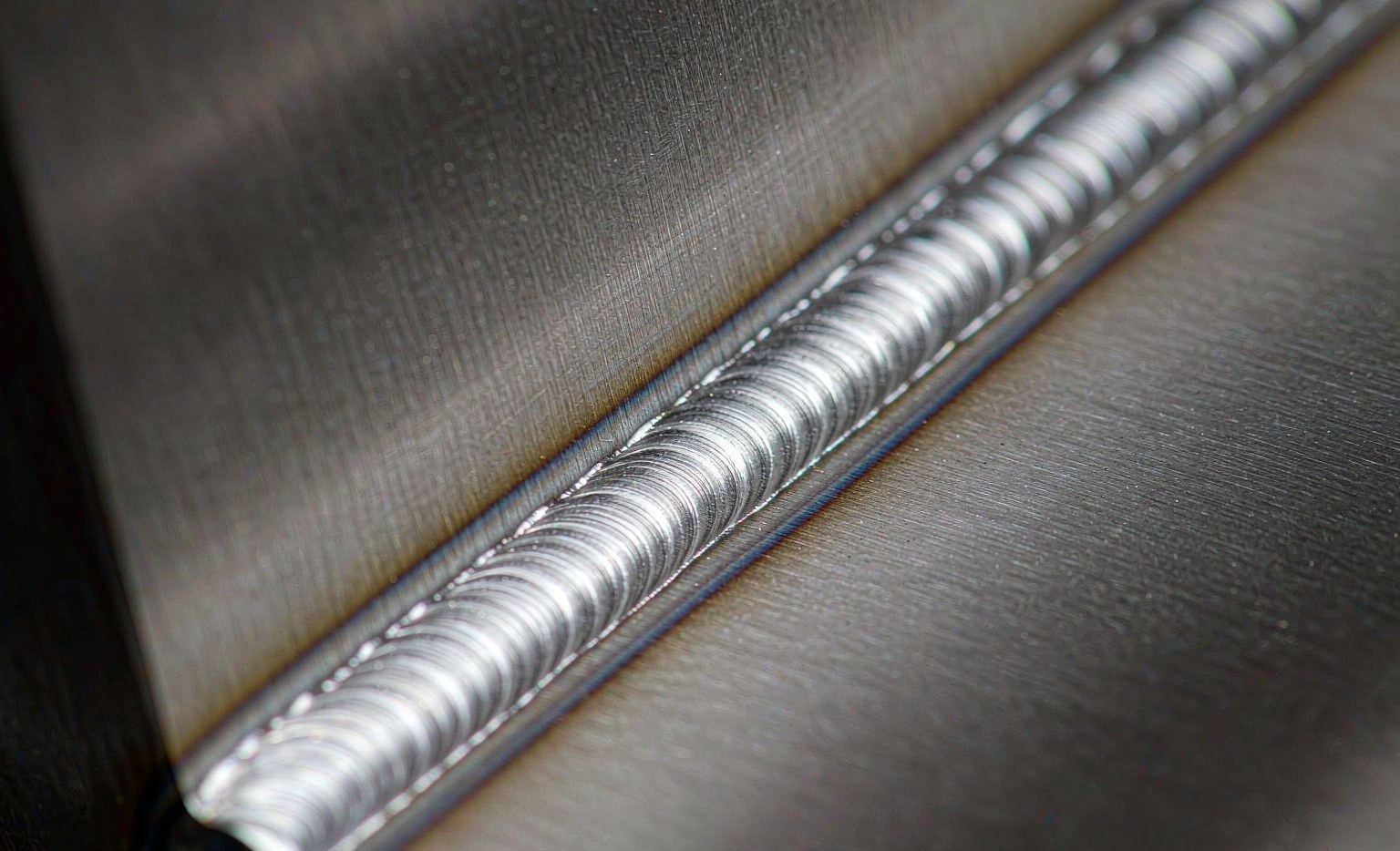
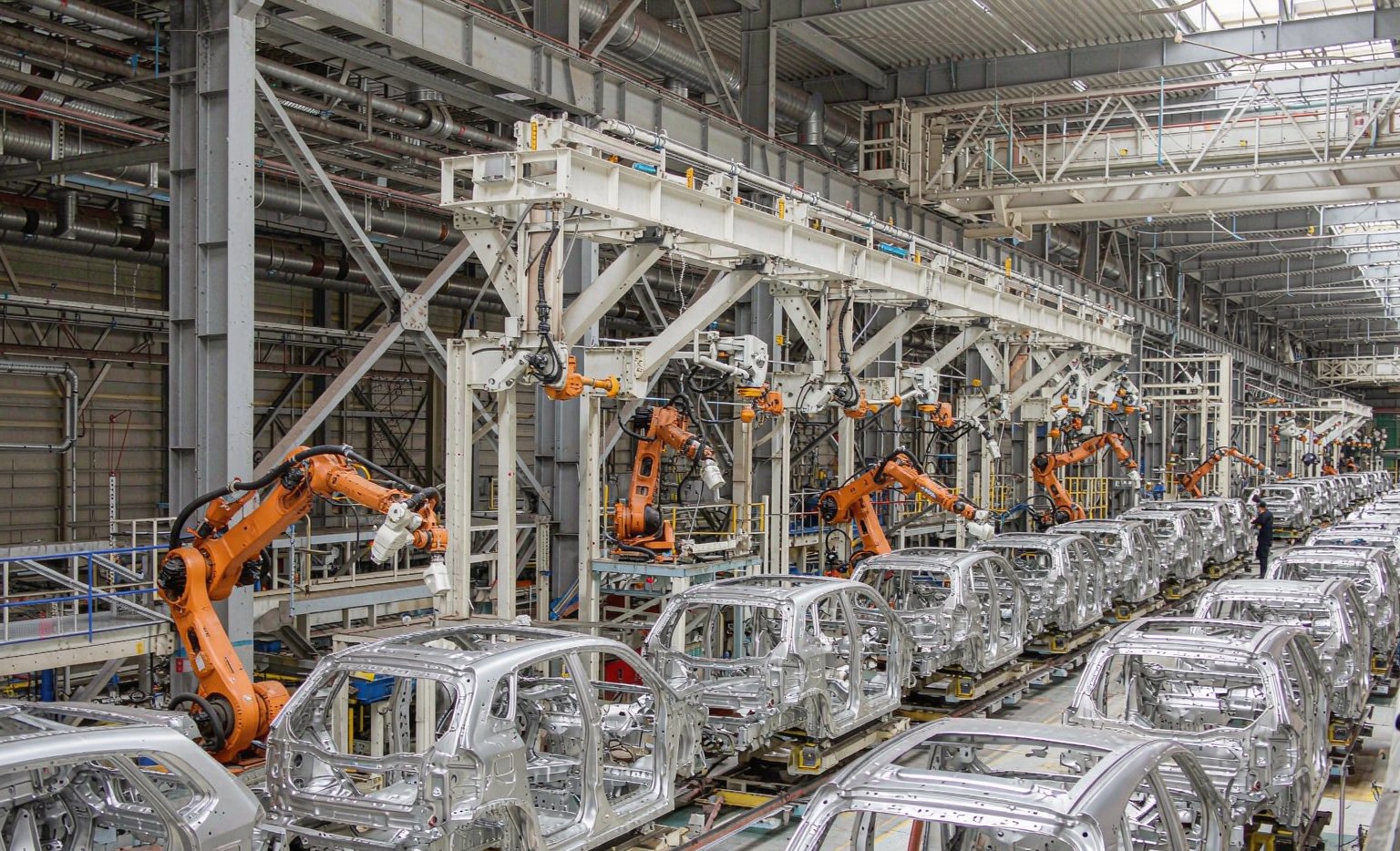
自動車業界は最大の市場であり、2025年のレーザー溶接ロボティックシステム需要の
約38.6% を占め、アジア太平洋地域だけで, $2.8億ドル(世界の41.2%) を占め、 4% CAGR の成長が2034年まで予測されています( Dataintelo マーケットレポート)。主な適用分野:車体白生地(BIW)。
- 遠隔レーザー溶接(RLW)により、ルーフ側の接合部の溶接時間を抵抗点溶接の約3秒/点から約1秒/点まで短縮し、フランジ材料を約50%節約。セルにより、. プラズマ/MIGと比較してBIWサイクルタイムを短縮 30–45% 。.
- EVバッテリーパック。. セルからバスバーへの接続、タブおよびパックシールの溶接にはミクロン単位の精度が必要であり、位置決めは 02 mm, 以内、シール速度は 5 cc/min, tab yield 99.9%. The EV battery sector alone is projected to need 3,400+ new robotic laser welding cells (2025–2028).
- Aerospace. Titanium and nickel super-alloys welded with minimal distortion; heat input kept below 0.5 kJ/mm so post-weld heat treatment drops off the routing.
- Electronics & medical. Microscale, contamination-free joints meeting ISO 13485 traceability.
- Heavy machinery & shipbuilding. Laser-arc hybrid welds 10–50 mm plates in a single pass, ~5× the efficiency of multi-pass arc.
EV battery welding: the precision case
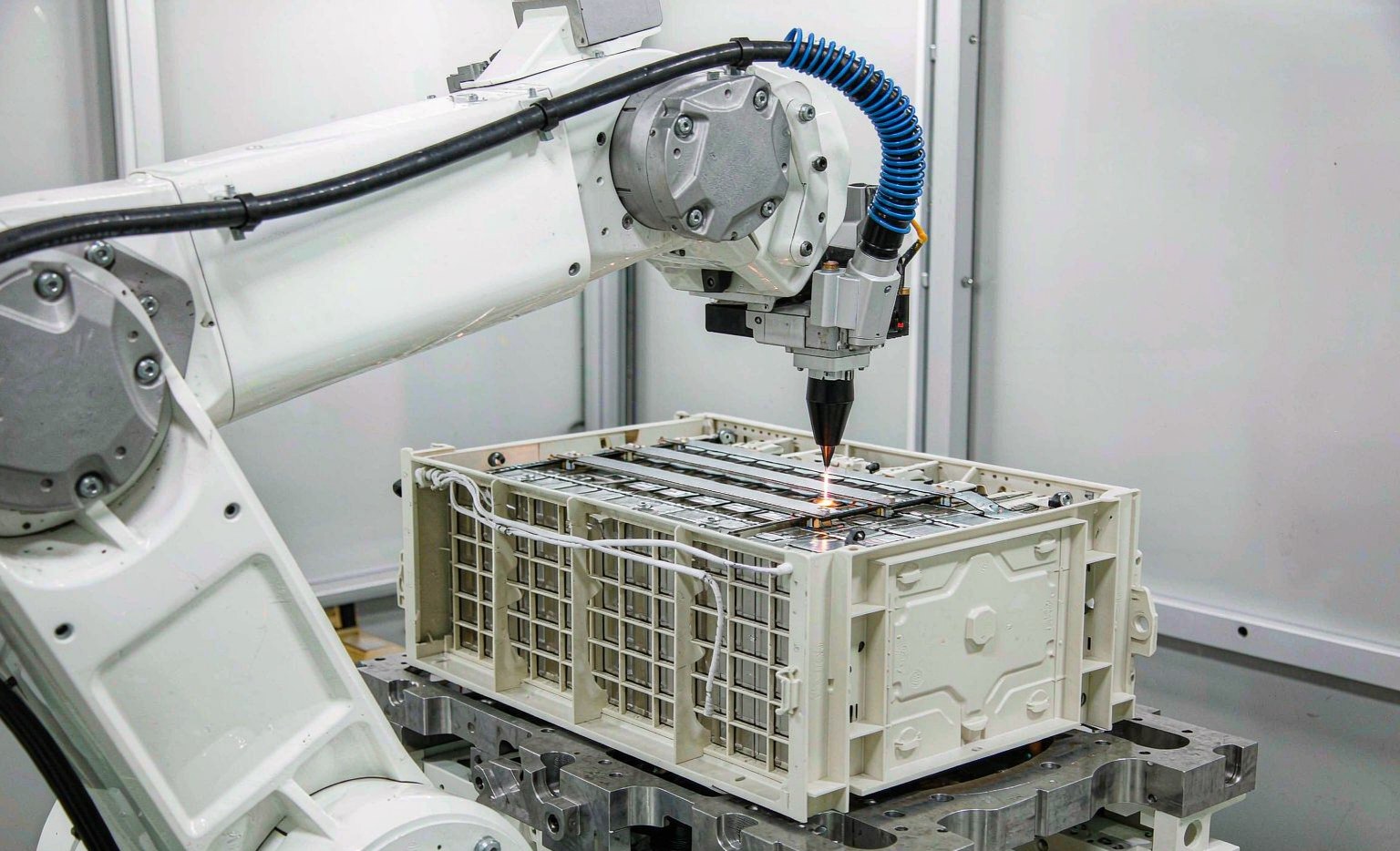
Battery joining is where robotic laser welding earns its keep. Copper and aluminium busbars, nickel-plated tabs and pack enclosures all demand low heat and tight repeatability to avoid damaging cells. Wobble welding heads oscillate the beam 0–3 mm at 100–1000 Hz to bridge 0.3–2 mm gaps on zinc-coated steel without spatter, delivering Class-A seams at ~5 m/min (KlearLaser). Vision-guided cells auto-compensate for ~0.1 mm assembly deviation, holding weld speed near 100 mm/s.
How to choose a laser welding robot
Matching the cell to the part beats chasing the highest wattage:
- Robot type. 6-axis industrial robots for high throughput and reach; cobots (±0.025 mm) for low-volume flexibility and lower entry cost.
- Power. 1.5–3 kW covers thin-gauge (<3 mm) sheet, enclosures, battery trays and medical housings. 3–6 kW handles structural and dissimilar-thickness joints. Above 6 kW, consider laser-arc hybrid for thick plate.
- Integration. Look for EtherCAT, PROFINET and EtherNet/IP so the laser talks to ABB/FANUC/KUKA/Yaskawa controllers.
- Safety. A Class 4 laser (1064 nm) requires a light-tight, interlocked enclosure to EN 60825-1 with OD7+ viewing glass.
- Joint prep. Gap control <10% of material thickness and edge finish Ra <3.2 µm; tight tolerances are the trade-off for the focused beam.
- ROI. Payback is typically 12–18 months on high-volume lines; complete setups run $70,000–$250,000+ depending on power, optics, robot and integration (Standard Bots).
Internal resources
TrueSyn Robotic builds the laser source, chiller and robot integration as a turnkey cell. Related capabilities: