What Makes a Robotic Grinding Cell More Than Just a Robot?
Robotic Grinding Automation Solution
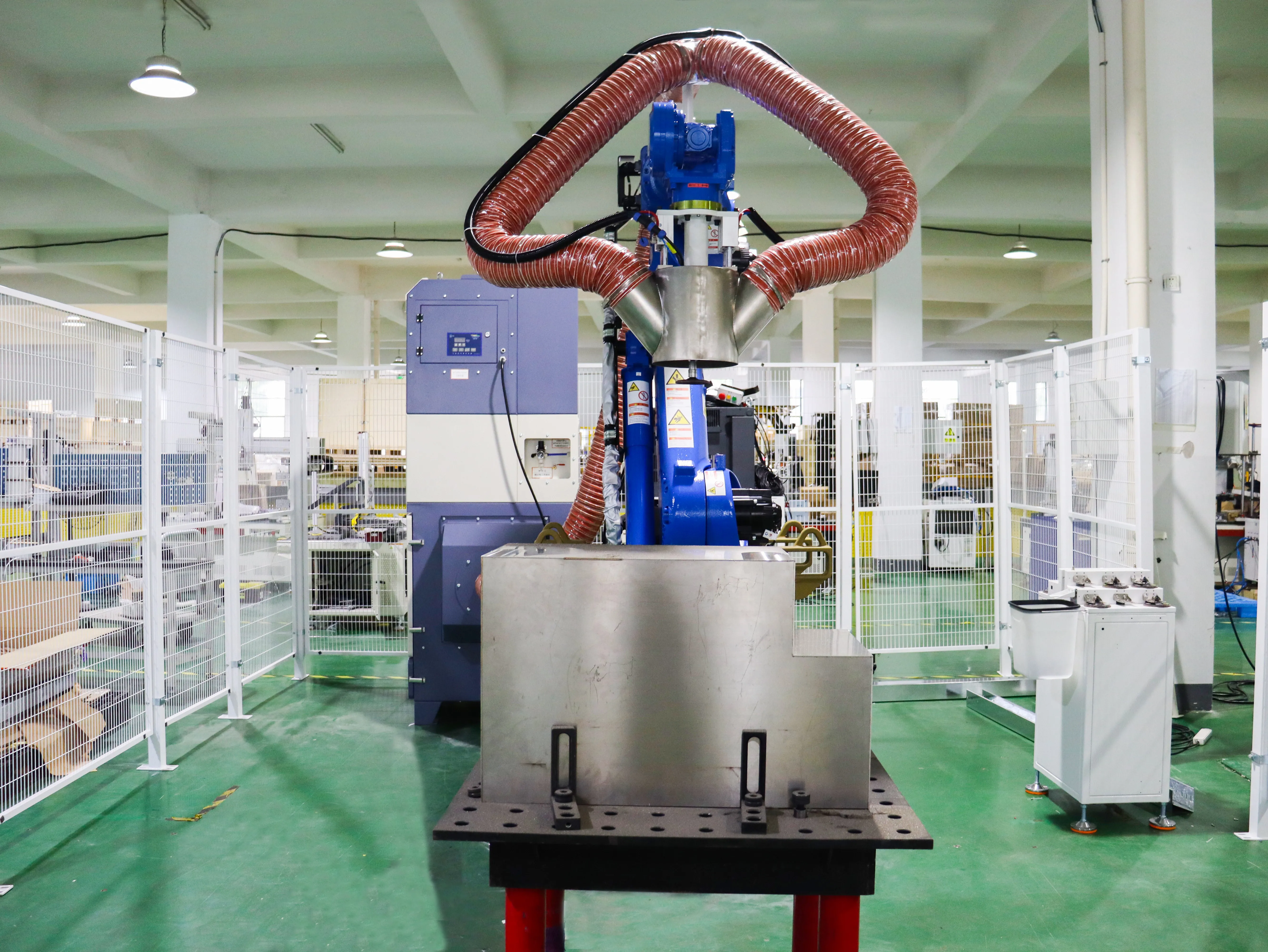
Many people think robotic grinding is simply a robot holding a grinding tool. In reality, consistent grinding depends on an entire system working together.
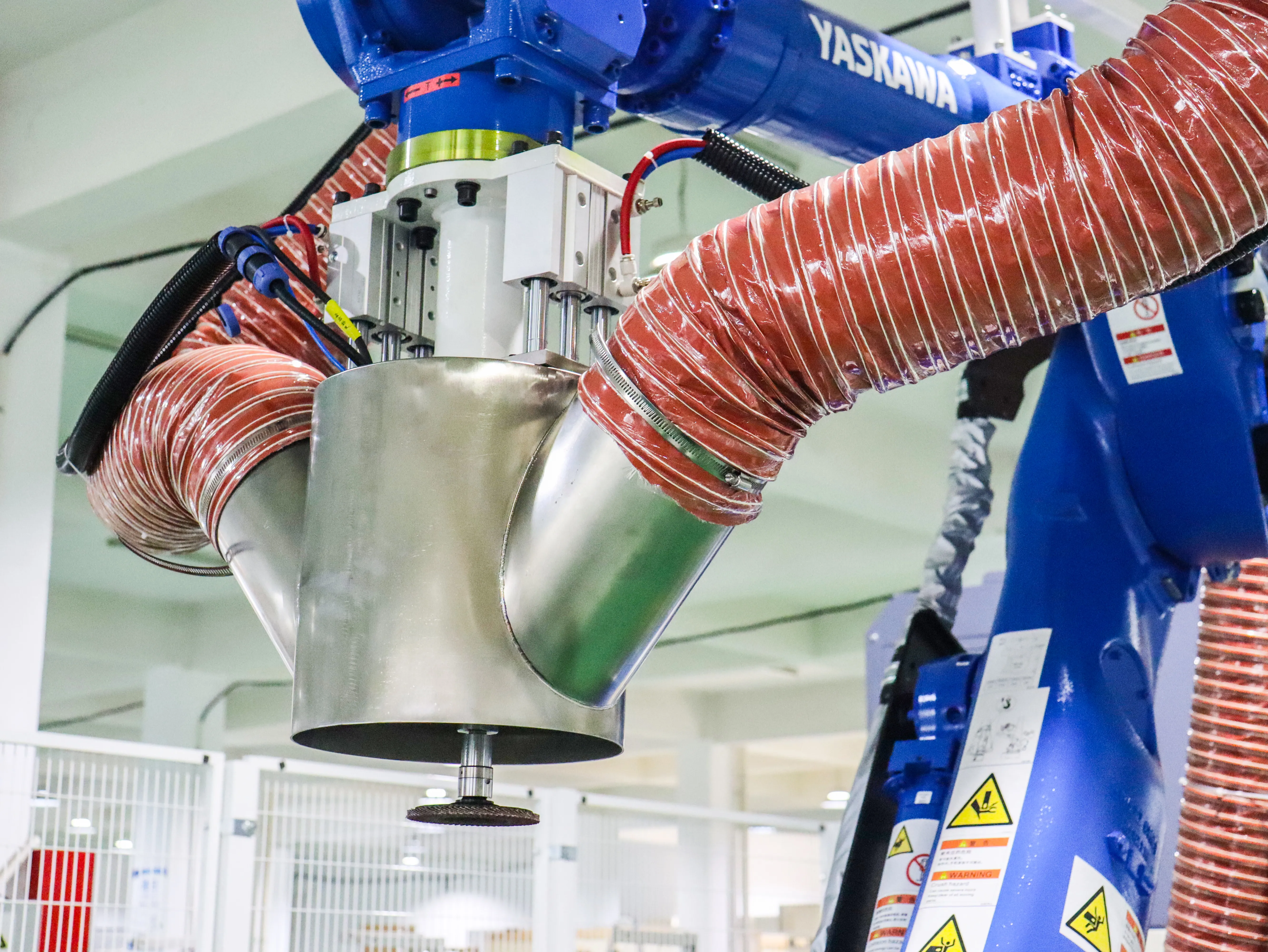
From robot motion and force control to dust extraction and tool management, every component is designed to solve a specific manufacturing challenge.
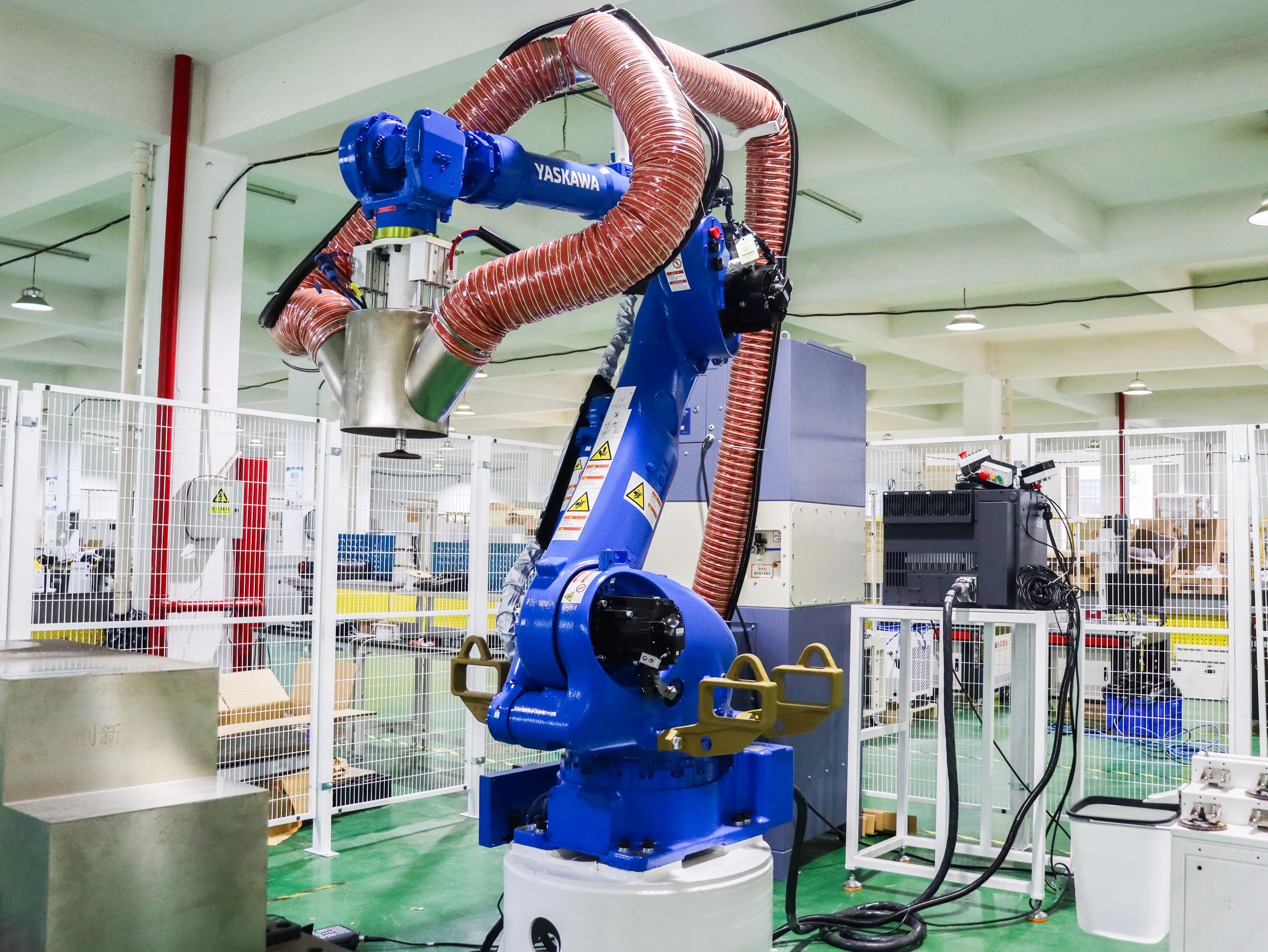
A robot doesn’t improve grinding quality simply because it moves fast. What matters is how accurately it can repeat the same path.
Most industrial robots offer repeatability in the range of ±0.02–0.08 mm, providing a reliable foundation for automated grinding. However, castings, weldments, and fabricated parts often vary by ±0.5–2 mm, meaning motion accuracy alone is only part of the solution.
2.Grinding Is a Contact Process
Unlike welding or handling, grinding depends on continuous contact between the abrasive and the workpiece.
As grinding wheels wear and part dimensions change, maintaining stable contact becomes one of the biggest challenges. This is why many robotic grinding systems integrate force control, allowing the process to adapt to normal part variations instead of relying only on a fixed robot path.
3.One Grinding Tool Doesn't Fit Every Process
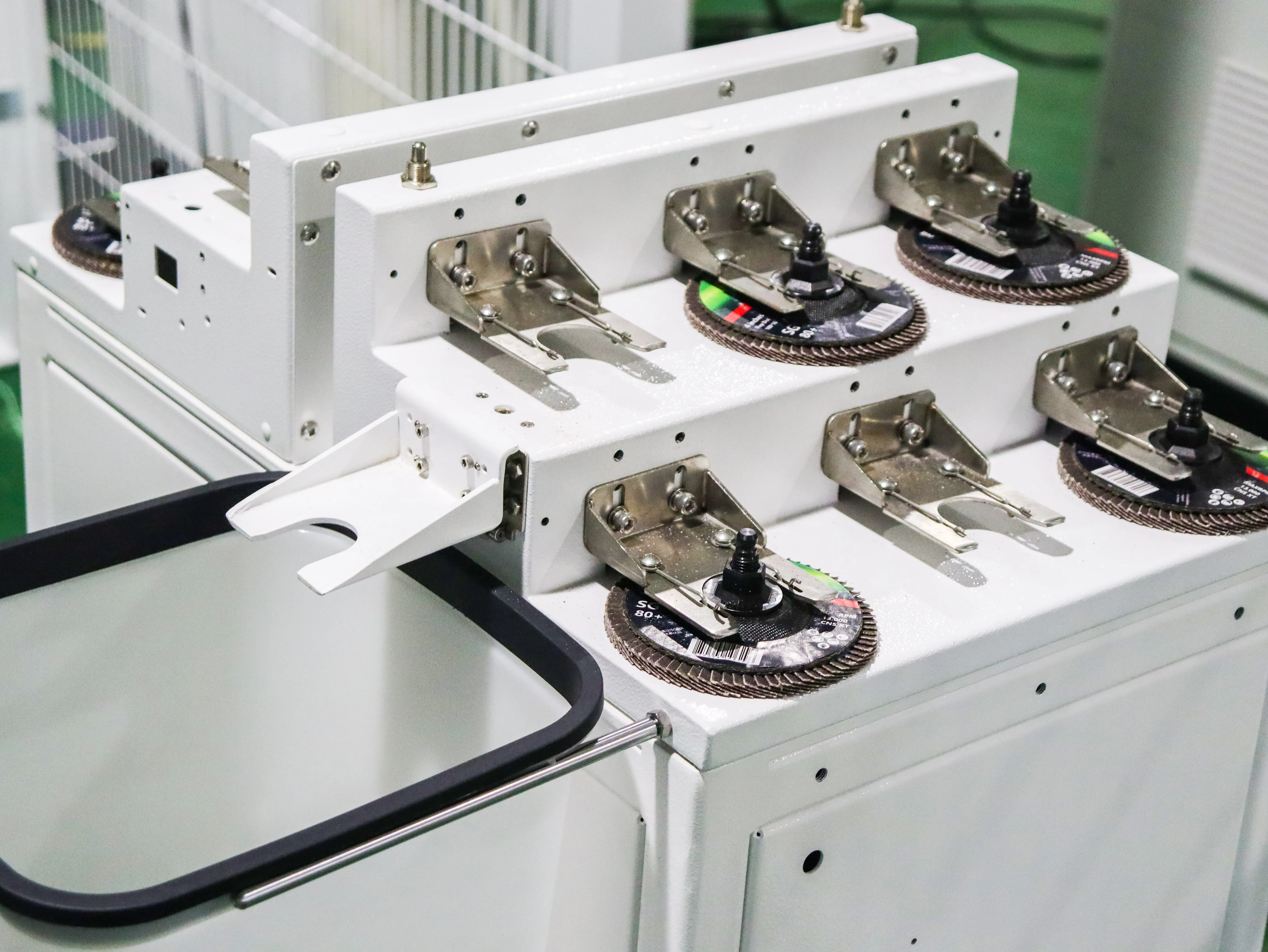
A typical metal part may require rough grinding, edge blending, and surface finishing in a single production cycle.
Using one abrasive for every operation often reduces efficiency and surface quality. An automatic tool changing station allows the robot to switch between different grinding tools automatically, reducing manual intervention and improving process flexibility.
4. Dust Control Is Part of the Process
Grinding spindles commonly operate between 6,000 and 12,000 rpm, continuously generating fine metal particles.
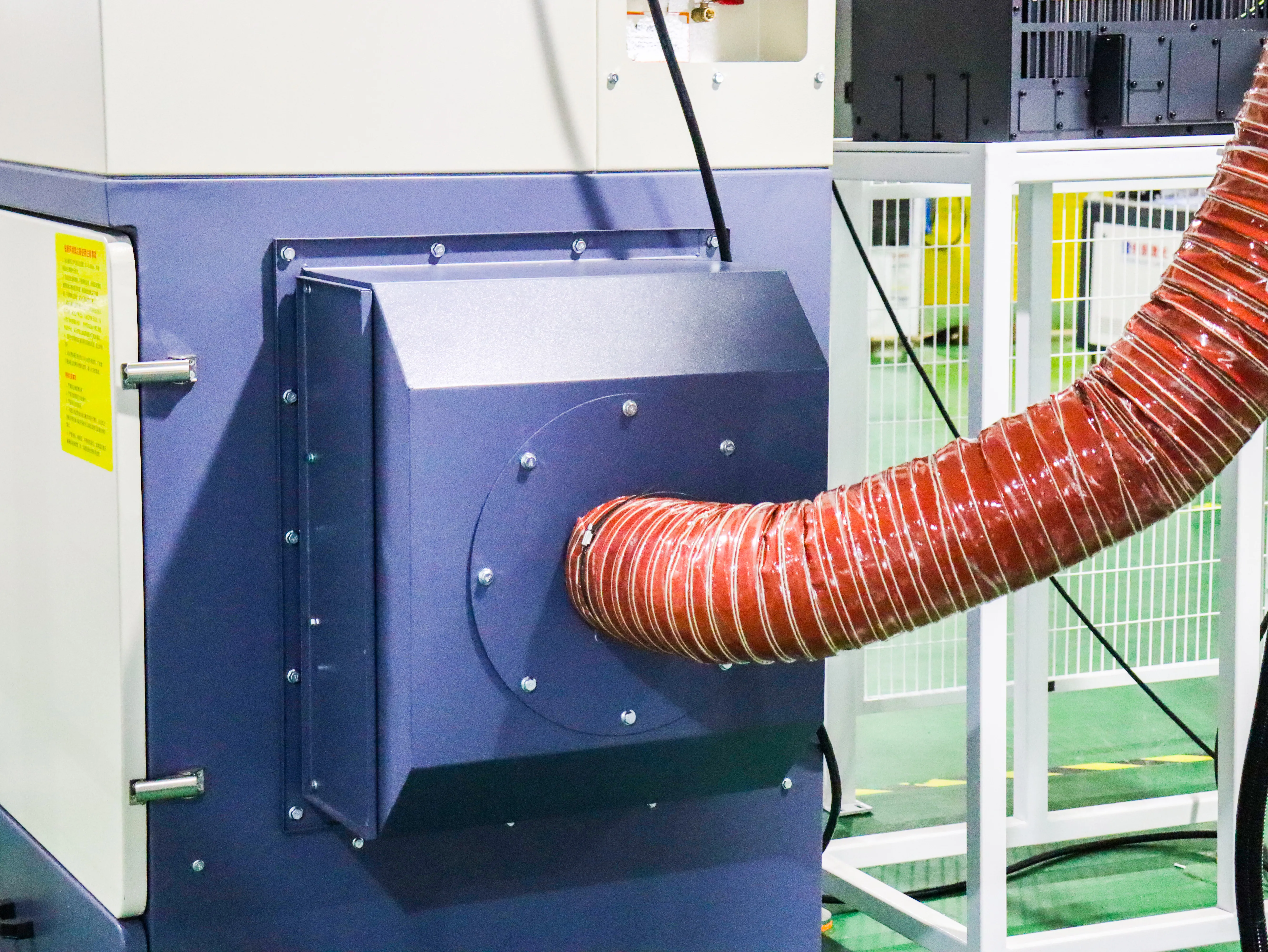
Without effective dust extraction, these particles can contaminate equipment, increase maintenance requirements, and affect the working environment. For this reason, industrial dust collection is considered an essential part of a reliable grinding cell rather than an optional accessory.
A Complete System Works as One
A robotic grinding cell is more than a collection of individual components.
The robot, grinding head, force control system, tool changer, dust collector, fixtures, and control cabinet must work together as one integrated system. When properly designed, the result is a stable grinding process, repeatable quality, and a production cell that can operate continuously with minimal operator intervention.
01
Step
Submit Requirements
Provide drawings, photos, videos, and basic project details to help us quickly understand your needs.
02
Step
Technical Evaluation
Our team analyzes your materials and proposes the most suitable laser or automation solution.
03
Step
Design & Production
We finalize the solution, start detailed design, and manufacture the required equipment.
04
Step
Delivery & Support
We install the system, train your team, and provide ongoing technical service.
Contact
Reliable After-Sales Service You Can Trust.
Our service team offers quick troubleshooting, remote assistance, on-site support, and lifetime technical guidance to keep your production stable and efficient.