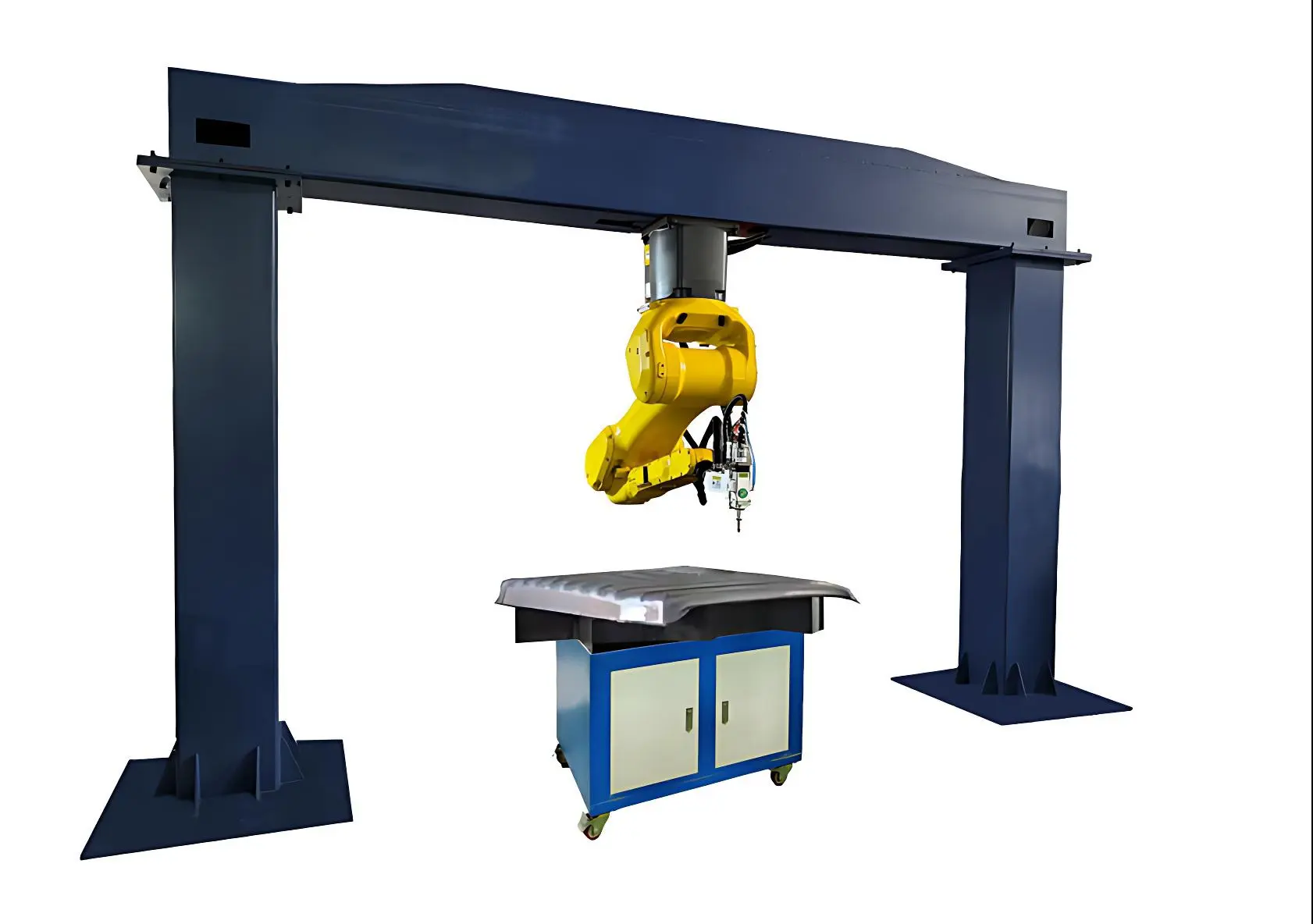
3D laser cutting is becoming an increasingly useful solution for manufacturers working with complex metal parts.
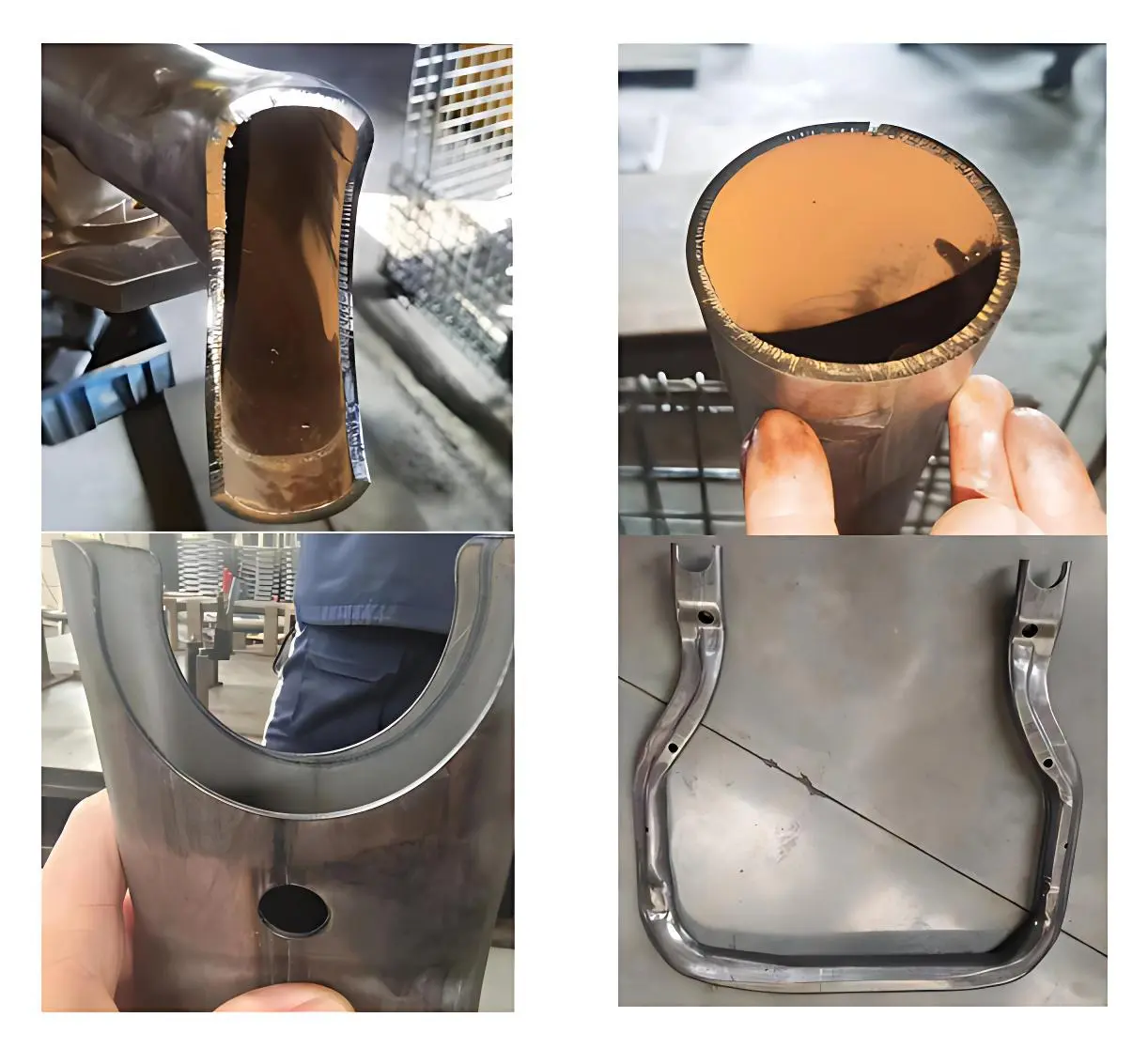
Unlike traditional 2D laser cutting, a 3D laser cutting robot can move the laser cutting head in multiple directions and follow complex three-dimensional contours. This makes it a good choice for automotive parts, stamped components, aluminum castings, tubes, construction machinery parts and other irregular metal components.
Where Is 3D Laser Cutting Used?
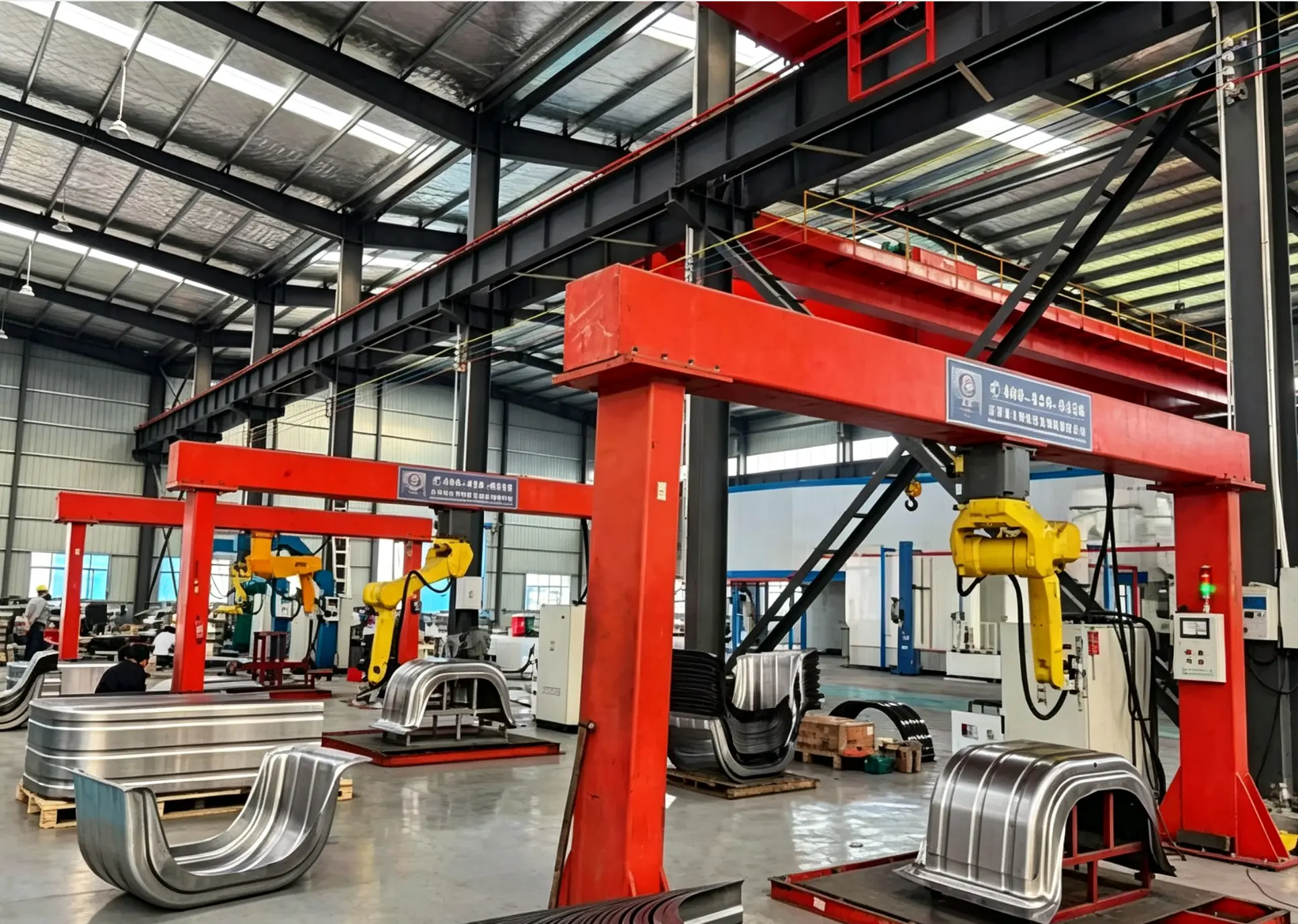
3D robotic laser cutting is widely suitable for parts that are difficult to process with a traditional 2D laser cutting machine.
Typical applications include:
Automotive stamped and hot-formed parts
Automotive structural components
Aluminum castings
Exhaust pipes and complex tubes
Hydroformed components
Aluminum profiles
Construction and agricultural machinery parts
Aerospace components
For example, an automotive stamped part may require several holes and complex edge trimming from different directions. A six-axis robot can move around the workpiece and keep the laser cutting head at the required angle, making these operations much easier.
A Flexible Solution for Low-Volume, High-Mix Production
One of the biggest advantages of a 3D laser cutting robot is flexibility.
It is especially useful for small-batch and multi-product production.
When a manufacturer develops a new product, it may only need a few dozen or even a few pieces for prototype testing, assembly verification and process development. Investing in dedicated dies or complicated tooling at this stage can be expensive and time-consuming.
A robotic laser cutting system offers a different approach.
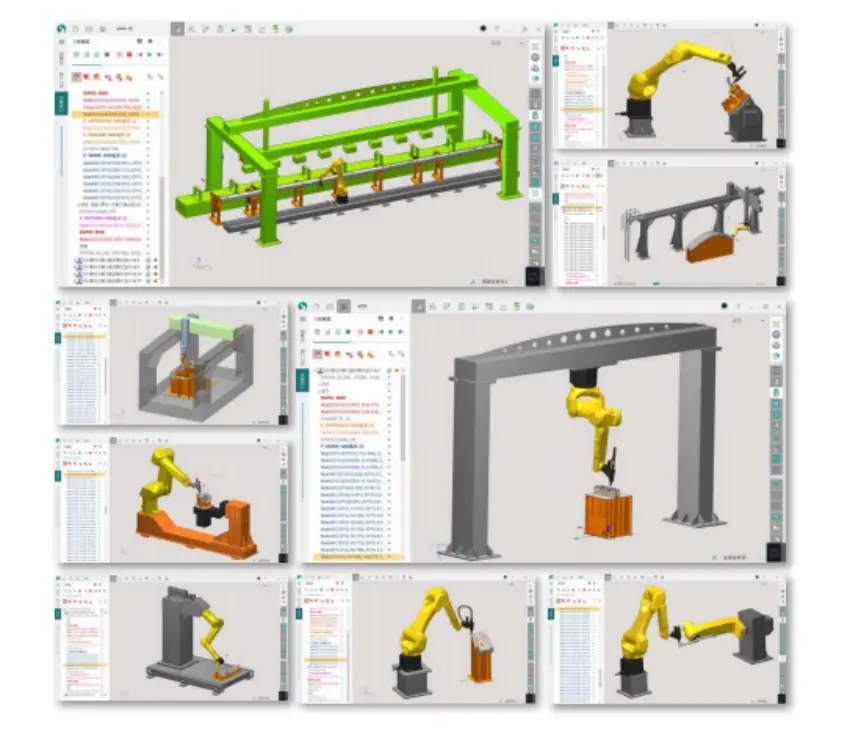
With offline programming software, engineers can import a 3D CAD model, create the robot cutting path and simulate the process before production.
3D CAD Model → Offline Programming → Simulation → Laser Cutting
If the product design changes, the cutting program can simply be modified.This makes 3D laser cutting robots particularly attractive for:New product development, prototyping, low-volume orders and high-mix production.
Why Does Robot Accuracy Matter?
When choosing a laser cutting machine, many customers first ask about laser power.
3 kW? 6 kW? Or higher?Of course, laser power is important. But for precision 3D laser cutting, it is only one part of the system.
The robot must accurately follow the programmed cutting path.
This becomes especially important when cutting small holes or complicated contours.
If the robot has poor repeatability or loses accuracy after long-term operation, the cutting path can gradually deviate from the programmed path. The result may be poor hole roundness, inconsistent dimensions or unstable production quality.
That’s why we believe:For precision 3D laser cutting, robot accuracy matters.
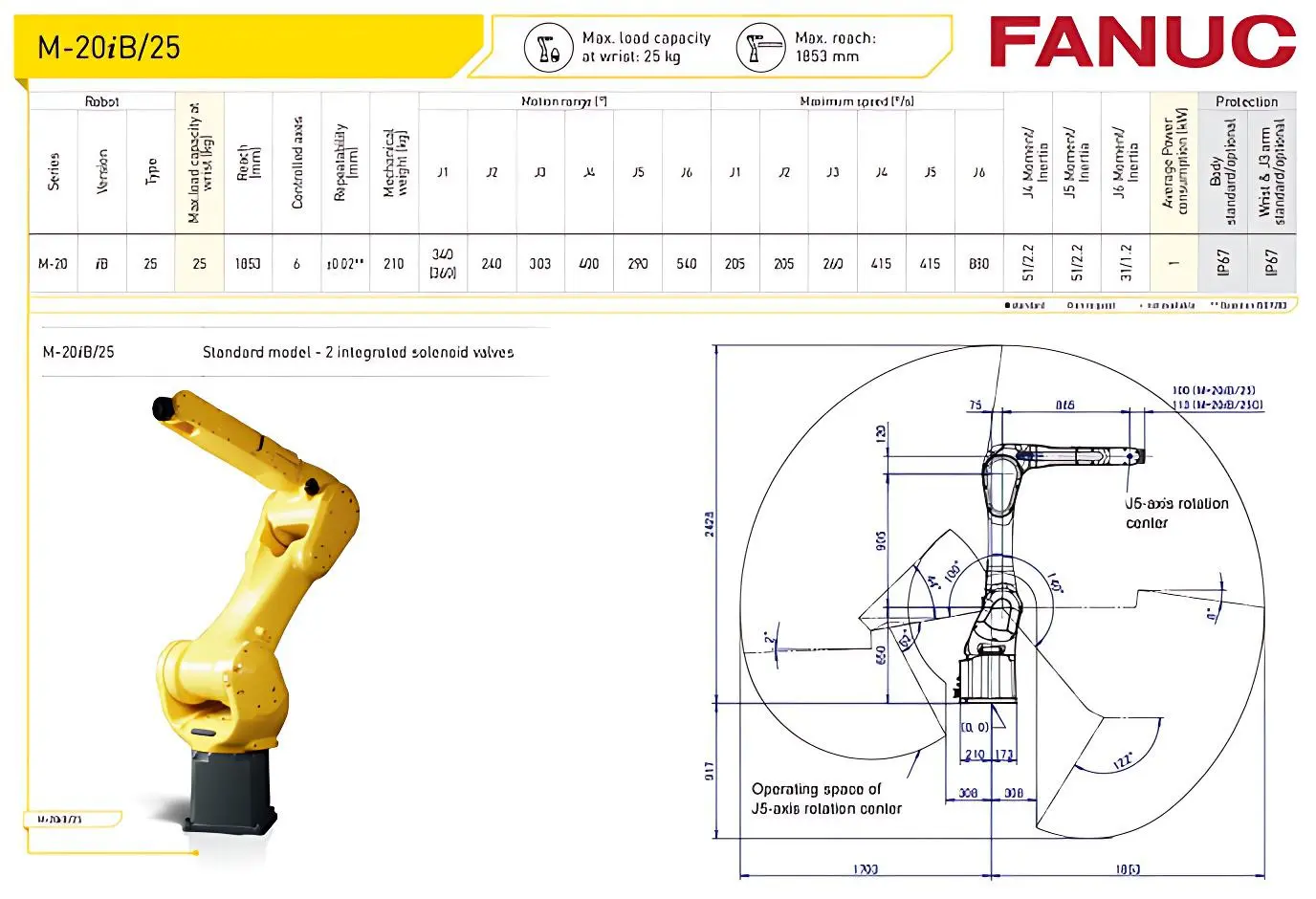
Why TrueSyn Uses the FANUC M-20iB?
Based on our internal testing, the FANUC M-20iB delivered the best cutting accuracy and path stability among the major-brand robots we tested for this application.
Small-hole cutting is a good example.
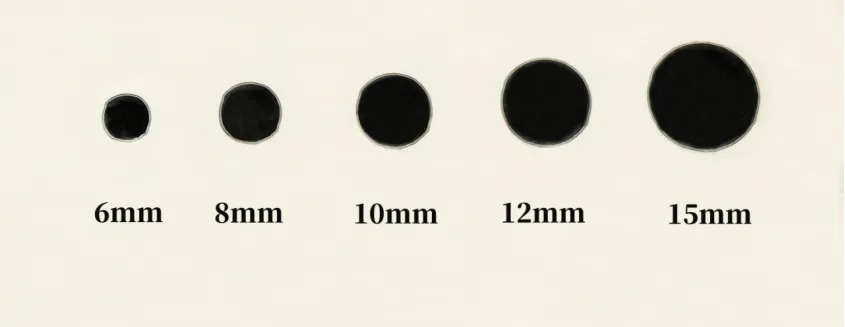
Under our tested process conditions, our system can cut 6 mm diameter holes with good roundness.For a small circular hole, the robot needs to accurately follow a very small circular trajectory. Even a small motion deviation can affect the final hole shape.
TrueSyn 3D Laser Cutting Robot:
Our 3D laser cutting system combines several key components:
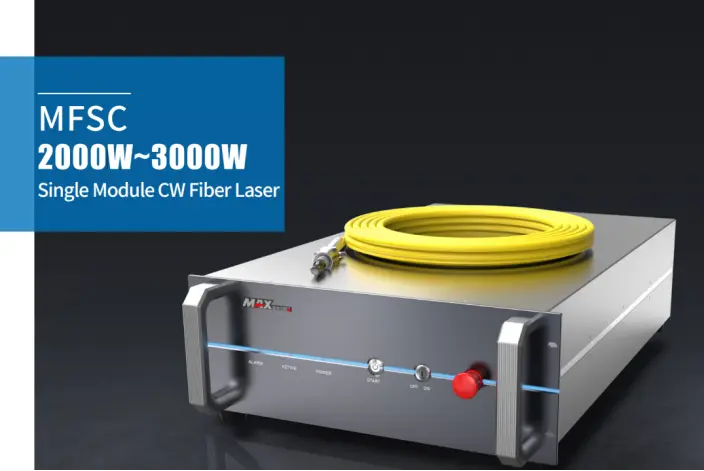
1) 3 kW Fiber Laser
A 3 kW fiber laser provides a good balance between cutting capability and system cost for many 3D metal processing applications.
2) FANUC M-20iB Robot
A high-precision six-axis robot designed for flexible and accurate three-dimensional motion
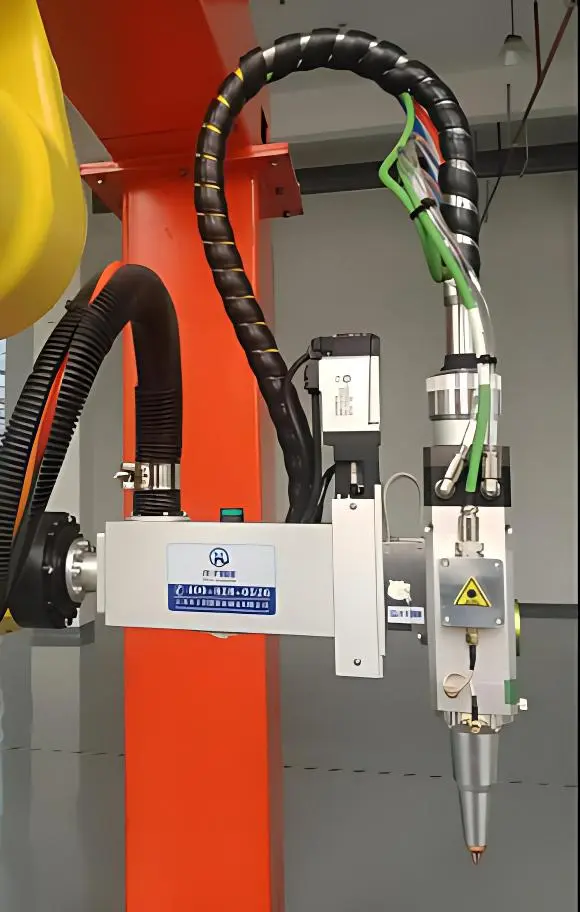
3) Anti-Collision Cutting Head with Automatic Height Adjustment
The cutting head is equipped with anti-collision protection and automatic height adjustment, helping maintain a suitable cutting distance when processing complex 3D surfaces.
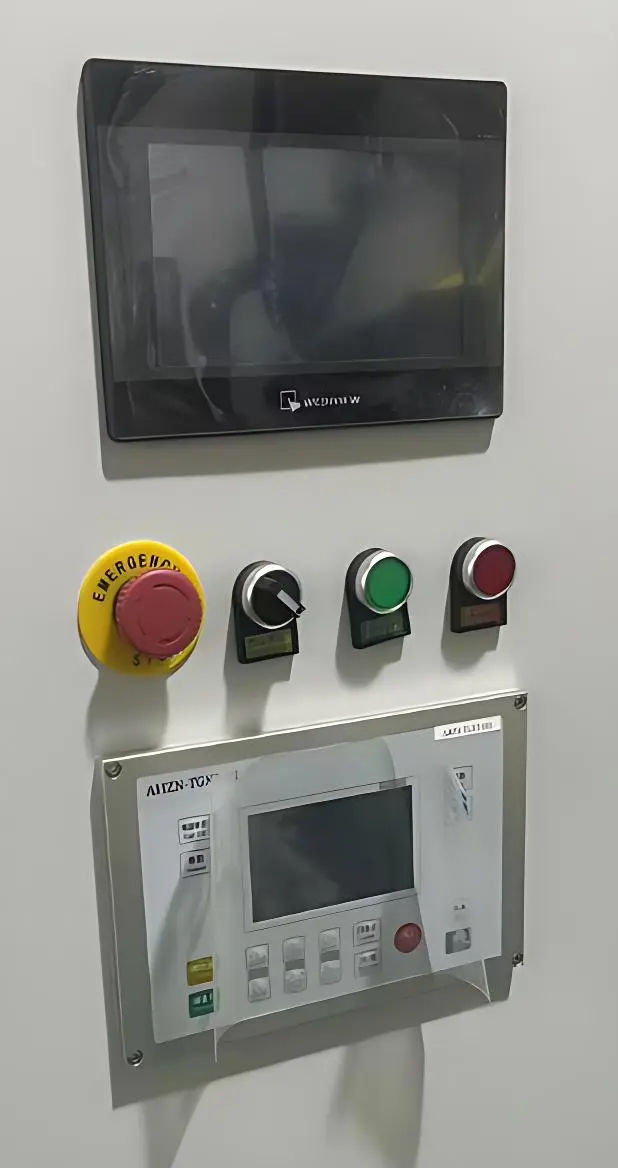
Height Follow Function
This is a high-performance capacitive height controller specifically designed for laser cutting applications, capable of both standalone and bus-based height adjustment.
It directly and accurately measures changes in the capacitance between the laser head and the workpiece in real time.
A safety mechanism monitors operating status in real time, ensuring efficient and safe laser cutting operations in the event of unexpected errors.
The real value comes from integrating the whole system.
Why Choose TrueSyn?
TrueSyn has been focused on laser welding, laser cutting and laser automation for 13 years.
Our experience covers not only laser equipment, but also automation engineering, fixture design, electrical control, robot programming and on-site commissioning.
For a 3D laser cutting project, we can help customers with:
Robot and laser system selection
Fixture and positioning design
Offline programming
Laser cutting process development
Robot trajectory optimization
Safety system integration
On-site commissioning
If you are looking for a 3D laser cutting robot for automotive parts, stamped components, tubes, aluminum castings, prototypes or low-volume production, talk to TrueSyn.
Tell us about your part. We can help you find the right 3D laser cutting solution.
01
Step
Submit Requirements
Provide drawings, photos, videos, and basic project details to help us quickly understand your needs.
02
Step
Technical Evaluation
Our team analyzes your materials and proposes the most suitable laser or automation solution.
03
Step
Design & Production
We finalize the solution, start detailed design, and manufacture the required equipment.
04
Step
Delivery & Support
We install the system, train your team, and provide ongoing technical service.
Contact
Reliable After-Sales Service You Can Trust.
Our service team offers quick troubleshooting, remote assistance, on-site support, and lifetime technical guidance to keep your production stable and efficient.