
Laser Welding vs TIG/MIG: Speed, Heat Input and Distortion
Laser welding has moved from a niche process to a default for thin-sheet and high-speed joining, yet buyers still compare it against the familiar TIG and MIG arcs. The difference is not “better or worse” — it is heat input, speed and distortion. This article compares them on the numbers that affect a production cell, so the choice is grounded in the part, not the brochure.
The decisive variable is how much heat enters the part to make the joint. Laser puts in far less energy in far less time, and that is what buys the speed and the low distortion — at the price of tighter fit-up and higher capital cost.
Weld speed
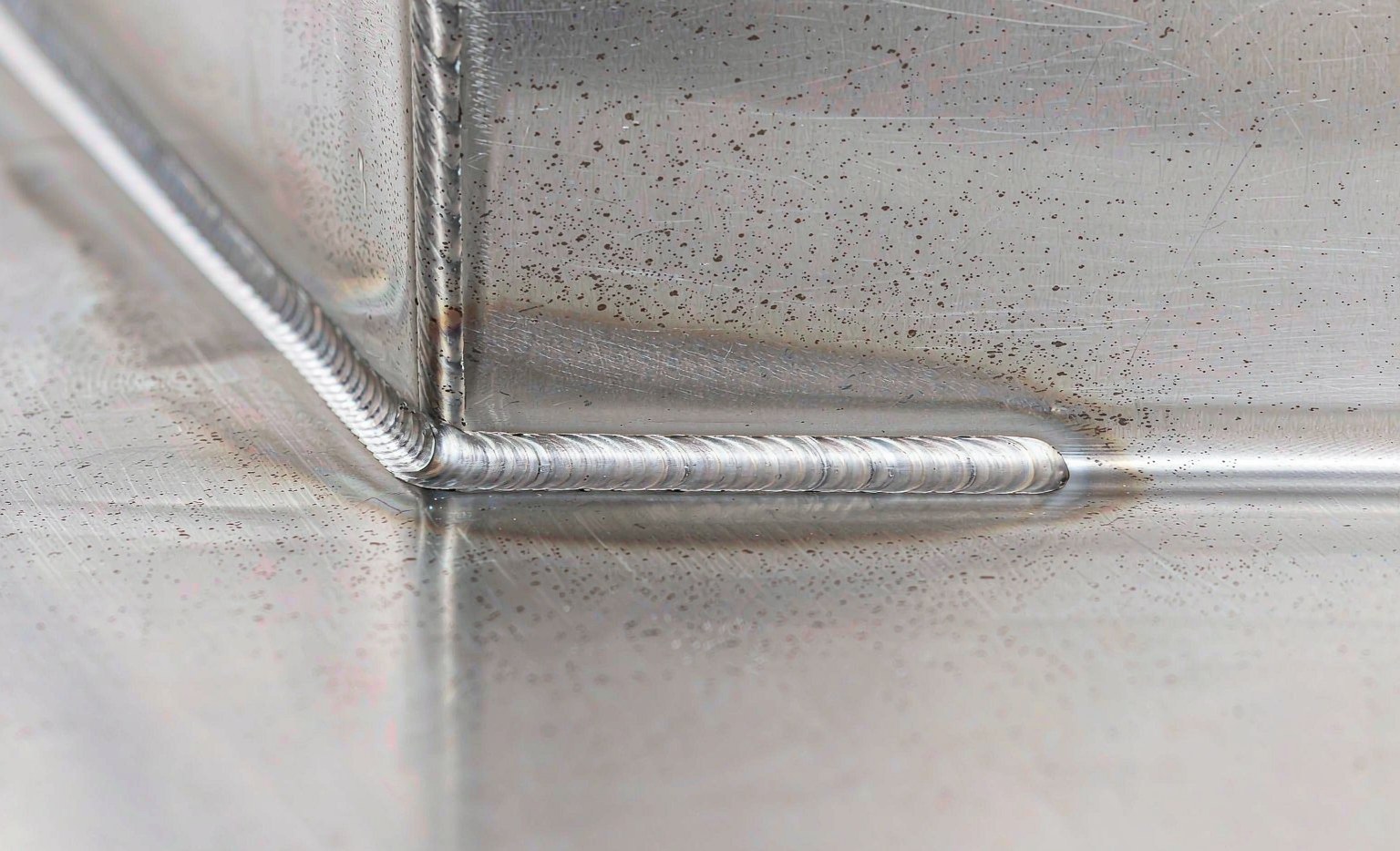
Continuous fiber-laser welding typically runs at 1 – 10 m/min in keyhole mode, against roughly 0.3 – 1 m/min for MIG and slower still for TIG. That 5–20× speed gap is why laser cells dominate automotive and battery lines where throughput is the constraint, not the weld itself.
Heat input and distortion
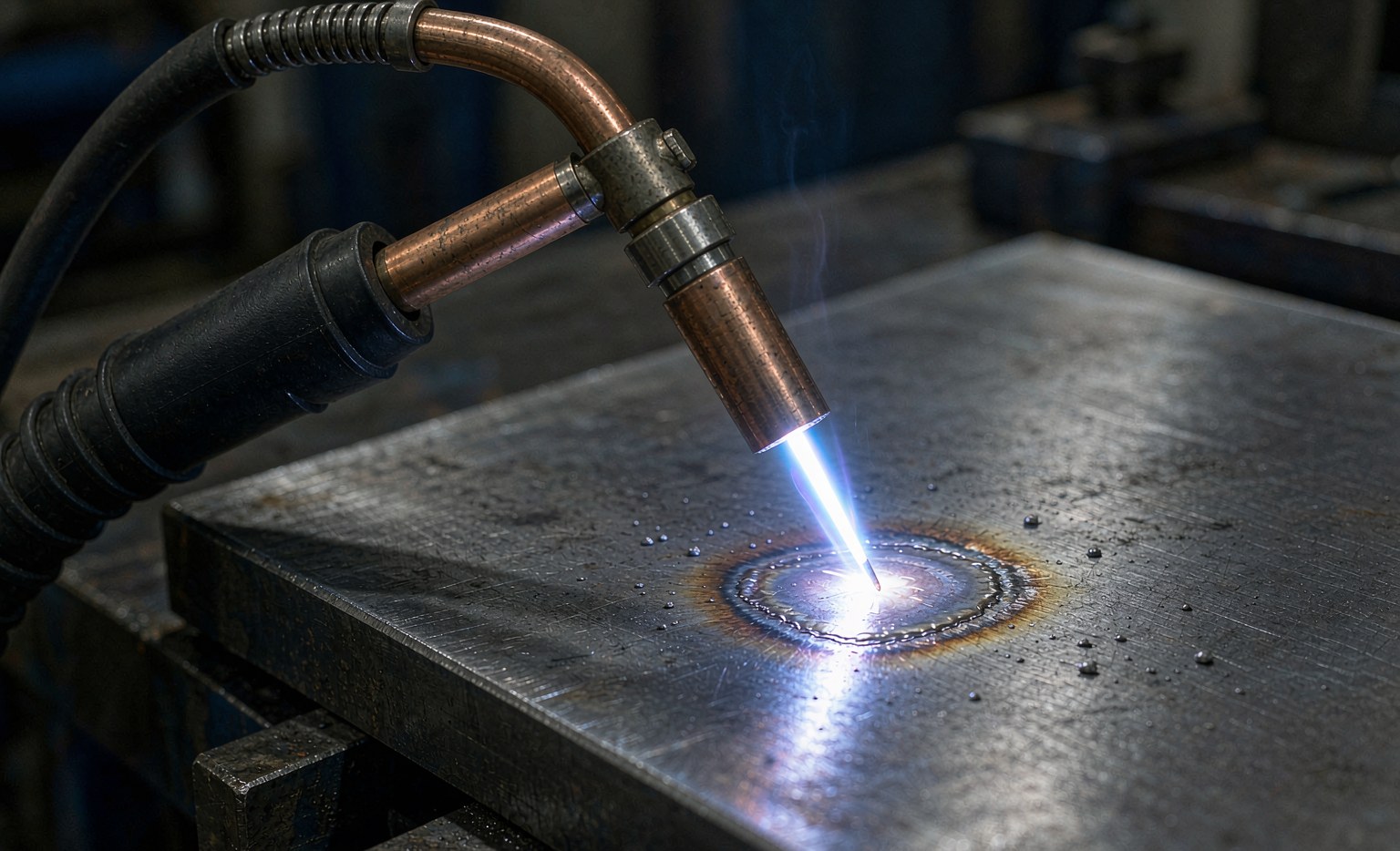
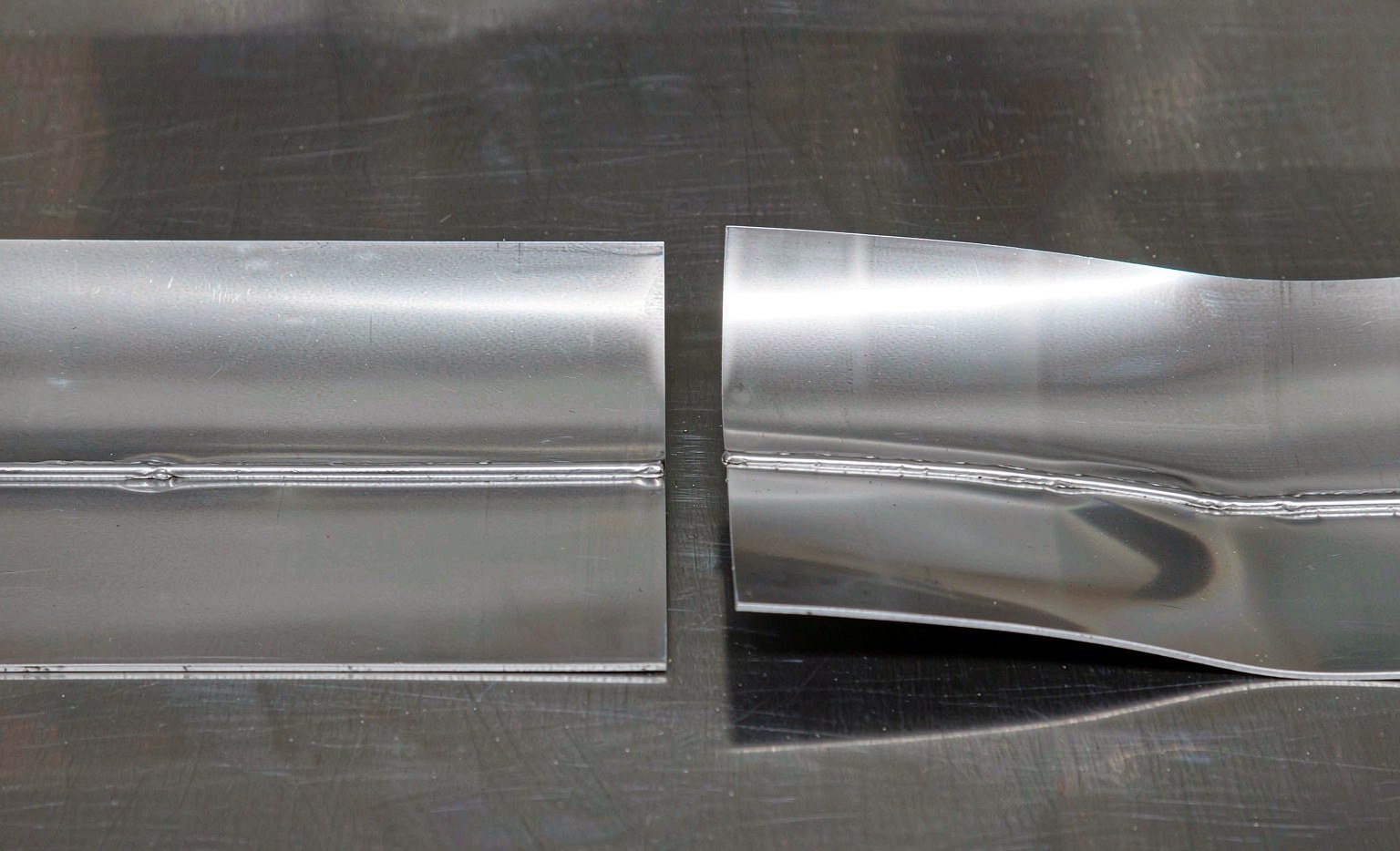
Because the laser deposits energy in a tiny spot, total heat input is far lower than an arc. The result is a narrow heat-affected zone (HAZ) and markedly less distortion — critical on thin stainless or aluminum sheet that would warp under an arc.
Less heat also means less residual stress and fewer post-weld straightening steps, which on thin cosmetic parts can be the difference between a one-pass weld and a rework loop.
| Metric | Laser | MIG | TIG |
|---|---|---|---|
| Weld speed | 1 – 10 m/min | ~0.3 – 1 m/min | slower |
| Heat input | Very low | High | Medium–high |
| Distortion | Low | High | Medium |
| Spatter | Low | High | Low–medium |
| Penetration control | Keyhole, deep/narrow | Broad | Shallow, precise |
| Filler wire | Optional (autogenous possible) | Required | Often used |
Joint design and consumables
Laser welding favors tight fit-up — gaps steal penetration — and can run autogenous (no filler) on thin, clean joints, which removes wire cost and feeding hardware. MIG lays filler for strength and gap tolerance; TIG gives the most controlled root on thin sections.
Consumables differ too: MIG needs wire and shielding gas; laser needs optics protection and usually an assist or cover gas. Those differences show up in both the per-part cost and the maintenance routine.
Capital and operating cost
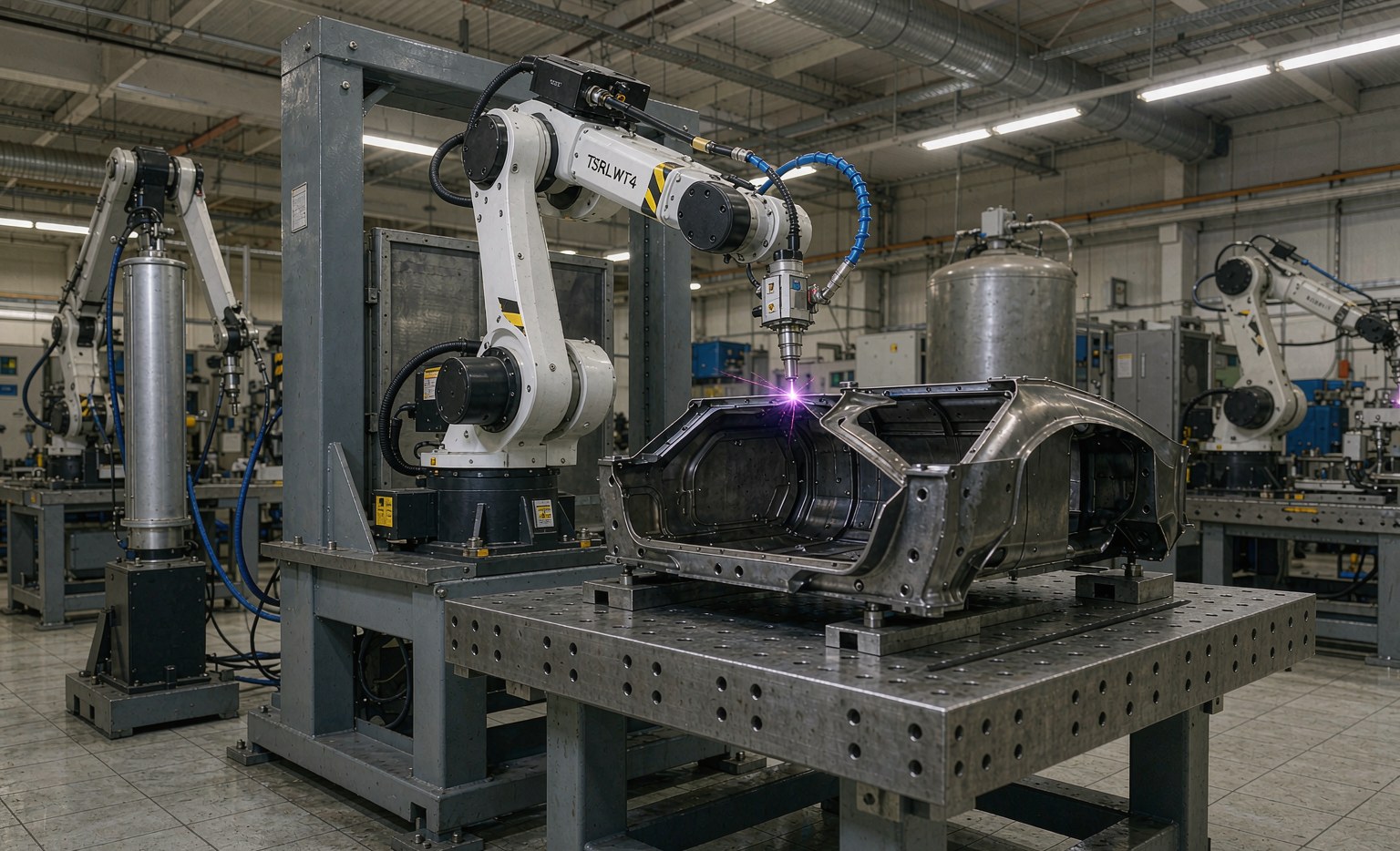
A laser cell (fiber source + robot + optics + fume extraction) costs more up front than a MIG welder, but the throughput and lack of filler-wire consumption narrow the gap on volume work. Laser also needs less post-cleaning because spatter is minimal, which saves labor on every part.
When to pick which
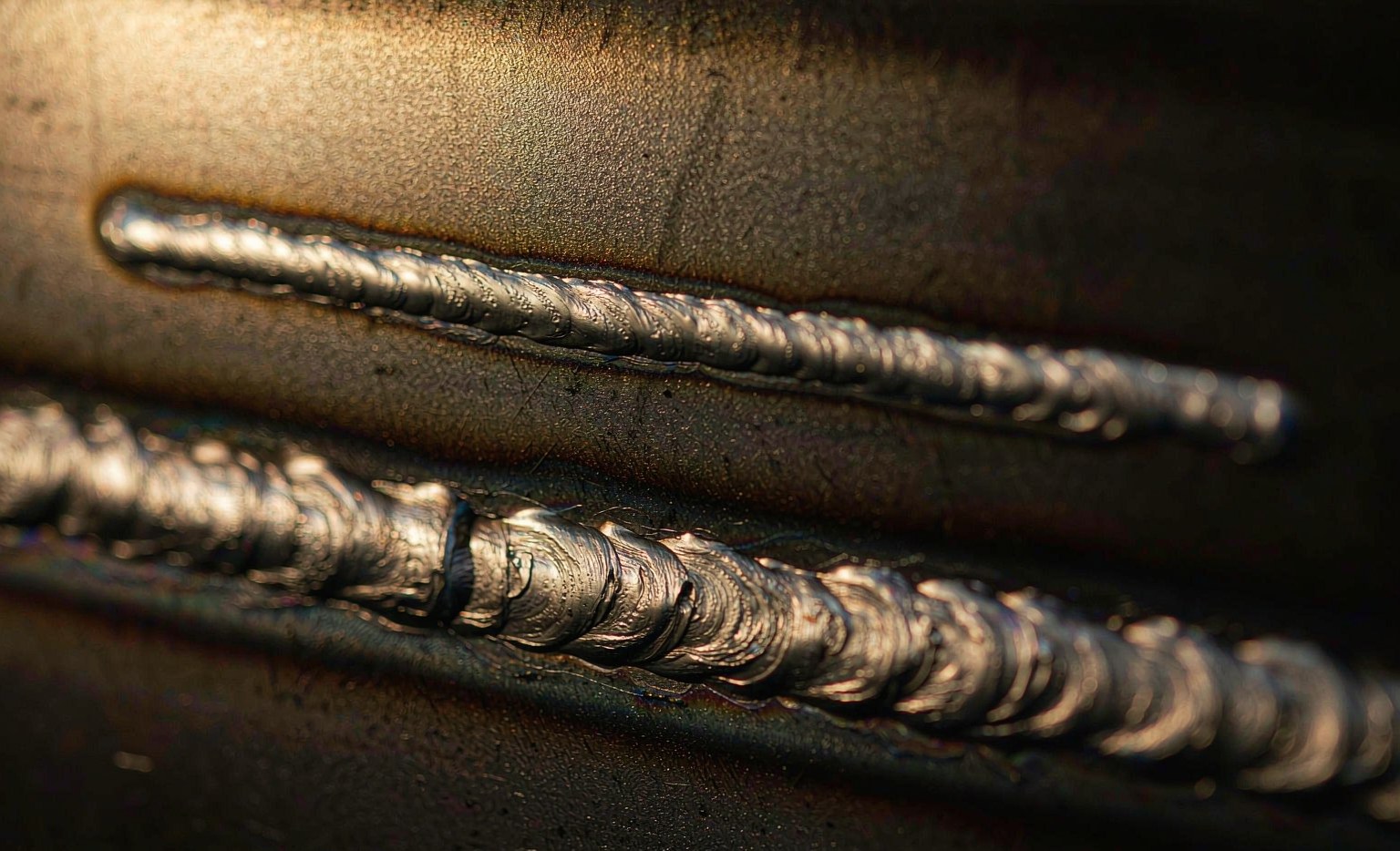
- Laser — thin sheet, high speed, low distortion, batteries, sensors, precision assemblies.
- MIG — thick sections, fillet welds, general fabrication where speed-of-setup beats weld speed.
- TIG — thin, high-quality root passes and exotic alloys where control matters more than rate.
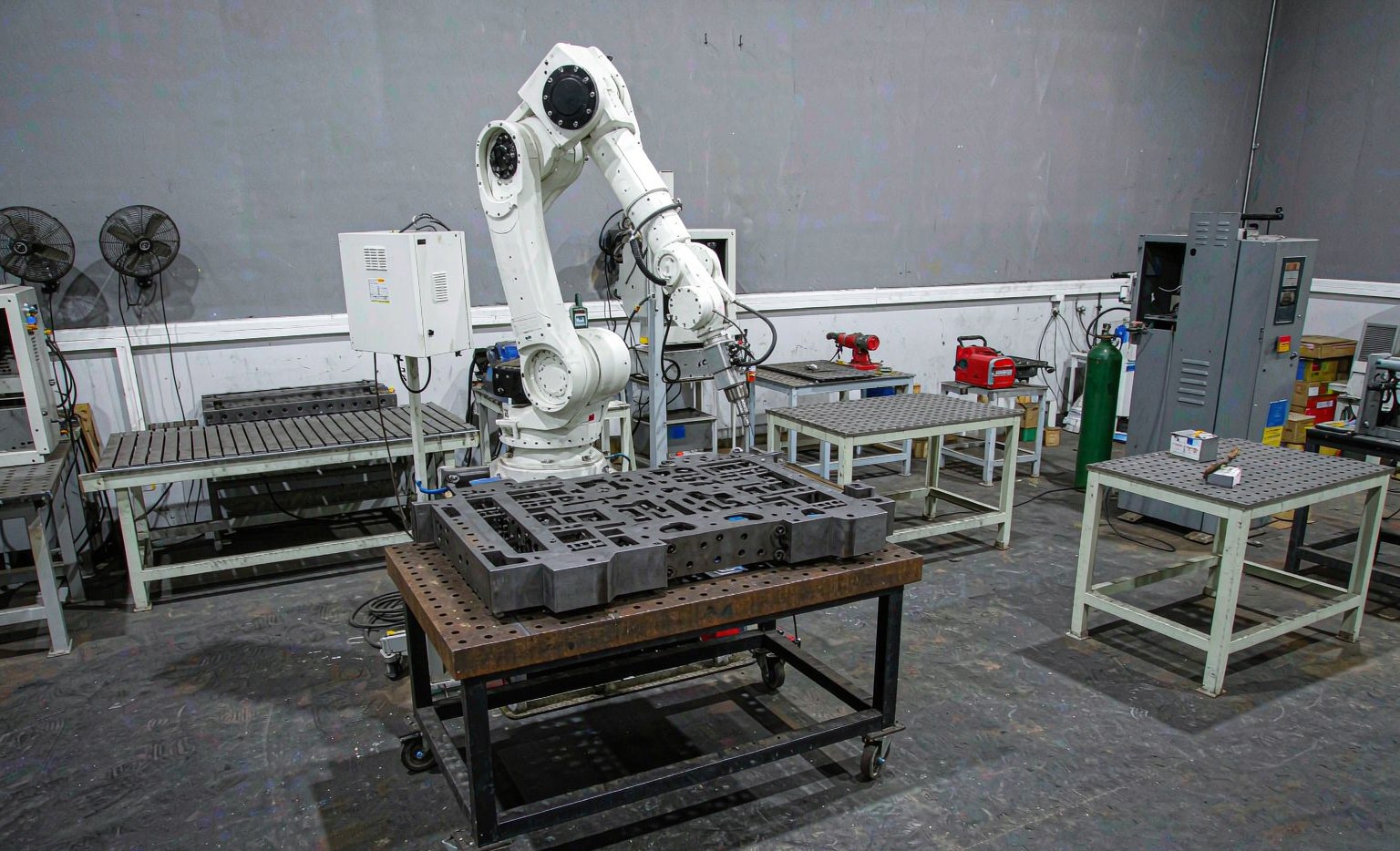
For a robotic production cell, laser welding is usually the right call when distortion, spatter and cycle time are the limiting factors — which they are in most modern sheet-metal joining.
FAQ
Does laser need filler wire? Often not on thin, tight joints; thick or gap-prone sections use wire for strength.
Can I retrofit a laser onto a MIG cell? Rarely — optics, safety enclosure and gas differ enough that it is effectively a new cell.
Which is most forgiving of poor fit-up? MIG, because filler fills gaps; laser and TIG punish gaps.
Is laser welding safe near operators? Only in an interlocked enclosure; the beam is an eye hazard at any distance.
What thickness suits laser best? Thin to medium sheet; very thick sections may need higher power or an arc process.
How do I compare running costs fairly? Include wire, gas, spatter cleanup and rework, not just the machine price.
Material suitability
Laser welds carbon and stainless steel, aluminum and titanium well when fit-up is tight and parameters are tuned; highly reflective copper needs care or a shorter wavelength. MIG covers the broadest material range and thickness, including dirty or coated steel, while TIG excels on thin, high-purity joints in stainless, titanium and exotic alloys where cleanliness and control matter most.
Automation suitability
All three can be automated, but laser is the easiest to robot because the torch path is simple and repeatable and the heat is controllable; arc processes need torch-angle and stick-out management and are more sensitive to fit-up. Laser also pairs naturally with scanner optics for remote welding, which multiplies throughput on small joints.
Safety and fume
Laser welding is an eye hazard and must run in an interlocked enclosure, while arc processes need shielding against UV and fume extraction. Arc fume is significant; laser generates a fine plume that needs capture. Both need extraction sized to the process, and both require operator training before the cell is released.