
Laser Welding Robotic solution for Impeller welding
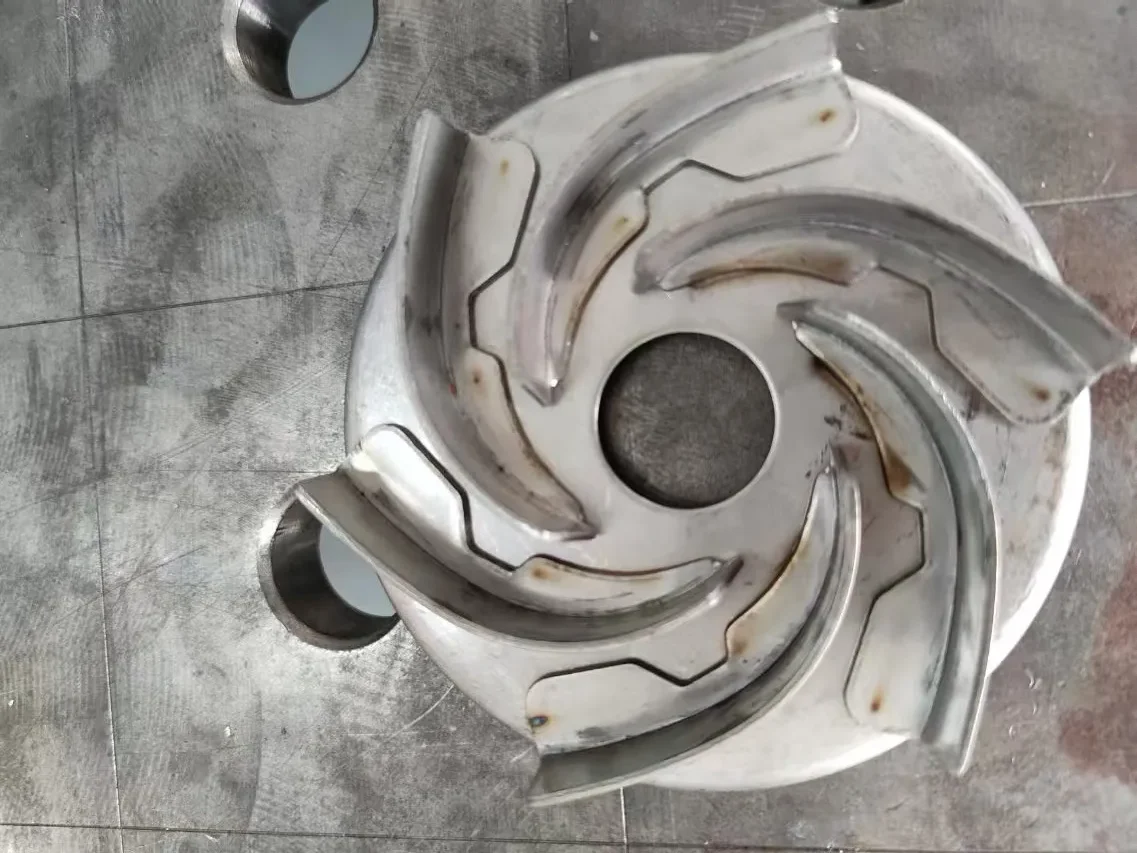
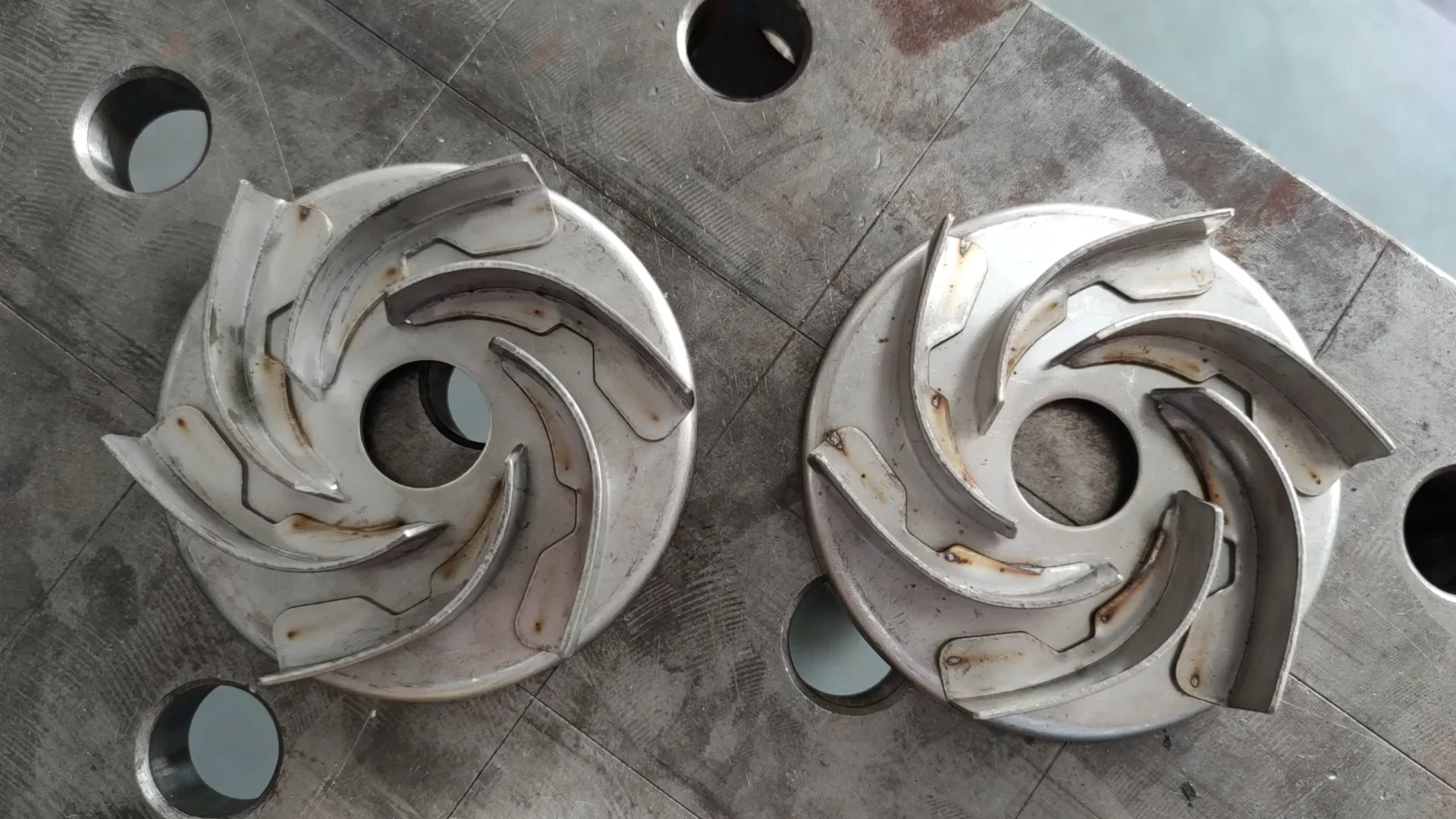
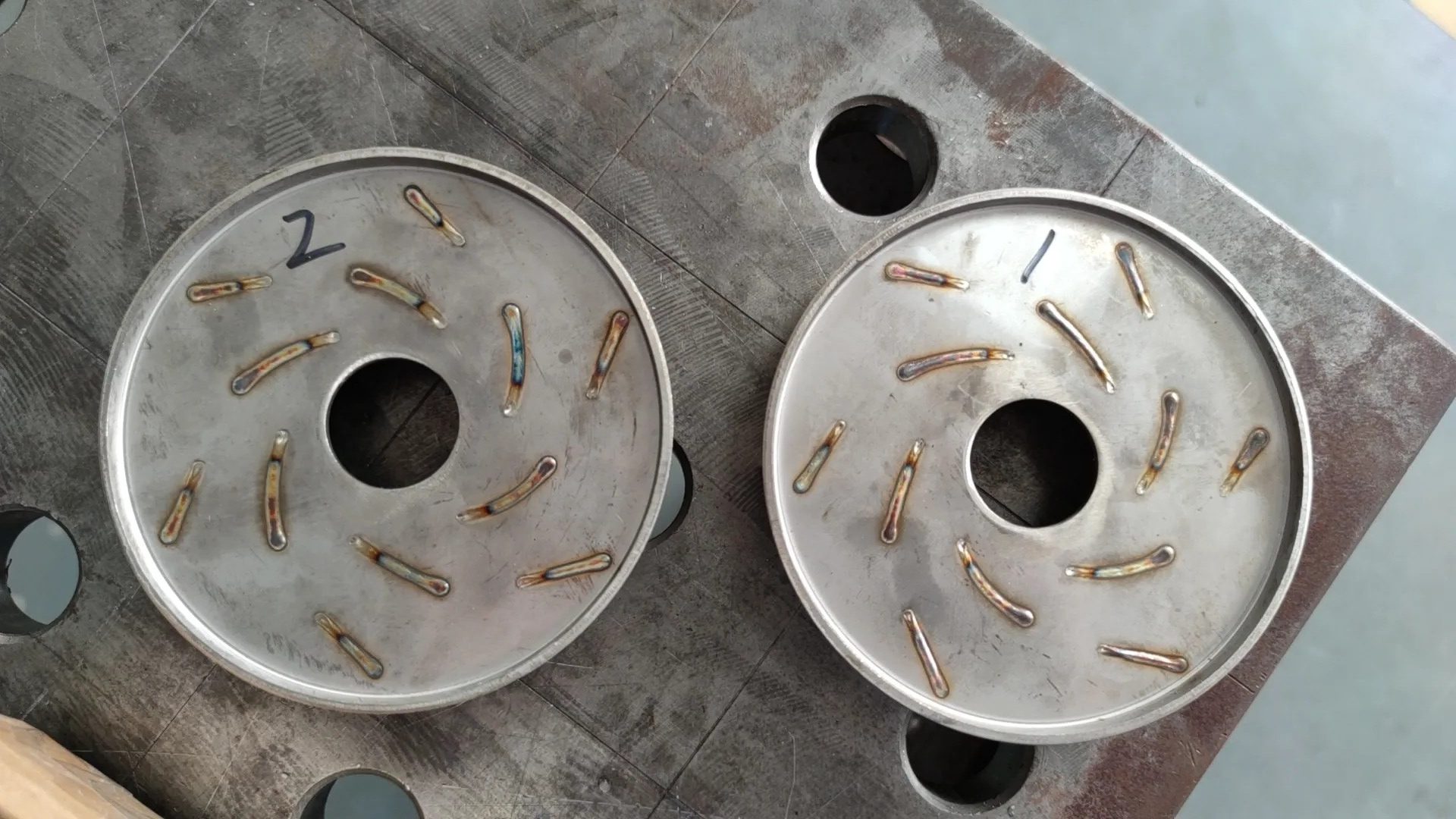
Laser Welding Robot solution for Impeller Welding
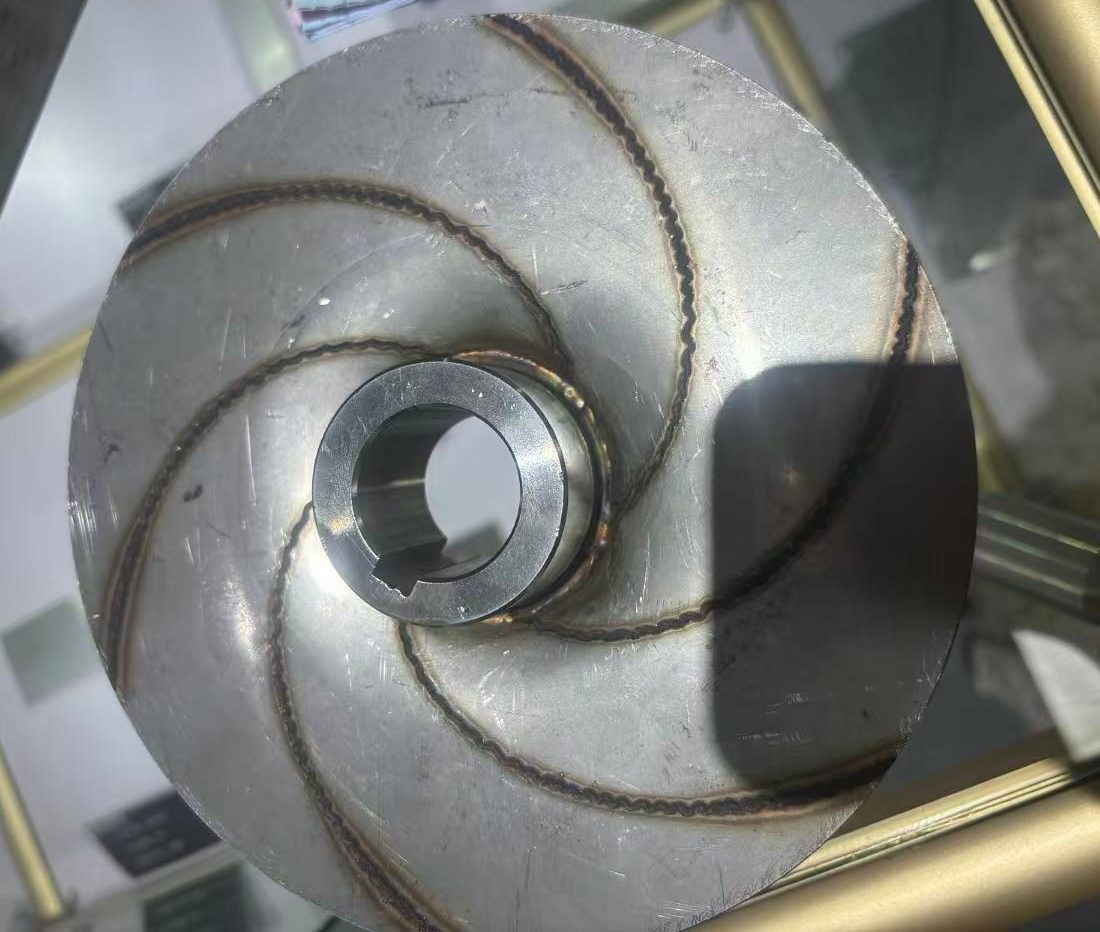
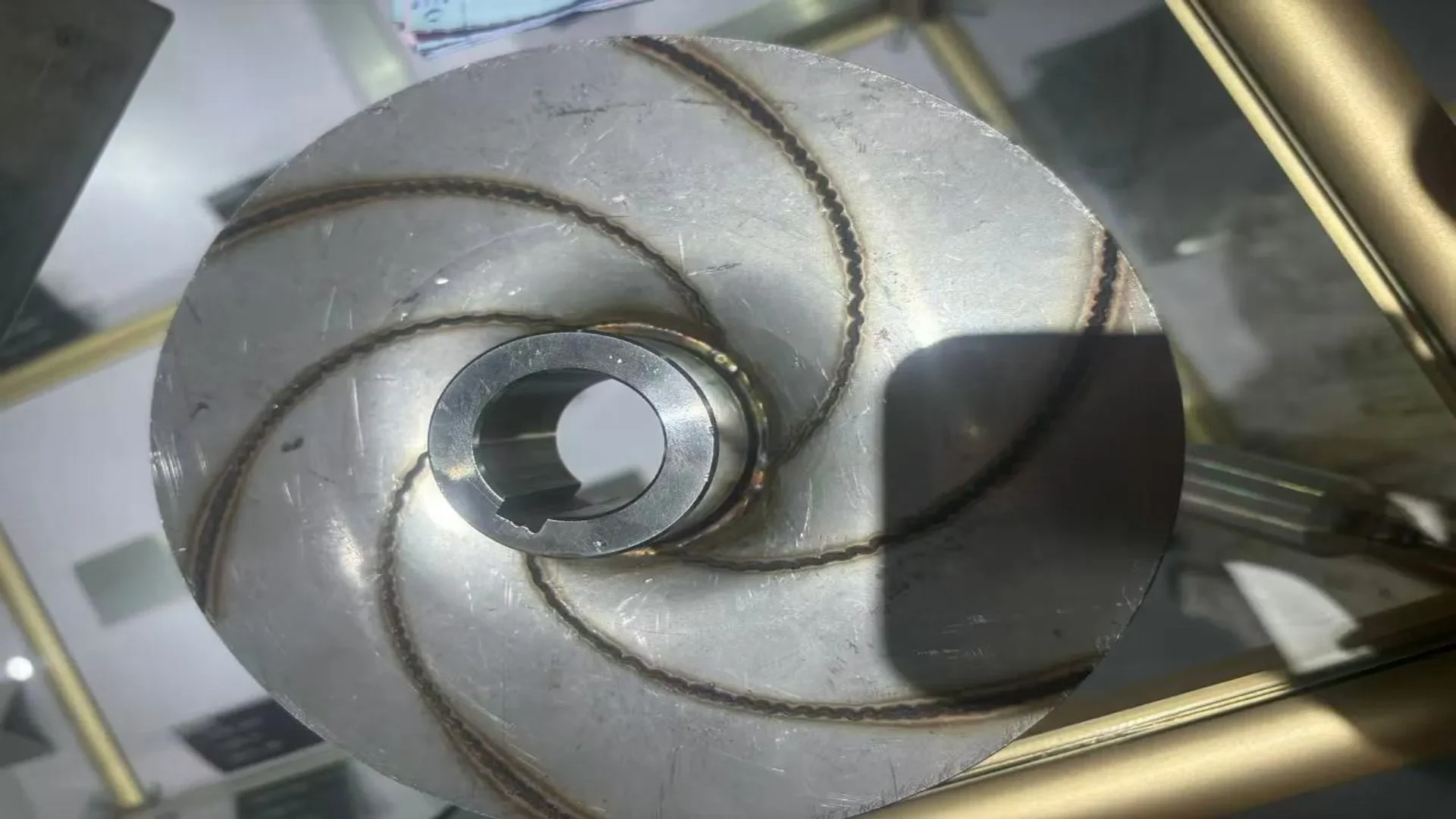
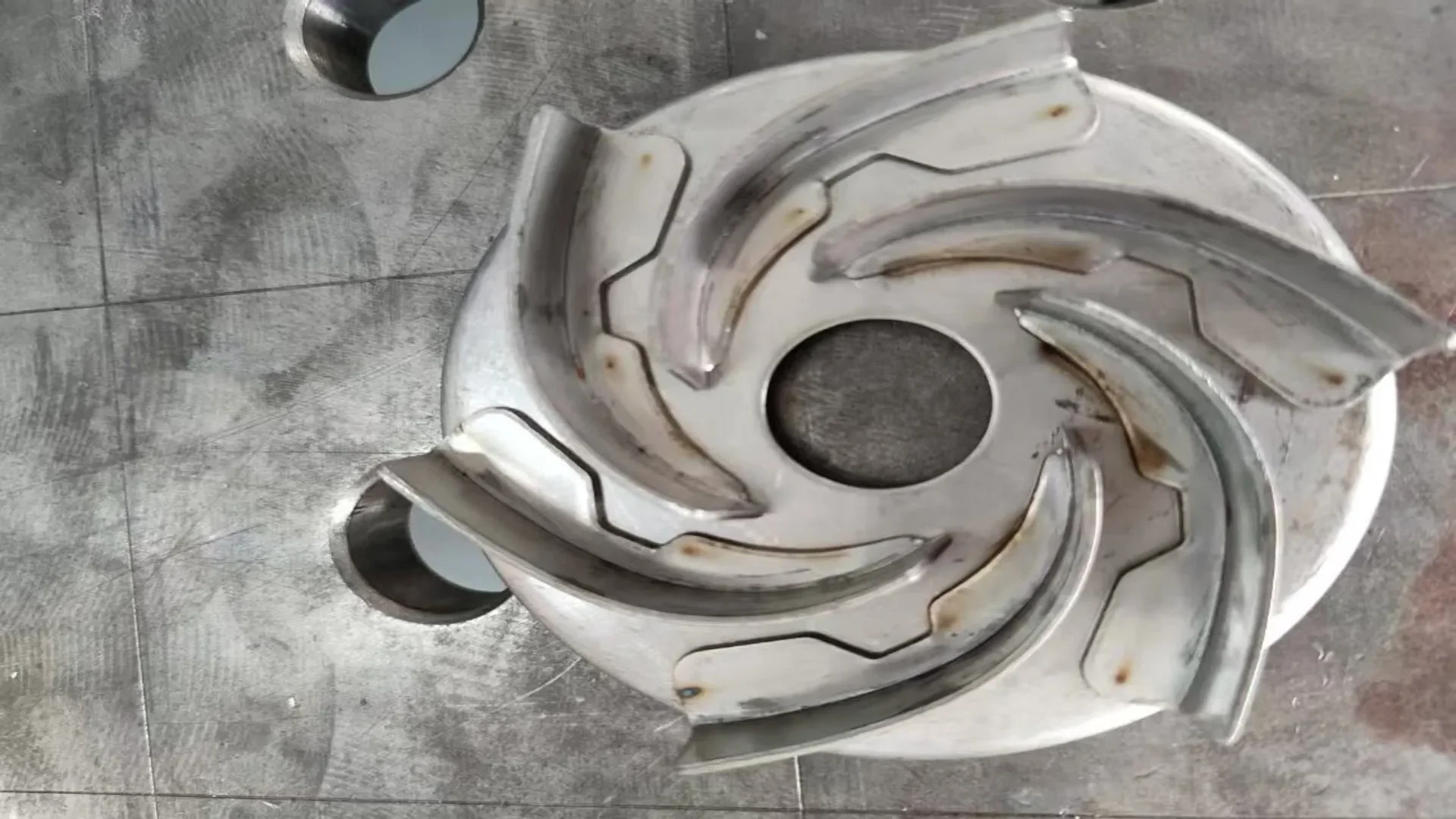
Why is Laser Welding Robot solution suitable for impeller product?
– Minimal Heat Distortion
Laser welding uses a focused heat beam, which reduces the heat-affected area, lowering the risk of impeller distortion during welding and ensuring proper function.
– High Precision
The laser beam can be precisely focused on the weld joint, allowing for accurate control and creating clean, consistent welds on complex impeller shapes.
– Small Heat-Affected Zone (HAZ)
The small HAZ around the weld minimizes material degradation and preserves the mechanical properties of the impeller material.
– High Welding Speed
Laser welding allows for rapid welding, making it efficient for high-volume impeller production.
– Ability to Weld Dissimilar Materials
Depending on the laser type, laser welding can join different metals used in impeller construction.
Our TrueSyn system features advantages as below:
– Safe and reliable
The system has the ability to resist interference such as arc light, smoke, splash, etc., to ensure stable work in harsh environments.
– Easy operation
We provide a user-friendly interface that requires no specialized professional welding robot operation experience, reducing the difficulty of operation.
High production efficiency:
The system automates and smartens the welding process, significantly reducing manual operations and improving production efficiency.
Impeller Welding: Why Lasers Fit Curved Blades
Impellers punish every conventional joining process. The geometry table explains why laser welding has become the default for high-grade impellers:
| Impeller feature | Welding difficulty | Laser advantage |
|---|---|---|
| Thin, curved blades (1–3 mm) | Distortion ruins the flow profile | Narrow heat-affected zone keeps blade shape |
| Tight blade-to-hub clearance | Torch access impossible | Remote and 3D-path welding reaches between blades |
| Balance requirement | Uneven welds cause vibration | Symmetric sequencing preserves mass distribution |
| Mixed alloys (stainless, bronze) | Cracking on some pairs | Controlled dilution with tuned parameters |
Weld sequencing is where impeller work is won: welding blades in a star pattern (opposite pairs alternating) spreads shrinkage symmetrically, while sequential welding around the hub accumulates stress into a visibly warped part. After welding, every impeller earns a spin test and a balance check — not because the process is unreliable, but because the part’s job is rotation, and vibration is the defect that hides until assembly. Tracking the seam on curved 3D paths is its own discipline; the techniques are in robotic laser seam tracking, and the robot-cell anatomy that hosts them in the laser welding robot guide. Reference: impellers and laser beam welding.
Materials and the Balance Report
Impeller material pairs set the welding window: stainless-to-stainless forgives, bronze demands dilution control, and aluminum demands heat-input discipline that borders on art. The parameter work belongs to the supplier’s trial, but the buyer’s leverage is the acceptance document: a spin test at service speed, a balance grade per ISO class, and penetration cross-sections from each blade position. The balance report deserves a note — it quantifies the sequencing discipline described above, and a good report shows correction masses under a few grams on a mid-size impeller. When a supplier hands over cross-sections, spin data and balance numbers without being asked twice, the relationship will probably survive the first difficult batch.
A final selection note: impeller programs justify cells with vision. Blade positions vary casting to casting, and a cell that locates each blade optically before welding holds the sequence plan through real-world variation — without vision, the fixture must carry that burden alone, and fixtures that precise cost more than the camera.


Submit Requirements
Technical Evaluation
Design & Production
Delivery & Support
Reliable After-Sales Service You Can Trust.
Our service team offers quick troubleshooting, remote assistance, on-site support, and lifetime technical guidance to keep your production stable and efficient.
Email Address
Company Address
Building 1, Wanli Science&Innovation Industrial Park, 104 National Road, Shangyu District, Shaoxing, Zhejiang, China,312300
Opening Hour
Monday to Friday: 9:00 AM to 7:00 PM Saturday to Sunday: 9:00 AM to 5:00 PM
Get in Touch
Tell us your needs — we’ll reply soon.