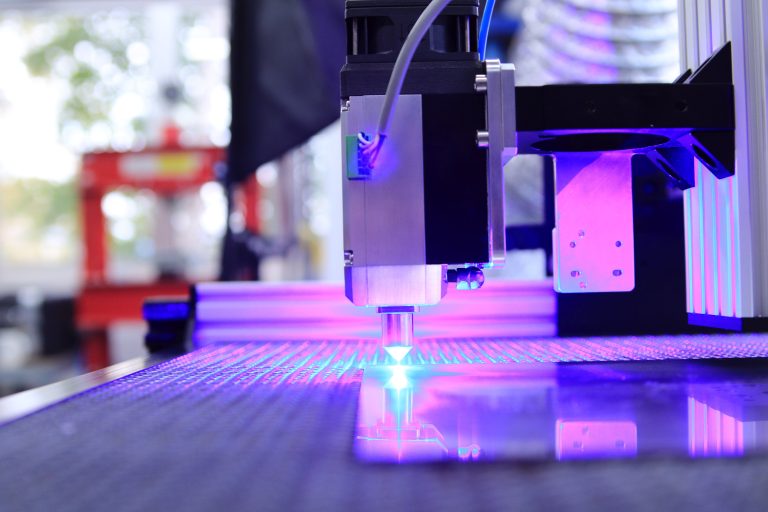
19/Company News
Laser Welding Joint Design and Fit-Up Tolerance: A Designer’s Guide
How joint geometry, root gap consistency and seam tracking decide whether a laser weld succeeds - with real tolerance figures from production case work.

How joint geometry, root gap consistency and seam tracking decide whether a laser weld succeeds - with real tolerance figures from production case work.
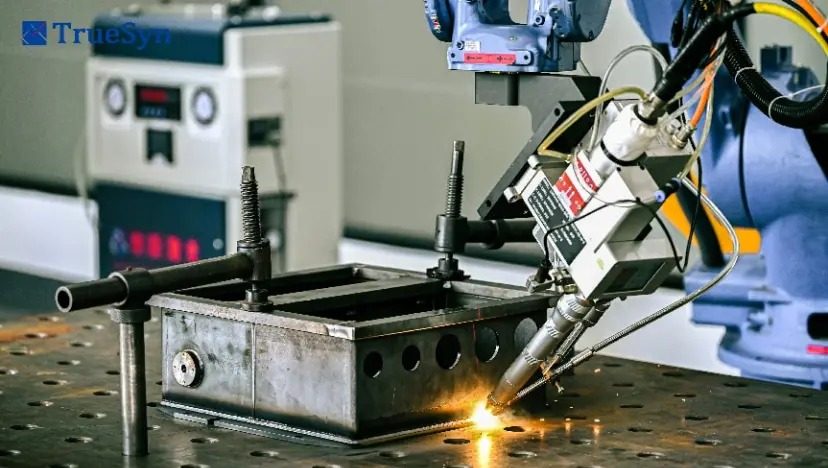
For many years, laser welding was considered an advanced manufacturing technology reserved mainly for high-end industries and large manufacturers.Today, that is changing.Laser welding has become more accessible, more...
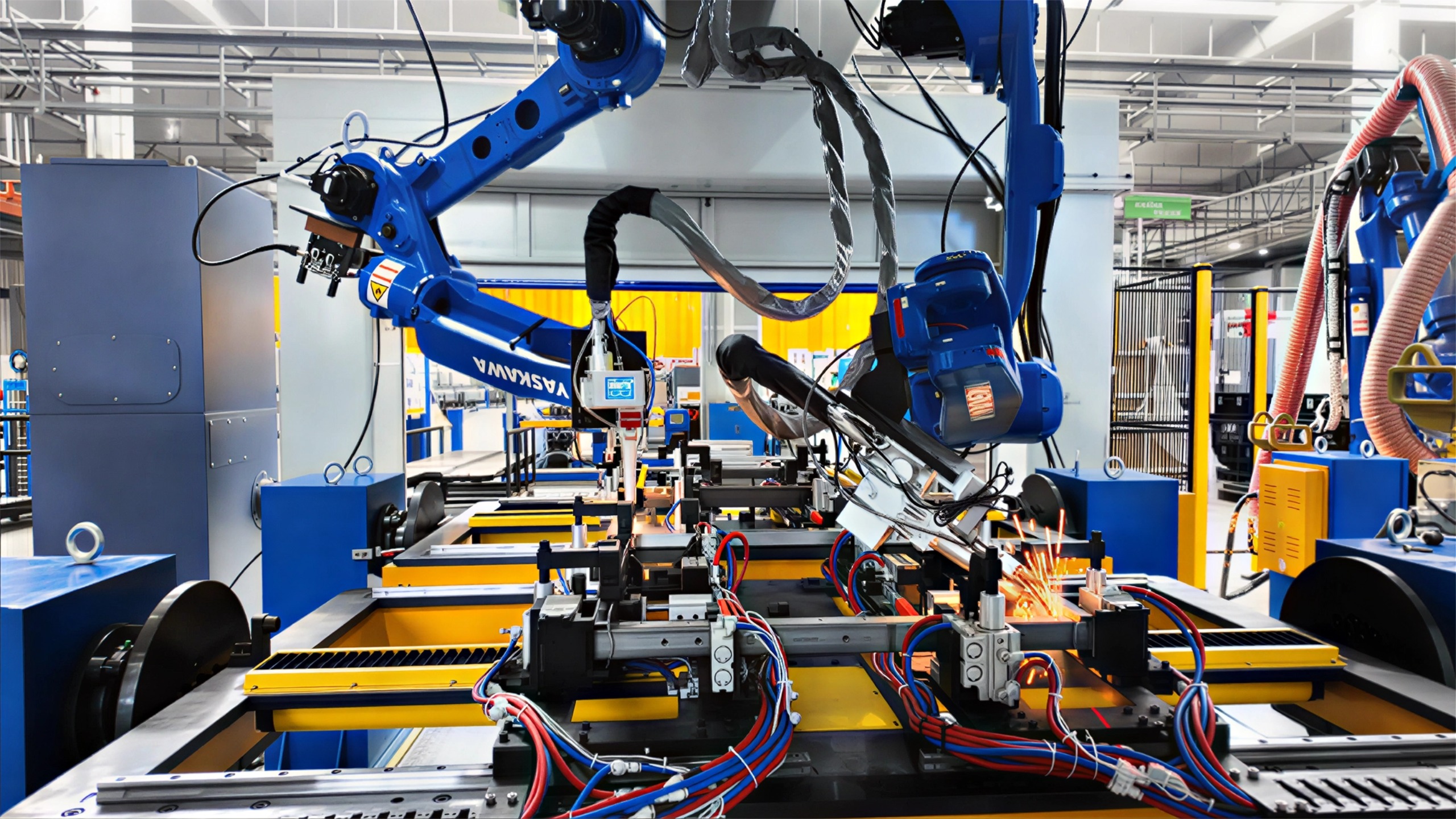
1. Choosing the Right Laser Source The right laser source should be selected based on:Material typeMaterial thicknessJoint designRequired penetrationThe laser source is one of the most important components...
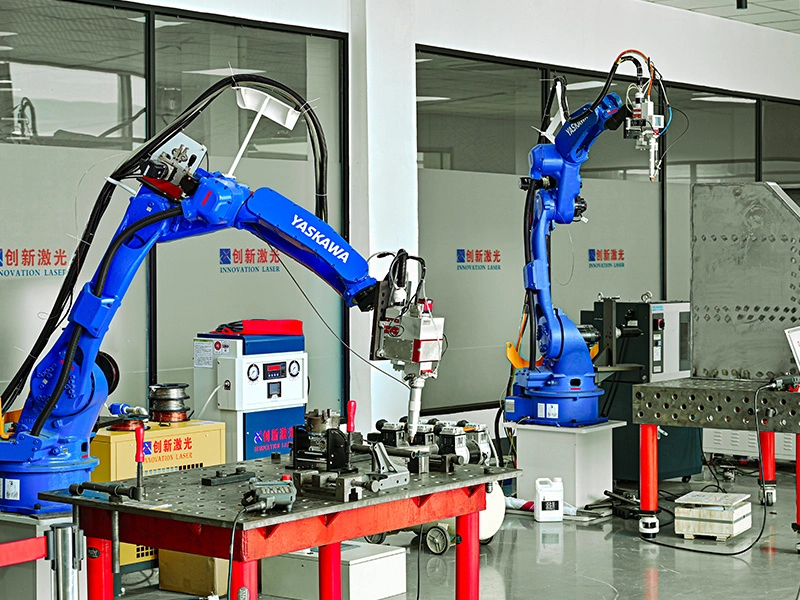
When looking for a laser welding machine supplier in China, many manufacturers compare different suppliers based on price, equipment configuration and technical capability.However, choosing a reliable supplier is...
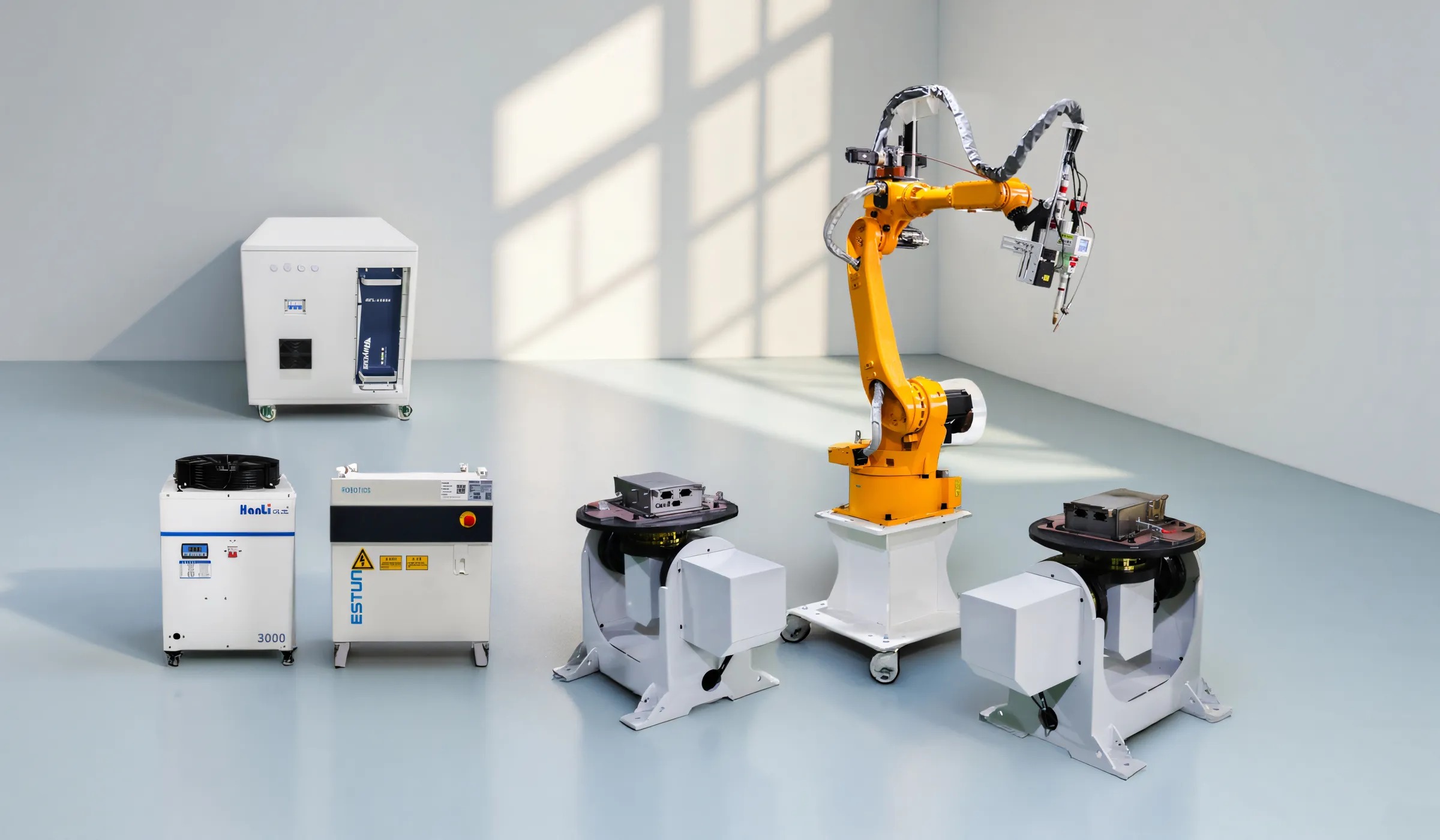
When choosing a laser welding system, one question often comes up: CO2 laser or fiber laser?Both technologies use laser energy for welding, but they are different in terms...
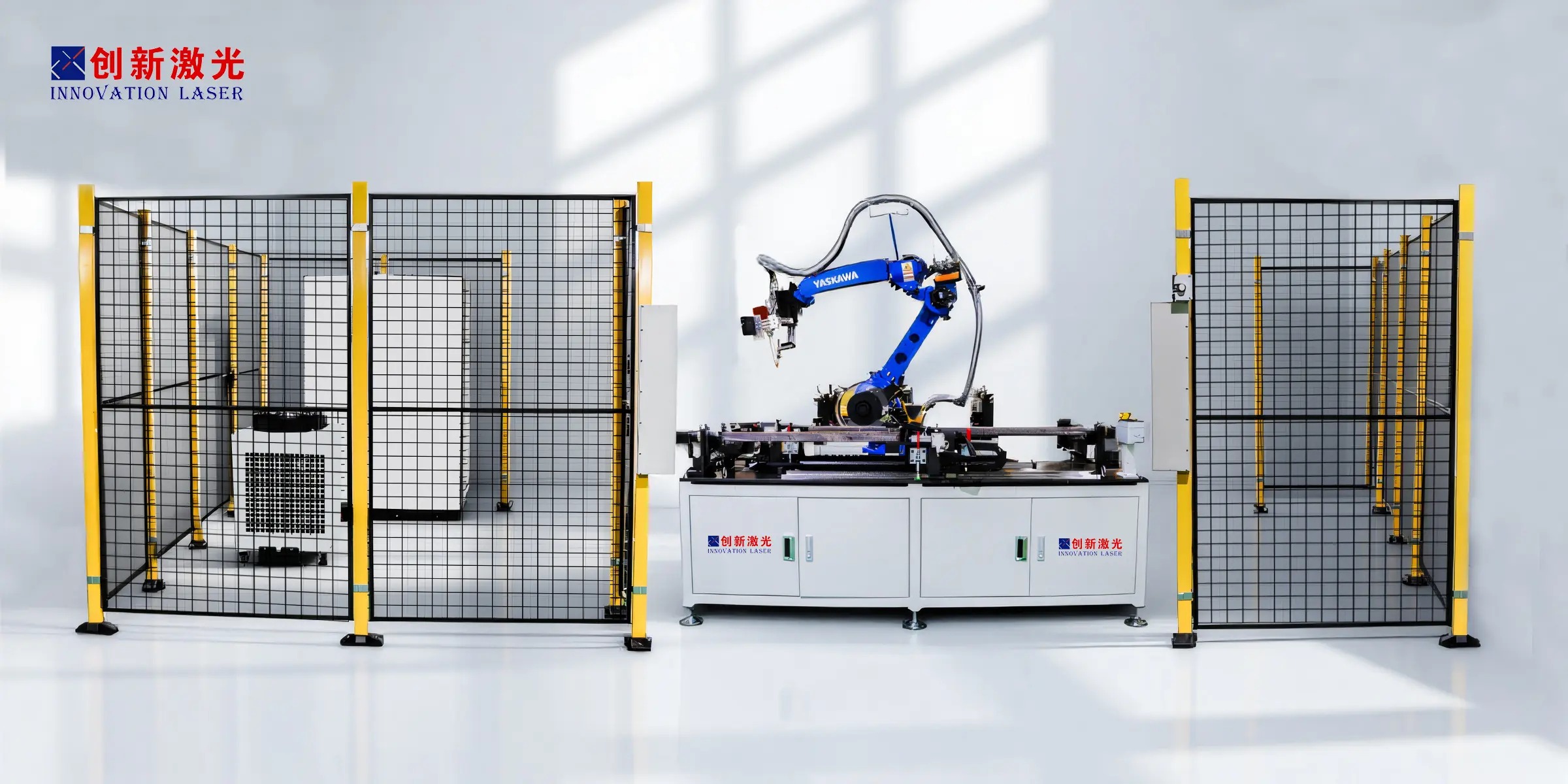
Metal fabrication companies are constantly looking for ways to improve welding quality, increase production efficiency and reduce dependence on skilled labor.Traditional welding methods such as MIG and TIG...
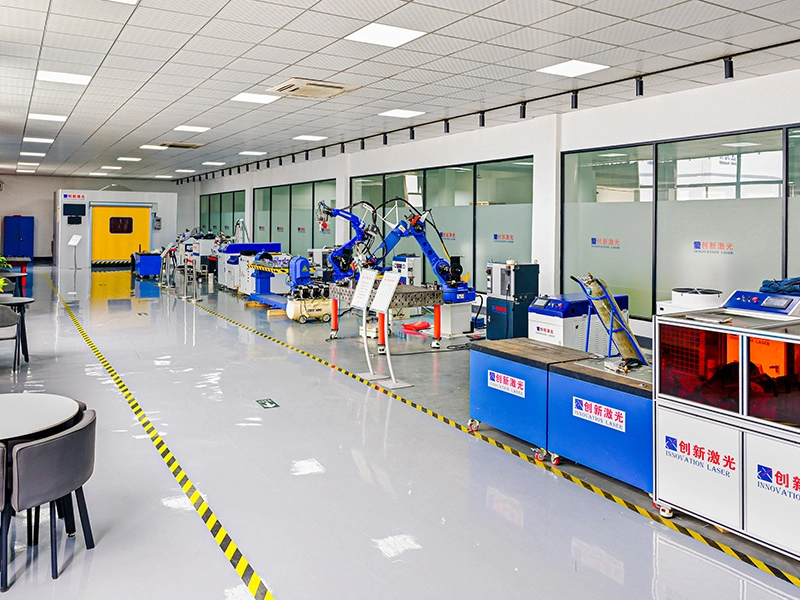
Choosing the right laser welding solution depends on your product, material, production requirements, and welding goals.Today, manufacturers can choose between handheld laser welding machines and robotic laser welding...
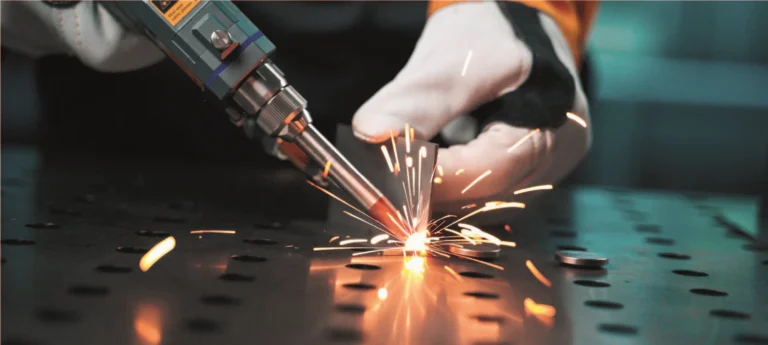
Choosing by Material, Thickness and Volume The right laser welding solution is decided by three inputs: what you weld, how thick, and how many per shift. The table...
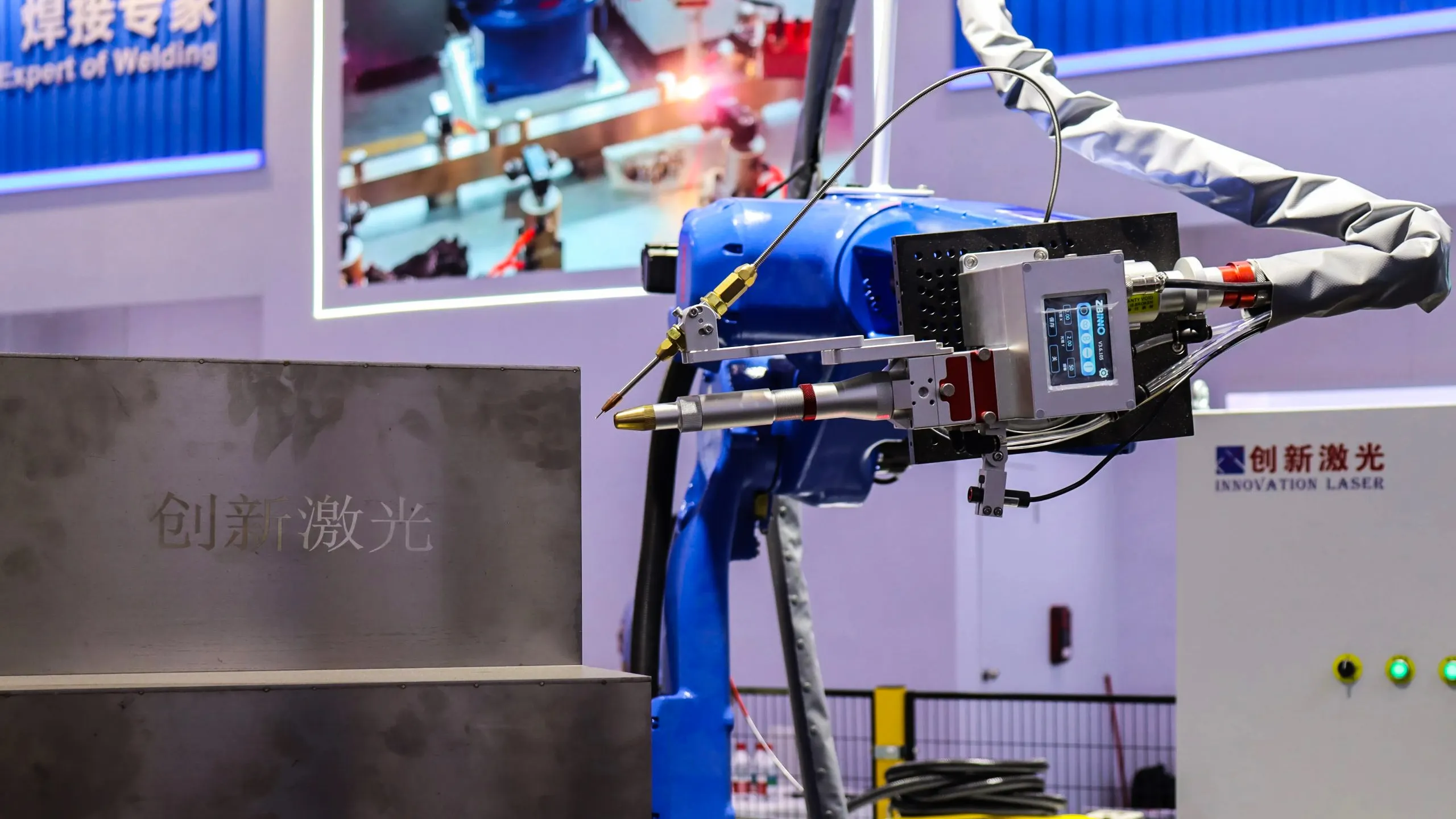
When manufacturers consider investing in a laser welding robot, cost is often one of the first questions.The cost of an industrial laser welding robot depends on the system...