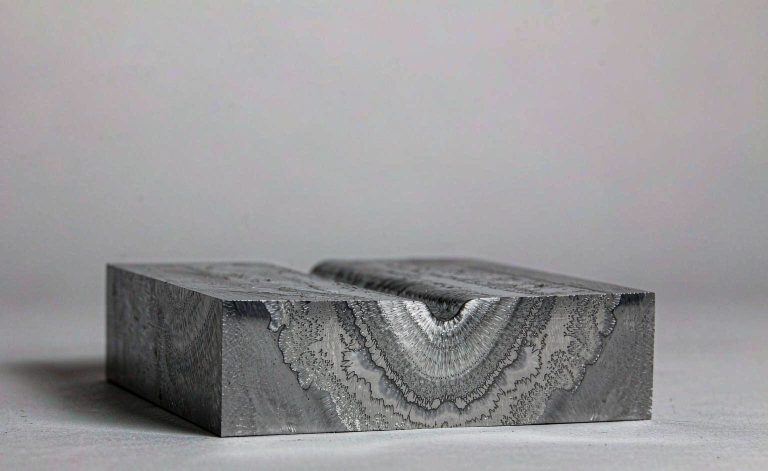
How to Verify Laser Weld Quality: Macro Etch, Penetrant and Destructive Testing
Weld quality cannot be judged by appearance. This guide covers the verification methods that reveal what a laser weld actually is, what each detects, and how to set...
Home » Welding
Weld quality cannot be judged by appearance. This guide covers the verification methods that reveal what a laser weld actually is, what each detects, and how to set...
Robot Welding Repeatability: Measure Part, Fixture and Process Variation explains how buyers can define a robot-welding process assessed for repeatable torch path, joint quality and cycle across a...
Welding Cobot: Check Torch, Positioning and Operator Workflow explains how buyers can define a collaborative welding setup for a defined joint, torch package, work position and production task,...
The laser source is the component that determines output quality and lifetime. This guide compares the common source options on what actually matters, and shows the questions to...
Automated Welding Equipment: Set Joint, Utilities and Trial Criteria explains how buyers can define an automated welding equipment package for a defined material, joint, production rate and plant...
Automated Welding Systems: Map Stations, Part Mix and Handoffs explains how buyers can define an automated welding system designed around a defined family of parts and production sequence,...
Programming cost is the line item that scales with your part count, not your machine count. Estimating it properly changes how many variants a cell can economically carry.
Reach is a datasheet radius; what decides whether a seam gets welded is how the part is presented inside that radius. A short study settles it.
Changeover is the hidden tax on a multi-part cell. Quick-change fixtures and pallet systems turn hours of re-fixturing and re-teaching into minutes.