
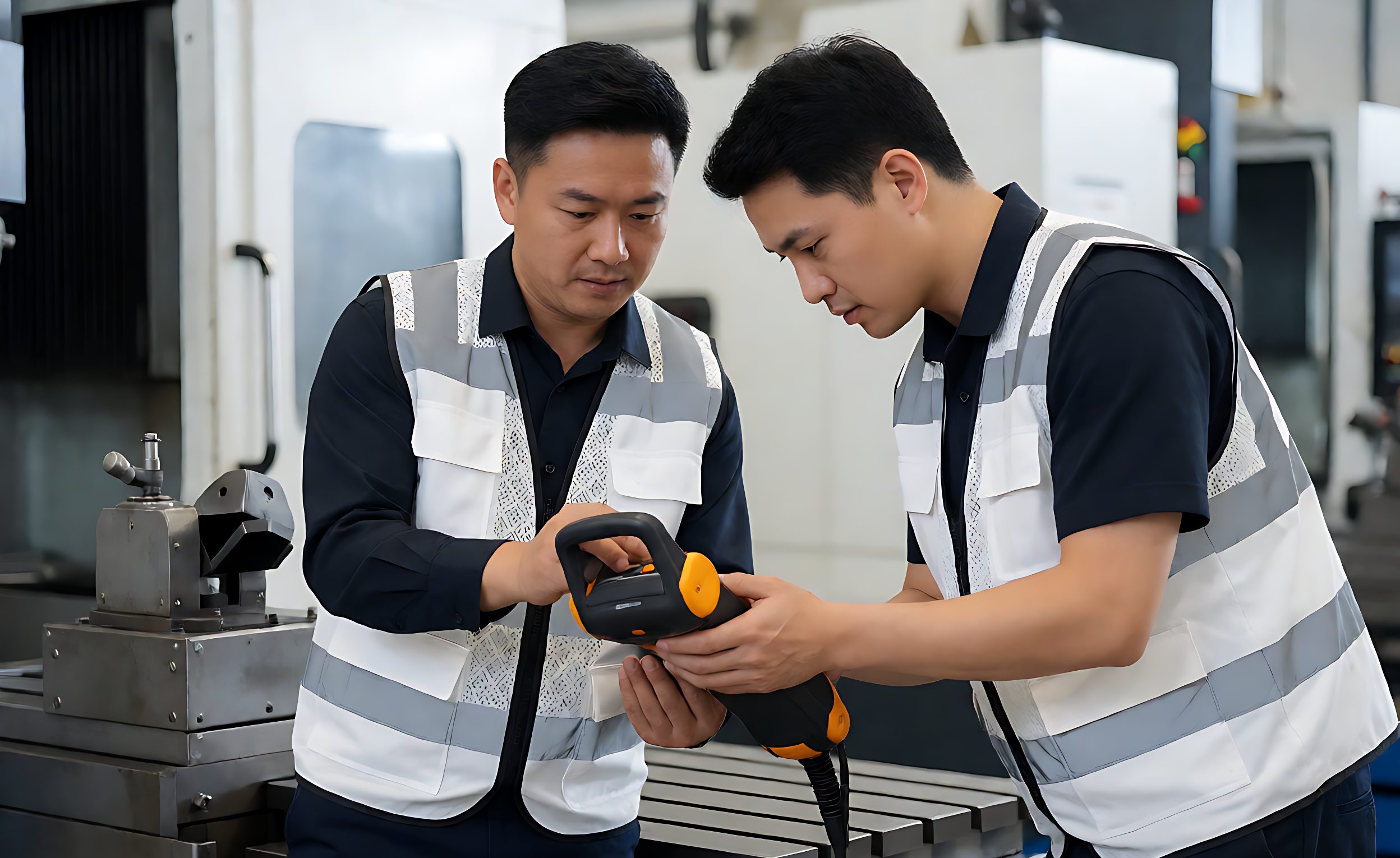
Программа обучения и сертификации операторов лазерной сварки
A robotic welding cell automates the weld, not the judgment around it. Someone still decides whether the part was fixtured correctly, whether the first weld looks right, whether the alarm that just tripped is routine or the beginning of an outage. The quality of those decisions depends on training, and training that happens informally produces operators who know one machine in one state and falter the first time something changes.
A structured plan fixes this at modest cost. The plan below divides competence into four stages, defines what each certifies, and builds in the refreshers that keep the certification meaningful after year one.
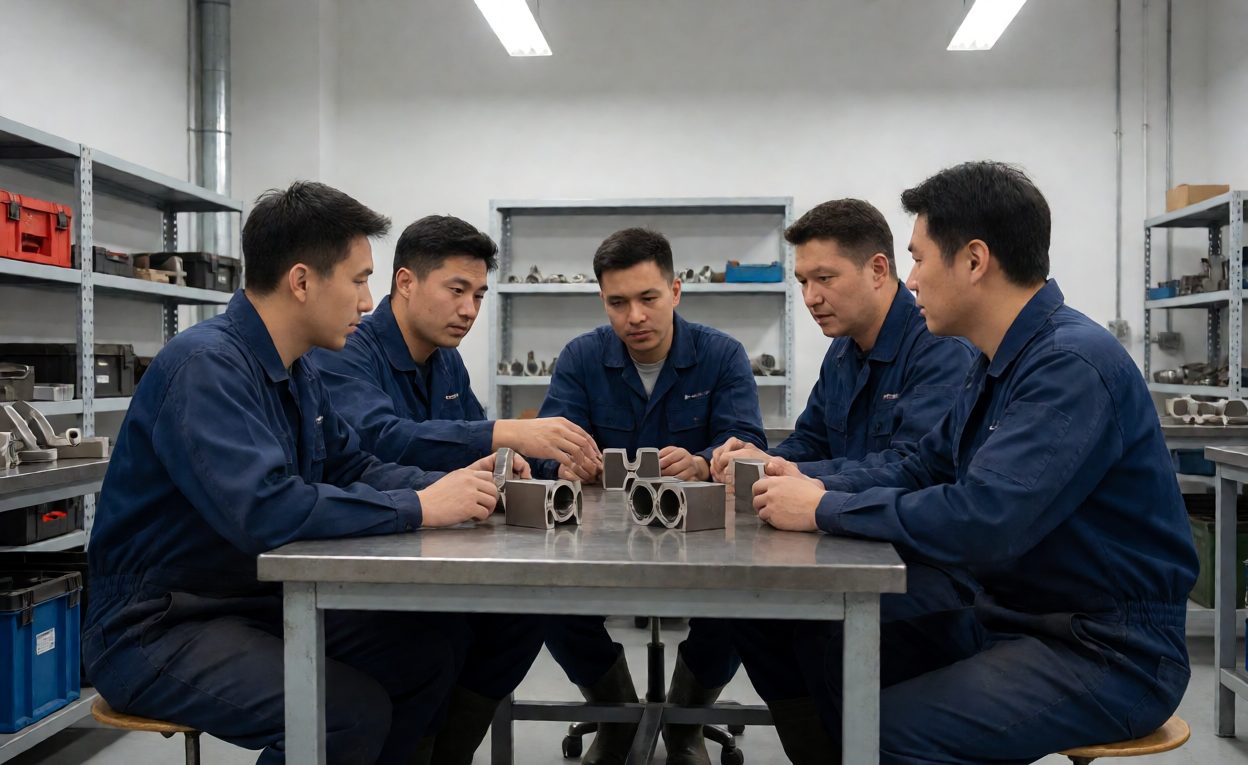
Stage One: Safety and Authorization
Nothing else happens until this is complete. Laser welding cells are Class 4 laser installations, and the operator’s first lesson is the discipline the enclosure and interlocks assume: never defeat an interlock, understand what the entry procedure is protecting, know where the emergency stops are, and know what to do – and not do – if a beam path is exposed. The руководство по технике безопасности при лазерной сварке sets out the site-level rules; the cell-specific induction covers the specific interlocks, viewing windows and enclosure zones of this machine.
- Laser hazard basics: why Class 4 radiation damages eyes and skin, and why the viewing window is rated for the wavelength in use.
- Enclosure discipline: entry procedure, key control, and the rule that nobody works around an open cell while it is energized.
- Fume and fire response: extraction checks, extinguisher locations and the hot-work realities of a process that produces sparks.
- Personal protective equipment: what the operator wears, what is optional, and why.
Authorization is documented, signed by the safety officer, and recorded with a date – personal protective equipment rules and local laser safety law both assume documented competence, and the record is what an auditor or insurer asks for first.
Stage Two: Daily Operation
The second stage covers everything a normal day touches. Load and fixture the part, call the program, run the verification routine, start production, watch the process, log the counters. It sounds trivial until the exceptions arrive: a part that does not seat, a weld that suddenly spatters, a gas flow warning. Stage two trains the routine and teaches the operator which exceptions are theirs to resolve and which to escalate.
выше weld quality verification methods belong in this stage, because operators who understand what a good weld looks like in cross-section make better real-time judgments about surface signals. The certification test here is practical: run a full production sequence unsupervised, respond correctly to three planted faults, and complete the shift log without prompting.
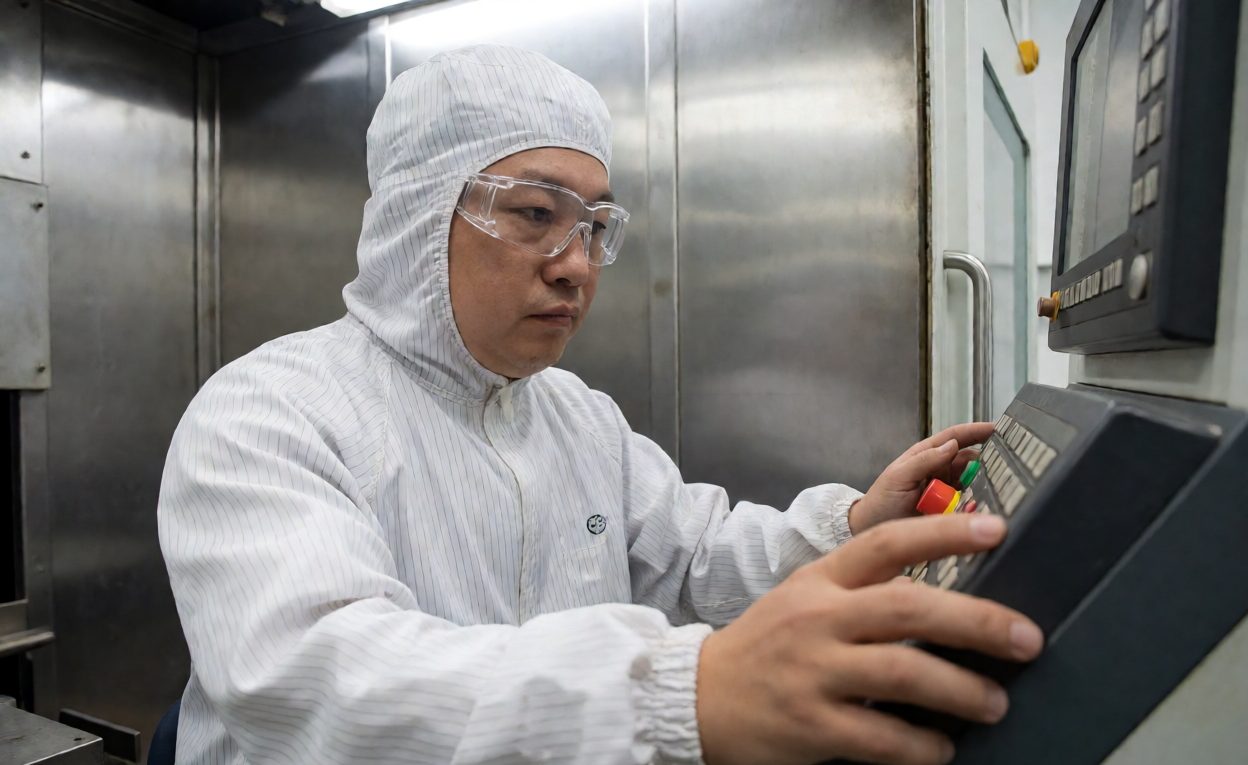
Stage Three: Process Judgment
The third stage is what separates an operator from a button-presser. It covers parameter relationships – how power, speed, focus position and gas flow trade against penetration and porosity – well enough that the operator can recognize drift and describe it precisely to an engineer. Not every operator needs to tune the process; every operator needs to recognize when it needs tuning and say so in terms the engineer can act on.
- Reading the process: plasma color, spatter pattern and seam appearance as indicators of focus drift or gas problems.
- Consumable awareness: when a protective window or nozzle is past its useful life, and why pushing through costs more than replacing.
- Escalation discipline: what information to capture before calling for help, so the first response is informed rather than exploratory.
Competence at this stage is verified by scenario: the operator is presented with symptoms rather than labeled faults, and their diagnosis path is assessed against a written rubric.
Stage Four: Programming and Recovery
One or two people per cell – not everyone – advance to stage four: program edits, teach corrections for small fit-up variation, alarm recovery beyond the routine list, and first-line maintenance such as window changes and calibration checks. The programming and teaching cost discussion explains why this tier matters: every small correction that waits for an integrator visit costs a day of production, while a trained in-house person clears it in minutes. Depth here also depends on the platform – teams running a particular brand benefit from the brand-specific integration knowledge that platform training provides, and generic robot training does not substitute for it.
Certification at stage four should include a supervised recovery from a simulated crash: re-reference the axes, verify the fixture, run the verification routine, and document what happened. Apprenticeship models got this right for a century – competence under supervision, verified before it is relied on.
Keeping Certification Alive
Certifications decay quietly. The plan needs three maintenance mechanisms: a scheduled refresher at six and twelve months covering safety and any procedure changes; re-certification after any significant hardware or software change; and periodic observation, where a supervisor watches a real shift against a short checklist and signs it. Gaps found in observation are training feedback, not discipline – that framing keeps operators honest about what they do not know.
Finally, train to a written standard rather than a trainer’s habit, because the standard is what survives staff turnover. Professional certification frameworks exist for welding personnel in general, and while robotic cell operation is newer territory, the same logic applies: a defined body of knowledge, a defined assessment, and a record. Cells equipped with manual backup stations add a nuance covered in the handheld versus robotic comparison – operators certified on both need separate authorization for each, because the hazard profile differs. For teams building out the whole cell organization alongside training, the robotic welding cell overview frames where staffing fits into the wider picture.

Часто задаваемые вопросы
How long does operator training take?
Safety and daily operation take one to two weeks. Process judgment develops over months; programming and recovery adds several more for the one or two people who go that far.
Who should be trained?
Every person who runs, loads or approaches the cell, in stages appropriate to their role. Programming-level training is for one or two designated people per cell.
What does certification cover?
Each stage certifies a defined scope: safety authorization, unsupervised daily operation, process judgment, and programming with fault recovery.
Is refresher training really necessary?
Yes. Procedures drift, hardware changes and habits replace knowledge. Six- and twelve-month refreshers keep the certification honest.
Can operators program the robot?
Designated ones, after stage four training. Small teach corrections done in-house save days of integrator visits per year.
What safety training is mandatory?
Class 4 laser hazard awareness, enclosure and interlock discipline, fume and fire response, and documented authorization before any unsupervised access.
How is competence verified?
Practically: unsupervised production runs, planted-fault response, scenario diagnosis and a simulated crash recovery, each assessed against a written checklist.