

Программирование и обучение сварочного робота: сколько стоит программа каждой детали
Programming is the cost line that scales with part count rather than machine count, and it is the one most often estimated optimistically. A cell is sold as capable of running many variants; the economics of actually teaching those variants are a separate matter. Buyers with a hundred part numbers and a budget based on ten discover the difference during commissioning.
The useful exercise is to establish a cost per part programme, because that number determines how many variants a cell can carry economically and whether offline programming is worth the investment.
What Actually Consumes Teaching Hours
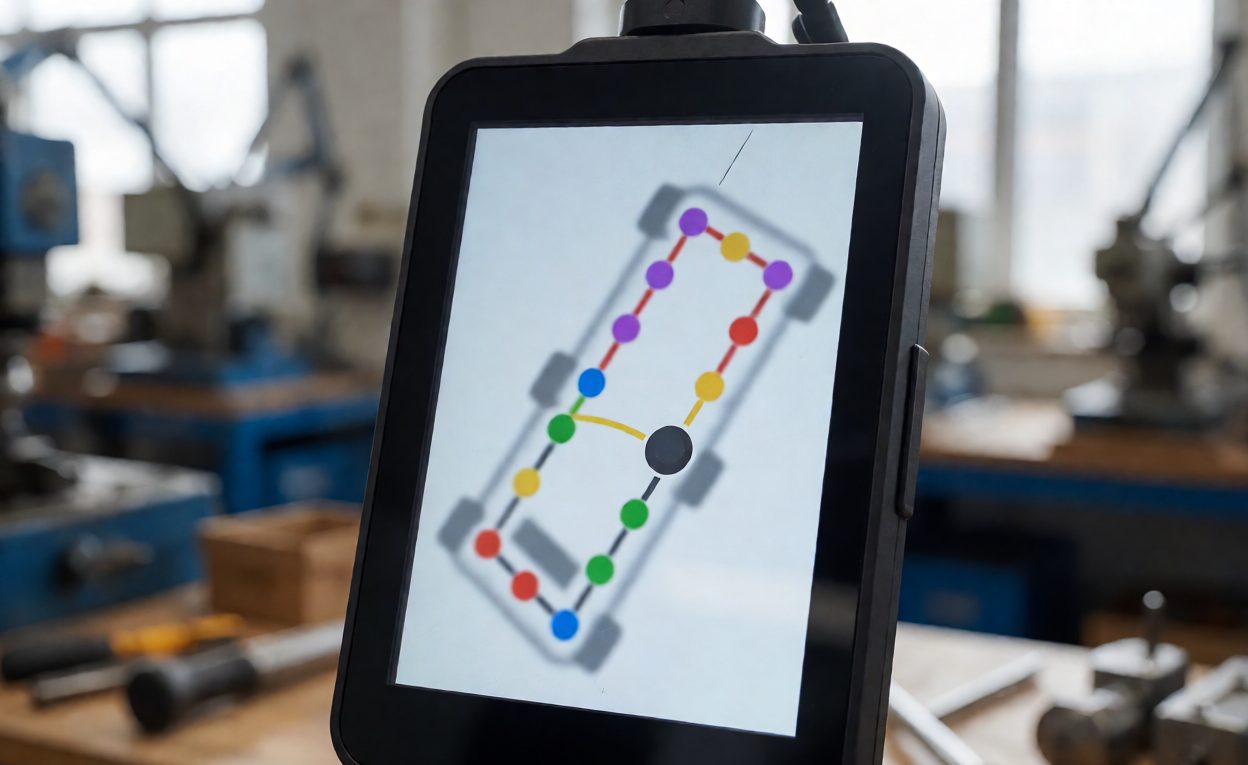
Teaching time is dominated by three activities, and only the first is what people imagine when they hear “programming”.
- Path teaching: moving the robot through the weld path and recording points. On a simple part this is hours; on a complex 3D seam it is days.
- Parameter development: getting power, speed, focus, gas and wire settings to produce an acceptable weld. This is usually the larger share and is where experience shows.
- Proving and correction: running parts, measuring, adjusting. Includes the iterations caused by part variation rather than programme error.
Part variation is the multiplier. A programme written for parts with consistent fit-up needs few corrections; the same geometry with variable fit-up needs seam tracking, more proving time, and more rework during ramp-up. The relationship between tolerance and effort is explained in the joint design and fit-up guide – the tighter and more consistent the incoming part, the cheaper the programme.
Estimating Cost Per Part Programme
Estimate by part family rather than by individual part number, because families share most of their teaching effort.

- Simple 2D seam, consistent parts: the low end. Path teaching dominates and parameter development is quick.
- 3D contour or multiple seams: substantially more path points and more proving.
- Variable fit-up: add tracking setup and a larger proving allowance.
- Dissimilar materials or thickness transitions: parameter development dominates, and the first programme in the family carries most of the cost.
Multiply hours by the applicable rate – whether that is a supplier engineer’s day rate or an internal programmer’s cost – and multiply by part numbers per family. The result is a programming budget that survives contact with a real part list. Where the cell will run many variants, this figure can rival the cost of an additional positioner, which is worth knowing before the configuration is fixed.
Reducing Programming Cost Over the Cell’s Life
Four choices have a durable effect, and all are cheaper to make at specification time than later.
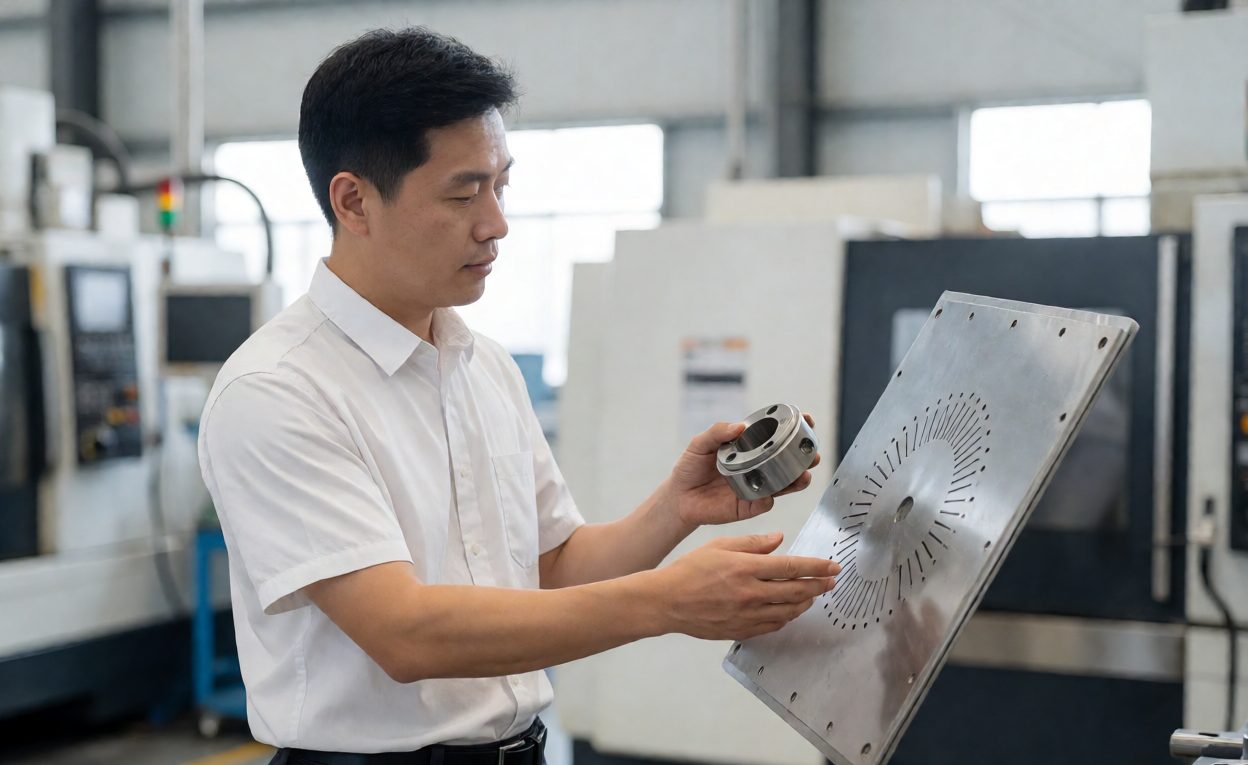
- Внепромышленное программирование: teaching in simulation while the cell produces. Pays back when variants are numerous and changeovers frequent.
- Parametric or template programmes: a family template with variables beats a library of independent programmes for maintenance and consistency.
- Слежение за швом: reduces the correction burden caused by variation. The trade-off is hardware cost against programming and rework hours – see the seam tracking article.
- Consistent datum and tooling: if every fixture locates parts the same way, programmes transfer between fixtures with minimal rework. This is a tooling decision, described in the tooling scope article, and it has a direct effect on programming hours.
Who Should Program, and What Should Be Handed Over
Two arrangements are common. Supplier programming gets the cell into production faster and transfers knowledge less well; internal programming is slower at first and leaves the buyer capable. A hybrid is usually best: the supplier develops the first programmes and the buyer’s people are trained alongside, then take over.
Whichever applies, the handover must include programme backups, a naming and version convention, parameter sheets for each part family, and the change procedure for modifying a proven programme. Without a version convention, an adjustment made at midnight is untraceable three weeks later, and the question of which change altered quality becomes unanswerable.
Programming effort is also a real cost in the cutover plan, because commissioning includes proving the first programmes. And when comparing supplier proposals, programming hours should appear as a named line in the сравнении коммерческих предложений rather than inside a general commissioning figure. Программирование робота methods vary considerably in how much cell time they consume, and offline programming is the established way of moving that time away from production.
One further consideration affects how many variants a cell should carry. Programming cost is fixed per part number and recurring per revision, so a part list with frequent engineering changes imposes a continuing cost that a stable list does not. Where engineering changes are frequent, a template-programme approach with parameters held separately from the path pays off disproportionately. Engineering change control and robot programme version control should therefore be linked: a part revision should trigger a defined review of the affected programmes, or the cell will quietly run a programme written for a part that no longer exists.
ЧАВО
How long does it take to program one part?
It depends on geometry, fit-up consistency and material transitions. Estimate by family, not by part count.
Why does parameter development take longer than teaching?
Because acceptable weld quality requires iteration on power, speed, focus, gas and wire settings.
Does seam tracking reduce programming cost?
It reduces correction and rework caused by variation, at the cost of hardware and setup time.
Is offline programming worth it?
Yes when variants are numerous and changeovers frequent, because teaching moves off the cell.
Should the supplier or the buyer program?
A hybrid is usually best: supplier develops the first programmes while buyer staff train alongside.
What should be handed over?
Programme backups, version convention, parameter sheets per family and a documented change procedure.
Does tooling affect programming hours?
Yes. Consistent datum and clamping let programmes transfer between fixtures with minimal rework.