
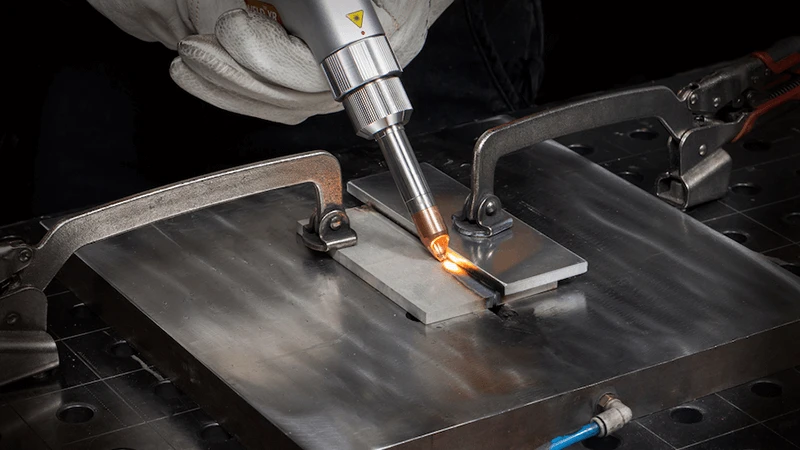
Why Robotic Automation Is the Future of Industrial Manufacturing
Automation has moved beyond convenience — it’s now a necessity for competitiveness. Robotic automation systems streamline complex processes, enhance workplace safety, and ensure consistent quality.
TrueSyn’s robotic automation solutions, including robotic laser cutting, MIG/MAG welding, and automated loading systems, help manufacturers reduce downtime and improve precision. By combining flexibility with reliability, we empower factories to move closer to fully intelligent production. 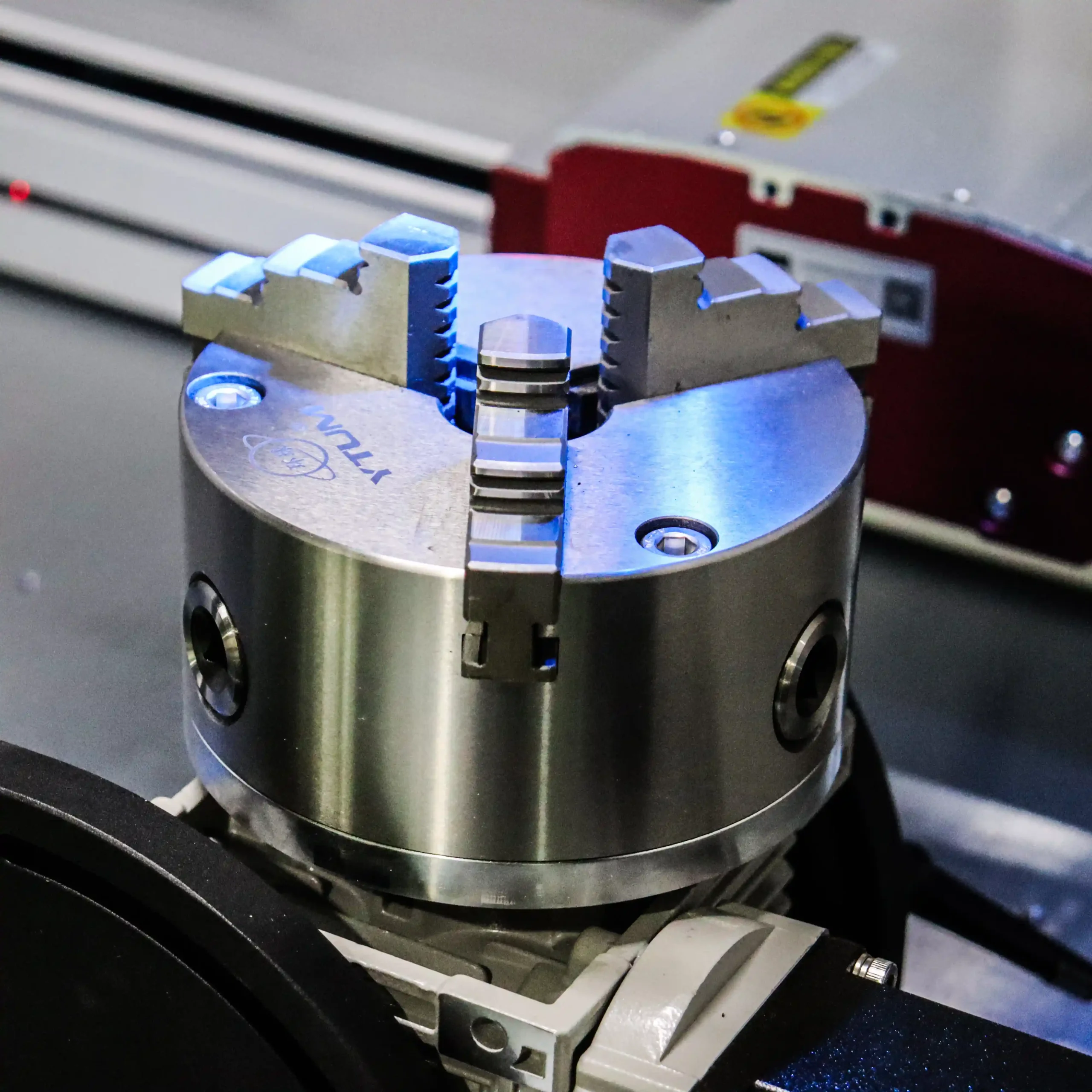
Where Robotics Actually Pays in Manufacturing
Automation arguments fail when they are vague. The table shows the four places robots pay back first.
| Area | Gain | Payback driver |
|---|---|---|
| Welding | Consistent penetration | Less rework |
| Cutting | Nest optimization | Material yield |
| Handling | 24/7 uptime | Labour cost |
| Inspection | 100% coverage | Escape prevention |
Frequently Asked Questions
Does robotics remove jobs?
It shifts them: fewer repetitive weld passes, more programming, fixturing and maintenance. Most shops redeploy rather than reduce.
What is the first robot to buy?
The one on your most repetitive, highest-rework process. Proof there pays for the next cell.
Apply it to welding: laser welding robot and robot vs traditional welding. Context: industrial robotics.
The Adoption Ladder: From First Cell to Fleet
Factories rarely jump straight to lights-out manufacturing. The path that works is a ladder, and each rung de-risks the next:
- One automated station on the bottleneck operation — proves the process with minimal exposure.
- A cell with part families — fixtures and recipes that cover 3–5 variants, amortizing engineering cost.
- Linked cells with shared handling — material flows between stations without operator carry.
- Monitored fleet — utilization, alarms and maintenance data from every cell in one dashboard.
The labor arithmetic drives most decisions. A single welder on two shifts costs a known salary plus turnover risk; a robot cell costs capital plus a maintenance contract. What tips the balance is consistency: an automated cell produces its rated output at hour eight as at hour one, night shift included. That stability is what “the future of manufacturing” means in practice — not a dark factory with no people, but a floor where people handle setup, quality judgment and improvement, while robots absorb the repetitive middle. Plants that climb the ladder one honest rung at a time keep their workforce and their ROI; those that skip rungs usually meet both problems at once.
Skills That Change, Skills That Stay
| Fades in importance | Grows in importance |
|---|---|
| Manual arc hours | Fixture thinking |
| Hand-eye repetition | Parameter literacy |
| Endurance on night shifts | Data reading and alarms triage |
Plants that retrain welders into cell technicians keep the experience that took years to build. Automation replaces motions, not judgment — and the judgment sits in the people you already employ.
Common First-Cell Mistakes
- Automating an unstable process — robots repeat exactly, including your mistakes; stabilize manually first.
- Ignoring material presentation — inconsistent part position causes more downtime than any software bug.
- Skipping acceptance metrics — agree utilization and cycle-time targets before the order, then verify them.
One counterweight keeps expectations realistic: automation concentrates risk. When the only cell stops, the line stops. Spares on the shelf, cross-trained technicians and a supplier SLA are not extras — they are the insurance premium on the whole arithmetic.