
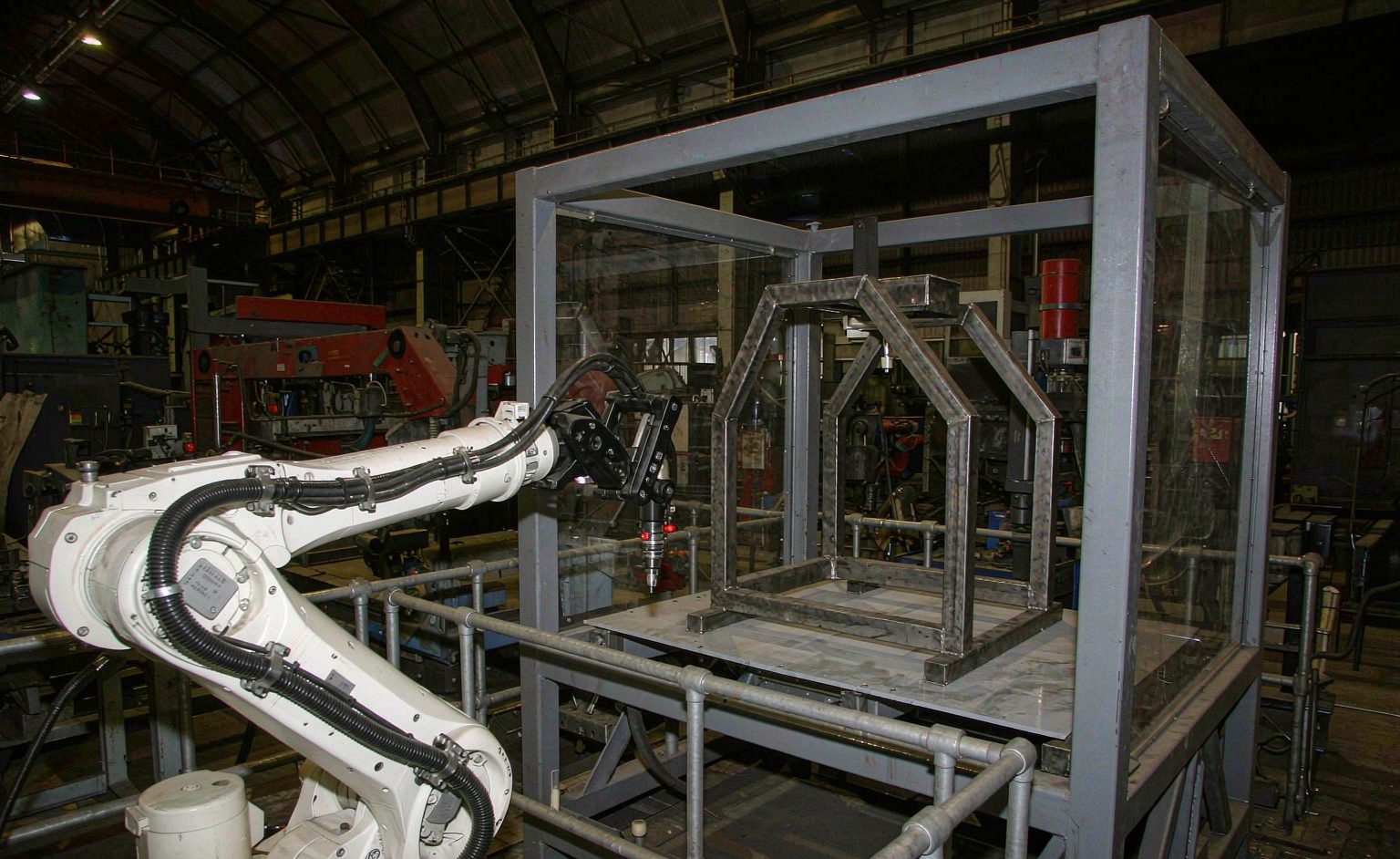
Laser Welding Robot Price: Machine, Workcell and Tooling Cost Breakdown
Buyers ask “what does a laser welding robot cost” expecting one number and receiving three costs wearing a single label. The laser source and machine, the workcell that houses and moves it, and the tooling that holds your parts are quoted by different parties at different times, and the total is frequently double the machine price. Understanding the separation is what makes two proposals comparable. This guide breaks the cost down.
Key Takeaways
- A laser welding robot cost has three parts: machine, workcell and tooling — usually quoted separately.
- Laser source power class and brand drive the machine line more than the robot does.
- The workcell covers enclosure, motion, controls and safety; integration is a project, not a line item.
- Fixtures and tooling scale with part variety, and they are the line that keeps costing after installation.
- Compare proposals on identical scope: same parts, same cycle, same safety class.
Cost Component 1: The Machine
The machine line covers the laser source, the optics and delivery, and the motion platform that carries them.
| Machine element | What drives its cost | What to confirm |
|---|---|---|
| Laser source | Power class, brand, beam quality | Brand, model, guaranteed output, warranty |
| Optics and delivery | Collimation, focusing, fibre length | Fiber length and protection for your reach |
| Motion platform | Robot arm or gantry; reach and payload | Reach covers the working envelope with margin |
| Controls | Controller class and interface options | Interface to your line and to the workcell |
The laser source is the line that varies most between proposals for the same nominal power. Two machines both described as “1500W fiber laser” can differ substantially in source brand, beam quality and warranty, and that difference is the machine. The screening questions are covered in our laser welding manufacturer selection guide.
Cost Component 2: The Workcell
The workcell is what makes the machine operable, and it is where the scope expands most.
| Workcell element | What it covers | Cost driver |
|---|---|---|
| Enclosure | Class-appropriate laser housing and viewing | Size, access doors, fume extraction interface |
| Fixturing / part handling | How parts enter, are held and leave | Manual load versus automated loading |
| Safety systems | Interlocks, beam housing, signage | Safety class required by the application |
| Integration and programming | Programming, teach, line interface | Number of part variants and weld paths |
The integration line is a software project with its own timeline, and it scales with the number of part variants. A cell running one part is a modest programming job; a cell running twelve variants is twelve programs plus changeover logic. The safety requirements that drive the enclosure specification are covered in our welding robot comparison.
Cost Component 3: Tooling and Fixtures
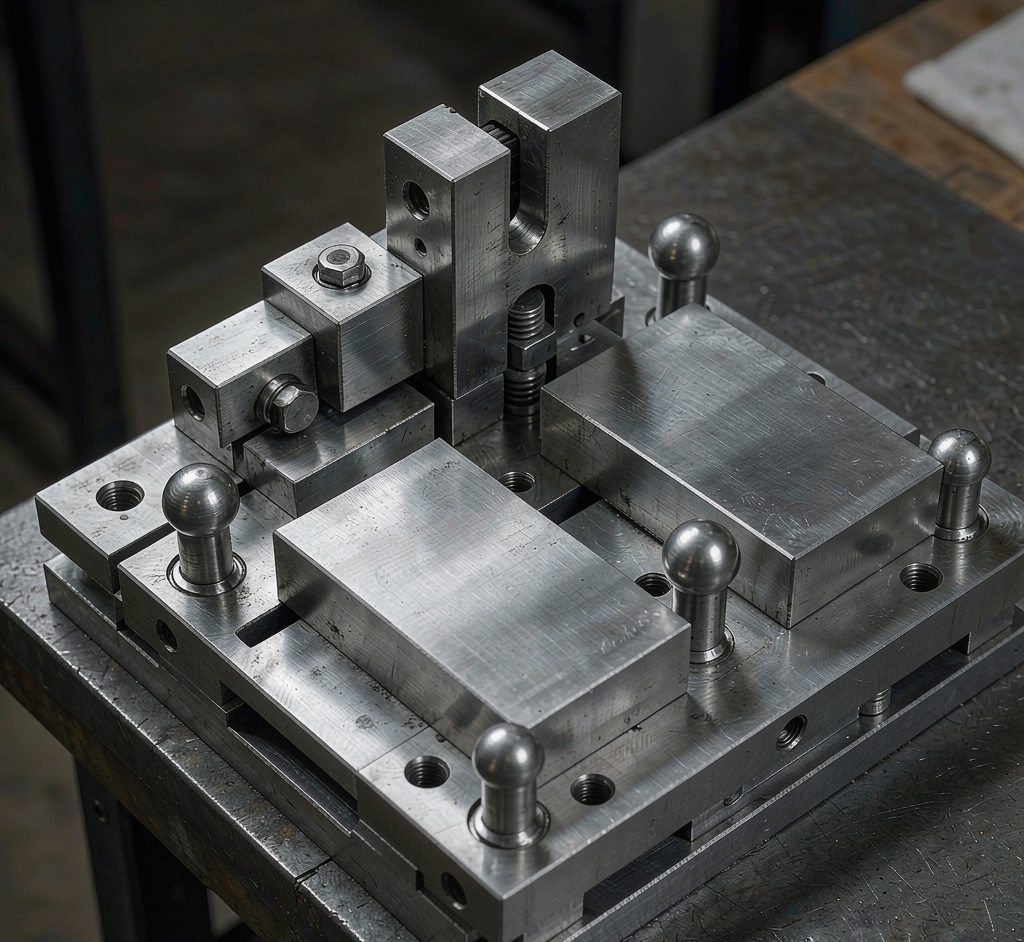
Tooling is the line buyers underestimate and the one that keeps costing.
| Tooling element | What drives cost | Ongoing implication |
|---|---|---|
| Weld fixtures | Part geometry, clamping, access for the beam | One fixture set per part family |
| Part variety | Number of distinct parts and changeover needs | More variants means more fixtures and more programming |
| Wear components | Nozzles, protective glasses, consumables | Recurring consumable cost per operating hour |
| Changeover hardware | Quick-change plates or dedicated stations | Reduces changeover time if volume justifies it |
The practical rule: the number of distinct parts drives tooling cost more than part size does. A cell for two parts is a tooling project; a cell for twenty is a tooling programme. The integration approach that keeps this manageable is described in our laser welding robot integration guide.
Comparing Two Proposals
Four things must be identical before two quotes mean anything: the part or parts to be welded, the required cycle time, the safety class, and the scope boundary — specifically whether tooling and integration are inside or outside the number.
Then ask the question that reveals the most: what is excluded. Design changes after first trial, additional part variants, spare-parts kits and training are commonly outside the quoted price and commonly needed. The application-level decision that determines whether a robotic cell is even the right choice is covered in our handheld versus robotic laser welding comparison.
Frequently Asked Questions
How much does a laser welding robot cost?
It is three costs: the machine (laser source, optics, motion), the workcell (enclosure, handling, safety, integration) and the tooling (fixtures, consumables). They are usually quoted separately and the total is often well above the machine price.
What drives the machine cost most?
The laser source — power class, brand, beam quality and warranty. Two machines described identically as a given wattage can differ substantially in source.
What is included in the workcell cost?
Enclosure, part handling, safety systems and integration and programming. Integration is a software project that scales with the number of part variants.
Why is tooling such a large cost?
Because it scales with part variety, not part size. Each part family needs its own fixture set, and each variant adds programming. Tooling also carries recurring consumable cost.
How do I compare two robot welding proposals?
Fix four things first: the parts to be welded, the required cycle time, the safety class, and whether tooling and integration are inside the quoted number.
What is most often excluded from a robot welding quote?
Design changes after first trial, additional part variants, spare-parts kits and training. Ask explicitly what is excluded rather than assuming.
Should I buy a robotic cell or a handheld welder?
Robotic for repeatable high-throughput production with fixturing; handheld for flexible, lower-throughput work. The comparison is covered in our handheld versus robotic laser welding guide.
Technical background: laser beam welding, industrial robotics and workholding fixtures explain the process, the motion platform and the tooling referenced above.