
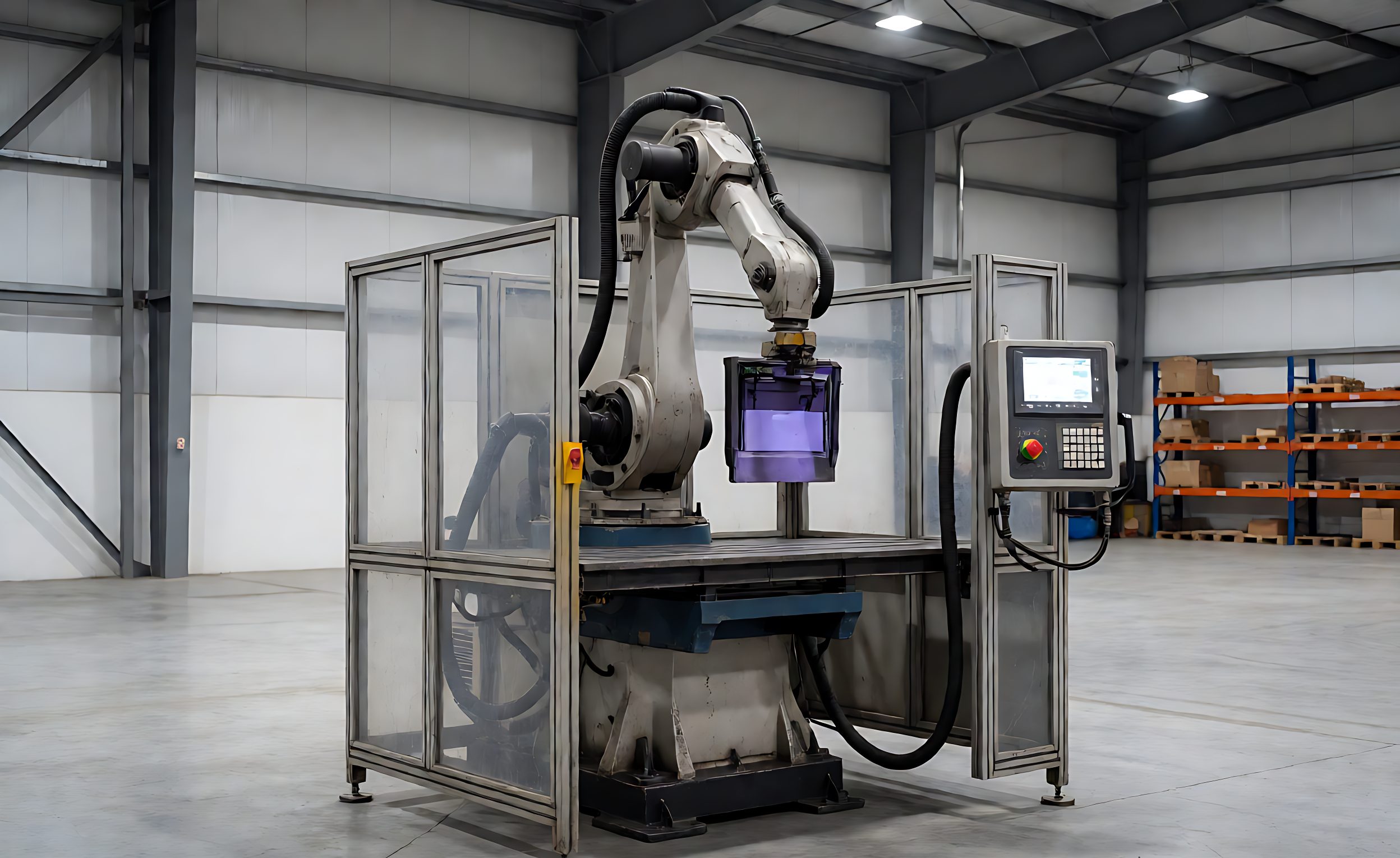
使用済みか新品:中古ロボット溶接セルの購入
A second-hand robotic welding cell can be excellent value or an expensive education, and the difference is rarely visible in photographs. The mechanical structure of an industrial robot is usually the least of the problem – these machines are built for long service lives. The risk sits in the control system, the laser source and the documentation.
The decision should therefore be made on condition and supportability rather than on age or hours alone. A five-year-old cell with current software support and full documentation is a better purchase than a two-year-old orphan.
Where the Risk Actually Sits
Rank components by how expensive and how difficult a failure is, then inspect accordingly.
- コントロールシステム: the highest risk. If the controller platform is obsolete or no longer supported, spares and software support become the constraint. Verify the platform generation and the manufacturer’s support status before anything else.
- レーザーソース: hours matter, but condition and service history matter more. Ask for the hour counter reading, any service records, and whether the source has been reconditioned. The laser source comparison explains which platforms have long-term parts support.
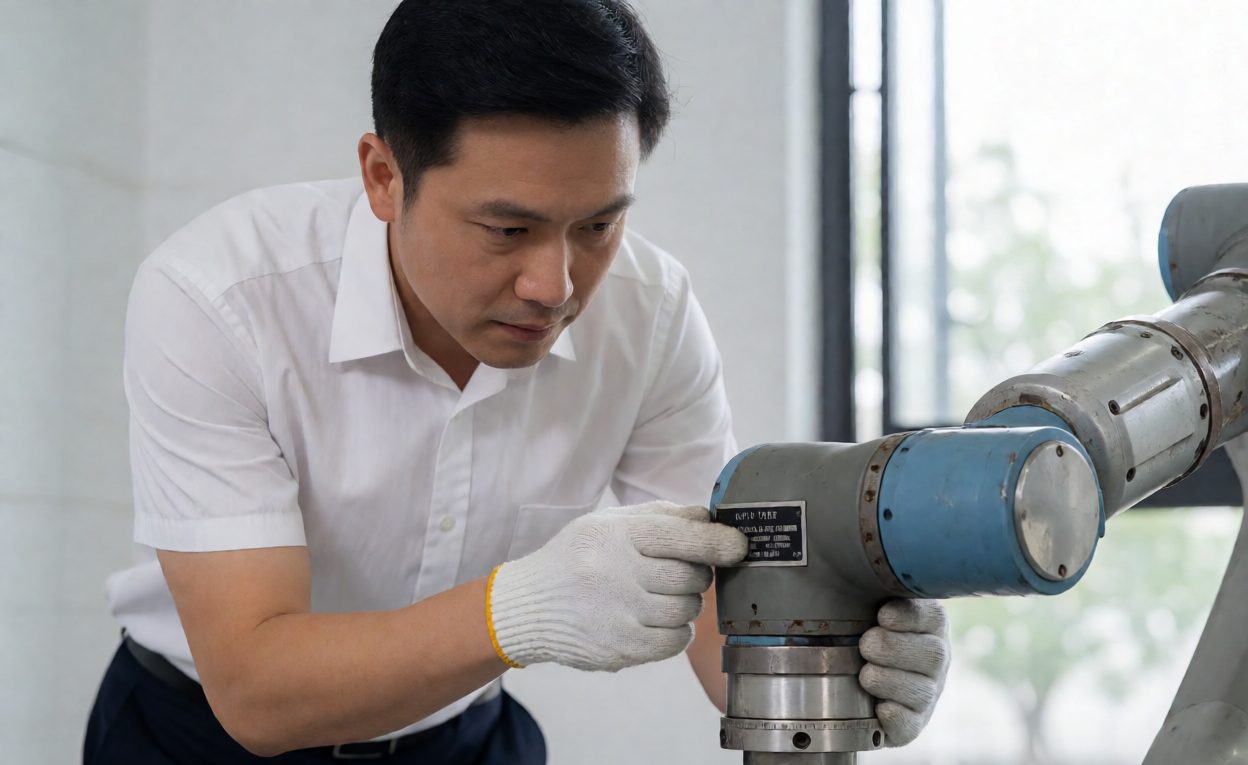
- Robot mechanics: generally robust. Check for crash damage, backlash and seal condition on the axes that did the most work.
- Optics and welding head: inspect for contamination and damage. Replacement cost is significant and is often excluded from a used sale.
- Safety system: enclosure, interlocks, light curtains and scanners. These must meet current requirements in your jurisdiction regardless of what they met originally.

What to Demand Before Paying
A serious seller can produce most of the following. A seller who cannot produce any of it is telling you something about how the machine was maintained.
- Hour counters: robot hours and laser hours, read from the controller rather than estimated.
- Maintenance records: what was done and when, particularly for the chiller and the laser cooling loop.
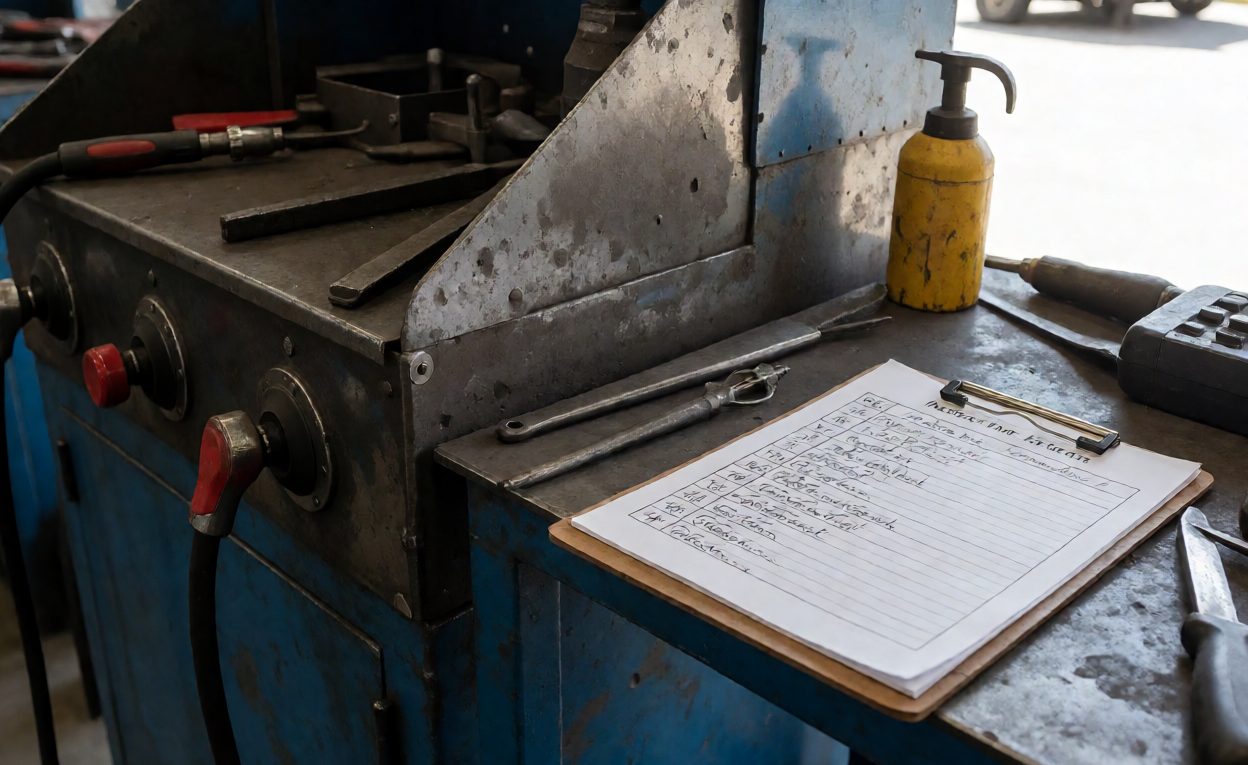
- Original documentation: manuals, drawings, electrical schematics and the spare parts list.
- Software state: version, licence status, and whether programmes and backups are included.
- Reason for sale: upgrade, closure, or surplus. Sometimes the honest answer is that the cell did not work for the application, which is worth knowing.
- Power-up demonstration: see it run. A cell that cannot be demonstrated should be priced as unproven.
Inspection Steps Worth Paying For
Two inspections pay for themselves. The first is a mechanical survey: backlash, cable condition, seal condition, and any evidence of collision repair. The second is a functional run at the intended duty – not a demo cycle, but enough parts to see stability over time.
If the cell includes a laser, have the source output measured rather than assumed. Output degrades gradually, and a source that still fires but delivers less than rated power will change the process window. Pair that with the cooling condition: a chiller that has been poorly maintained will shorten the remaining life of the source, and the maintenance items in the chiller guide are exactly what to check.
The Costs That Make Used Less Cheap
Used equipment rarely arrives ready to produce. Four cost lines routinely appear after purchase, and they should be in the comparison before it, not after:
- Decommissioning, transport and re-installation: often a meaningful fraction of the purchase price for a large cell.
- Recommissioning and reprogramming: the cell was programmed for someone else’s parts.
- Tooling: existing fixtures are rarely reusable, so new tooling must be budgeted as for a new cell.
- Safety upgrade: bringing the enclosure and interlocks up to current requirements. See the Class 4 safety requirements for what a compliant cell needs.
After those lines, the gap between used and new narrows considerably – and the new machine carries a warranty, current software, training and support. For buyers comparing on total cost of ownership rather than purchase price, used wins when the application is simple, the duty is low, and the platform is still supported. It loses when the process is demanding or the control platform is near end of life.
Where the application is uncertain, a cobot welding system can be a better first step than either option: lower capital, easier redeployment, and less exposure if the part mix changes. And whatever is bought, the quotation comparison template applies just as much to a used purchase – scope, assumptions and exclusions still decide the real price. The underlying economics of depreciation mean the used market prices obsolescence far more sharply than wear, which is why supportability dominates the decision.
Financing and accounting treatment also differ. New equipment may qualify for capital allowances or support schemes that used equipment does not, and some organisations have internal rules that restrict used purchases above a threshold. Check both before assuming the used price advantage survives the finance review. Capital budgeting processes rarely distinguish used from new, but the appraisal inputs do: a shorter expected life and a higher maintenance allowance usually narrow the gap more than the purchase prices suggest.
よくある質問
中古溶接ロボットは信頼できますか?
The mechanics usually are. The risk is in the control platform, laser source condition and documentation.
最も重要なチェック項目1つとは何ですか。
Whether the controller platform is still supported. An obsolete platform is difficult and expensive to keep running.
アワーカウンターは重要ですか?
Yes, but read them from the controller and consider them alongside service history and measured output.
レーザー出力を測定すべきか?
Yes. Output degrades gradually, and a source below rated power changes the process window.
中古購入に伴う隠れたコストは何か?
Transport and reinstallation, reprogramming, new tooling, and safety upgrades to current requirements.
中古機器が合理的だと判断されるのはいつですか?
Simple applications, low duty, and a control platform with ongoing manufacturer support.
購入前にデモサイクルだけで十分ですか?
No. Run enough parts at intended duty to see stability over time.