
Проектирование конвейерных зажимов роботизированной сварки: планирование доступа,夹紧 и повторяемости
Краткий ответ: A robotic welding fixture should locate the workpiece from controlled datums, hold it without blocking the weld path, support safe loading and allow the team to verify repeatability across representative parts. Review clamp sequence, torch access, cable and hose clearance, part variation, changeover and inspection before freezing the fixture. The final trial record should link the part revision, fixture revision, process recipe and acceptance checks.
1. Translate the part drawing into a locating plan
Identify the datums and interfaces that control the joint location. Show which surfaces the fixture references, which features are allowed to vary and how the operator confirms that the part is seated. Avoid locating from a cosmetic surface if the drawing defines another functional reference. Review a family of representative parts and note the variation that the fixture must accommodate. Record the datum scheme on a controlled drawing so engineering, tooling and production use the same coordinate reference. A clear locating plan helps the team distinguish a fixture issue from an incoming-part variation during trials.
2. Hold the part while keeping the weld path open
Place clamps where they support the part without shading the target area or blocking torch approach. Check the complete weld path, including start and stop points, corner access and any position change needed between seams. Note the order in which clamps close and release, and identify a safe method for removing a hot or recently processed part. If a clamp must move between operations, include that step in the cycle review. The fixture designer should review the robot reach and the physical line of sight together. A clamp that clears one programmed position may still interfere during a transition or create poor access for inspection.
3. Review loading, unloading and error-proofing
Map the operator sequence from the empty fixture to a clamped part ready for processing, then back to a clear station. Identify the lifting point, part orientation and any support needed during loading. Use visible locating features or a simple mistake-proofing method to reduce the chance of loading a part backward or in the wrong variant. Decide how the cell detects an incomplete clamp or missing component, and document what the operator should do if the sensor reports an error. Test the sequence with the actual workpiece and normal operator reach. This catches practical issues that a robot simulation alone may not show.
4. Check robot reach, torch clearance and services
Review the end-effector envelope along the full path, not only at the weld line. Include cable, hose, nozzle, sensor and service access where applicable. Check clearance at the fixture, table, guard and nearby equipment as the robot changes orientation. Ask the integrator to document any restricted pose or alternate approach needed for maintenance. Verify that the torch can be cleaned or inspected without dismantling a large fixture section. If multiple part sizes share a fixture, review each programmed route and call out where additional clamps or blocks are needed. A coordinated reach review reduces late changes during commissioning.
5. Account for heat, distortion and part variation
Ask process engineering how heat input and the planned sequence may affect the part and fixture. Record what support surfaces, stops or clamps help maintain joint fit-up, and decide when a part needs to cool before release or measurement. Run trials with samples that represent normal variation rather than a single hand-selected piece. If a gap, fit-up or distortion threshold is important, state how it is measured and who owns the decision. Keep the process settings and fixture settings together in the trial record. This gives the team a basis for investigating a result that changes with a material lot or part revision.
6. Plan changeover and maintenance access
For a fixture that handles more than one part, identify the removable tooling, pin changes, clamp adjustments and software selection needed for a changeover. Label adjustable components and define the approved settings for each product variant. Review how wear parts are accessed and replaced without disturbing the locating scheme. Include a method for checking that a fixture is clean and ready before a new run. If the robot cell uses a quick-change interface, record the connection and verification steps. A practical changeover plan supports repeatable work and makes it easier for maintenance to restore the fixture after service.
7. Define measurement and fixture verification
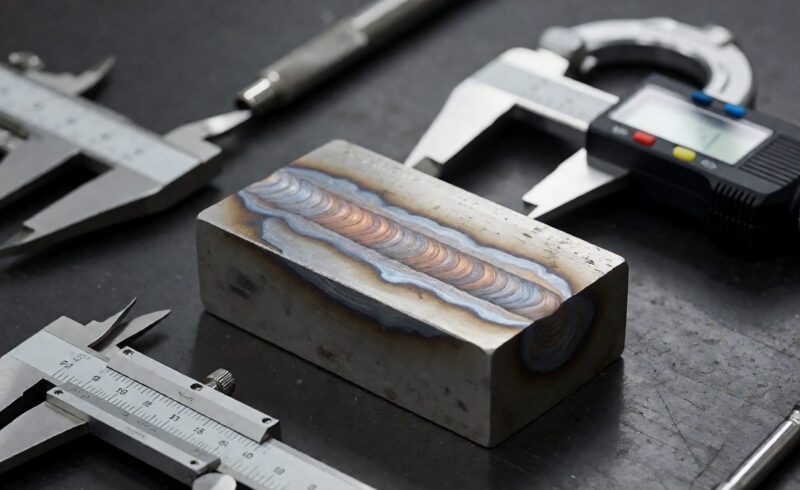
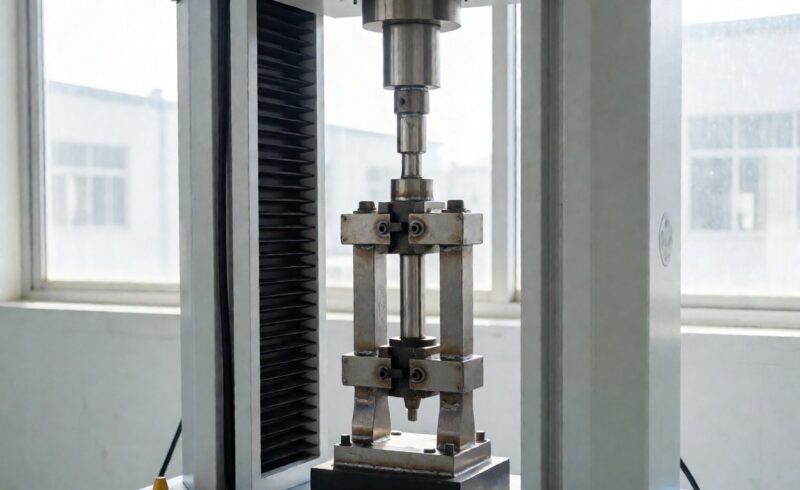
Select the dimensions or features that demonstrate the fixture is locating the part as intended. Agree whether verification uses a master part, a gauge, a coordinate check or another method supplied by the project team. Record the measurement point, tolerance source, fixture revision and frequency. Do not invent a tolerance from the equipment brochure; link acceptance to the released part drawing and process requirement. If a check fails, assign an owner to separate fixture correction from part correction. A short verification record helps production confirm the fixture remains suitable after maintenance or an engineering change.
8. Run a repeatable trial before production release
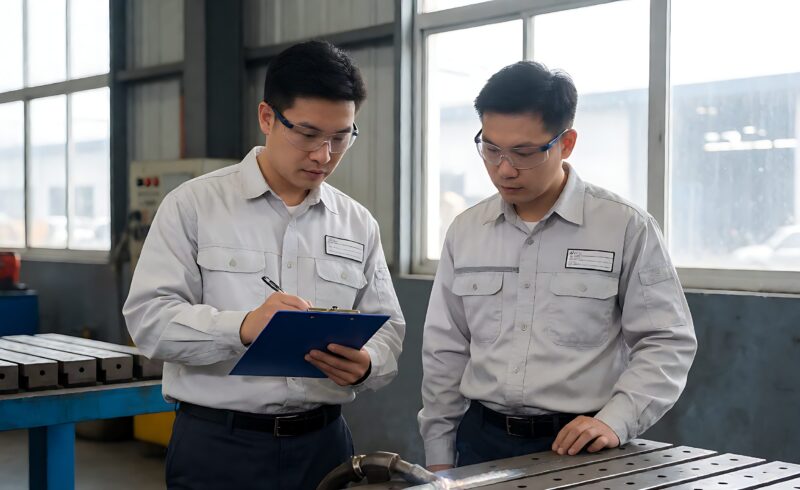
Use a trial plan that identifies the part revision, sample range, fixture setup, clamp sequence, process recipe, inspection points and sign-off owners. Run enough cycles to observe loading and repeatability, and record any adjustment made between samples. Keep photos of the fixture from consistent angles and label the points that matter. Capture the final accepted program and fixture revision in the handover package. If the trial exposes an open item, state who will close it and whether production release depends on that closure. This provides a practical bridge between fixture design, robot programming, quality review and operator training.
Для покупателей, сравнивающих доступные варианты продукции и поставщиков, смотрите Системы лазерной сварки TrueSyn.
Вопросы, которые часто задают покупатели
What should be reviewed before a robotic welding fixture is frozen?
Review datums, clamp sequence, torch reach, operator access, service clearance, part variation, changeover needs and the measurement plan.
Can a clamp be placed near the weld joint?
Only after the process and robot teams confirm that it does not block the tool path, inspection or safe handling. Validate the full motion path in a trial.
How can repeatability be checked?
Use the project’s released part requirements and a defined measurement method, then record the fixture revision, samples and setup used for the check.
What belongs in the fixture handover?
Keep the controlled drawing, locating plan, clamp and changeover instructions, accepted trial record, fixture revision and maintenance access notes together.