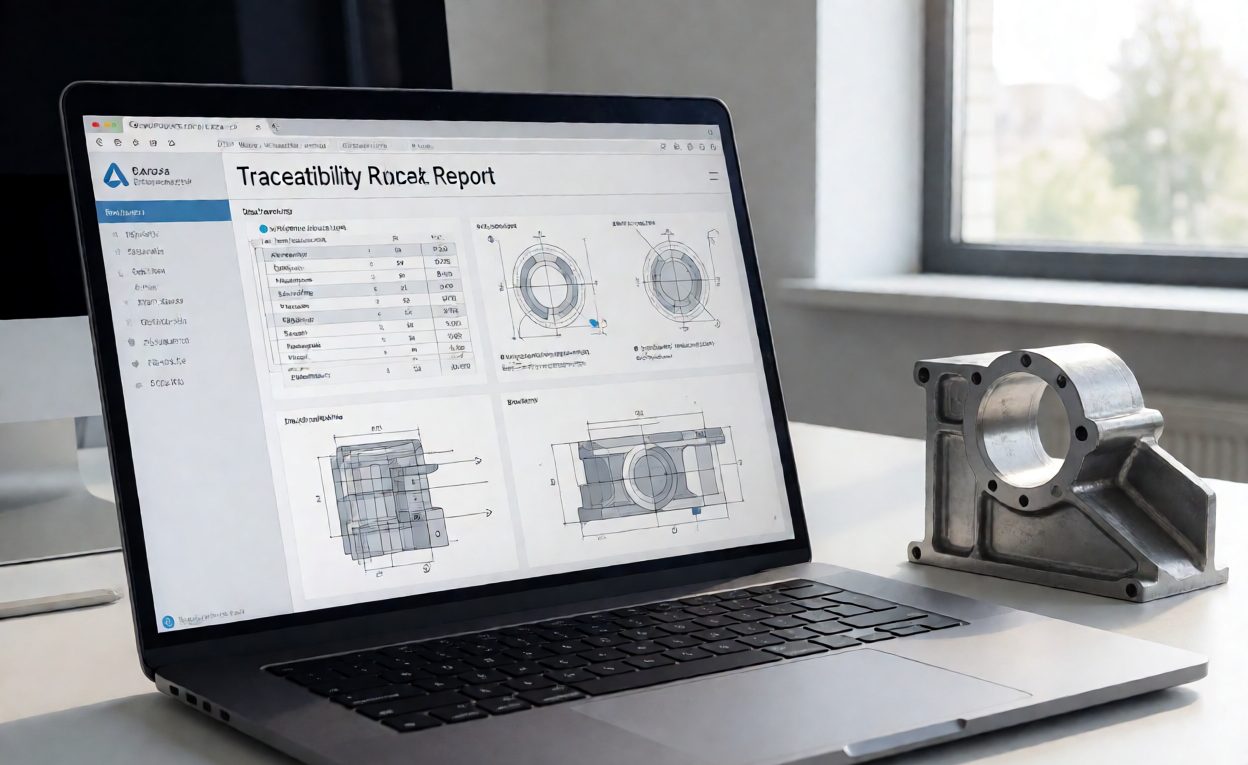

Интеграция сварочного ячейки с MES и прослеживаемостью
Manufacturing execution system integration is one of the cheapest things to specify when a welding cell is ordered and one of the most expensive to add afterwards. The data exists in the cell’s controller either way; what differs is whether it leaves the cell in a form the plant’s systems can use. Retrofitting that path after commissioning means engineering time, validation, and a production interruption, all of which are avoidable at order stage.
The specification is not complicated. It states what data the cell must expose, in what format, over what interface, and what the plant side will do with it.
What the Cell Must Expose
The useful data set is small and specific: part identity, weld parameters as executed, result status, and timestamps. That combination is what allows a quality investigation to answer which weld, on which part, with which parameters, and when – without a manual search.
- Part identity – the serial or batch number the weld belongs to, usually scanned or passed from the MES.
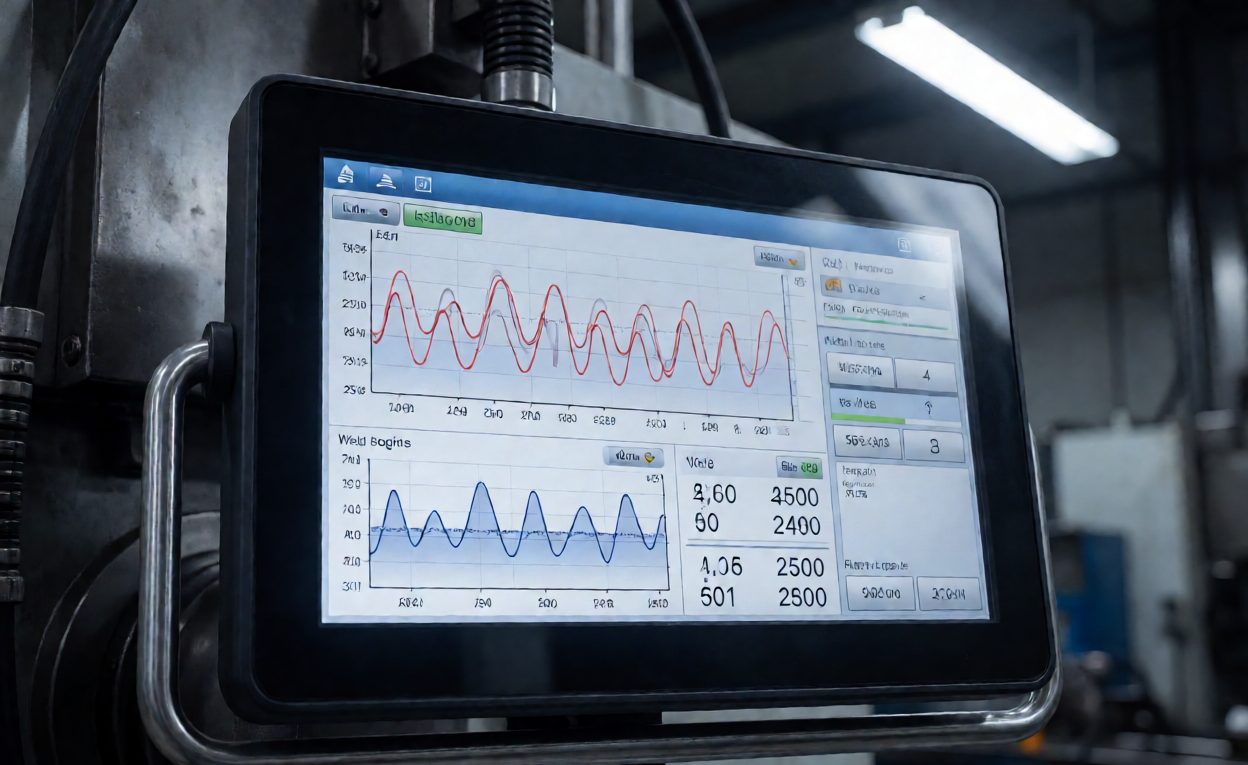
- Parameters as executed – power, speed, wire feed and gas flow recorded per weld, not per shift.
- Result status – pass, fail or rework, with the fault code where relevant.
- Timestamps – start and end per weld, which is what makes sequence reconstruction possible.
The Interface Specification
The interface is where most integration projects fail, because both sides assume the other will define it. The OPC UA family of standards has become the usual answer for industrial equipment, and a specification that names the protocol, the data model and the update rate removes most of the ambiguity.
State also the direction of each data flow. Part identity flows into the cell; results flow out. A specification that leaves the direction unstated produces an integration where each side waits for the other, which is discovered during commissioning rather than at the design review.
Traceability Depth
The right depth depends on the consequence of a weld failure. Per-weld traceability suits safety-critical work, where a single defective joint must be locatable. Per-batch traceability suits commodity production, where the investigation is at lot level. The traceability requirement should be chosen deliberately, because the data volume and storage differ by an order of magnitude.
Whatever the depth, the records must survive. A traceability system that retains data for a shorter period than the product’s service life is a system that cannot answer the question it was built for.
Commissioning the Integration
The integration test belongs in the acceptance sequence, not after it. The test should verify that a known part produces the expected record in the plant system, that a deliberate fault produces the expected status, and that the timestamps align. Those three checks catch the failures that otherwise appear weeks later as unexplained data gaps.
One further practical point: agree the data format at the specification stage rather than the integration stage. A format the plant system consumes natively avoids custom code on this project and on every future one, and the data interchange decision is far cheaper to make before the cell is built.
It is also worth agreeing who owns the integration work. Where the cell supplier delivers the interface and the plant IT delivers the consuming side, the boundary should be stated, because an interface with no owner is an interface that stalls at commissioning.
One last practical measure: include the interface in the training package. An operator or maintenance technician who understands what the cell exposes can diagnose a data gap without escalating to a systems specialist.
One more item for the specification: state the update rate for each data flow. Part identity needs to arrive before the weld starts, while results can be posted after, and confusing the two produces a record that cannot be matched to a part.
One last consideration for multi-cell sites: standardise the interface across cells rather than per cell. A common data model means one integration serves the whole line, and the next cell connects without a new project.
One further practical note: keep a copy of the data dictionary with the cell documentation. When the plant system is upgraded years later, the dictionary is what allows the interface to be rebuilt without reverse-engineering it.
Последнее замечание по планированию: согласуйте, когда будет проводиться тестирование интерфейсов в плане ввода в эксплуатацию. Интерфейс, протестированный в конце, — это интерфейс, который задерживает передачу, а тот, что протестирован во время ввода в эксплуатацию, уже доказан.
Связанная литература для покупателей, работающих над тем же вопросом: Машина для сварки волоконным лазером мощностью 3000 Вт, максимизирующая глубину проникновения и минимизирующая термическую деформацию в тяжелом производстве, полностью автоматизированное решение для сварки коллекторов а передовые методы роботизированного отслеживания сварного шва лазером для точной сварки Охватите окружающие решения, от которых зависит данная спецификация.
Часто задаваемые вопросы
Можно ли добавить интеграцию MES после вводе в эксплуатацию?
Да, но это обходится во время разработчиков, валидацию и прерывание производства. Указание этого на этапе оформления заказа обходится лишь абзацем в спецификации.
Какой набор данных является минимально полезным?
Идентификатор части, параметры, фактически выполненные, статус результата и временные метки. Эти четыре ответа удовлетворяют большинству запросов по качеству без необходимости ручного поиска.
Какой протокол должна использовать интерфейсная часть?
Явно укажите один вариант, с указанием модели данных и частоты обновления. Передача этого решения интегратору приводит к тому, что обе стороны начинают ожидать действий друг друга.
Необходима ли прослеживаемость каждого сварного шва всегда?
Нет. Индивидуальная настройка каждого сварного шва подходит для работ, критичных к безопасности, а настройка по партиям — для серийного производства. Осознанно выбирайте метод, так как объемы данных значительно различаются.
Как долго записи должны храниться?
Как минимум срок службы изделия плюс запас. Период хранения, более короткий, чем срок службы, не может ответить на вопрос, для которого он был создан.
Когда следует тестировать интеграцию?
Во время приёмки, с известной деталью, намеренным дефектом и проверкой временной метки. Эти три пункта выявляют неисправности, которые иначе проявляются как пробелы в данных.
Кто обладает правами на формат данных?
Согласуйте это в спецификации. Формат, который заводская система не может обработать, является форматом, требующим написания пользовательского кода для каждого будущего проекта.