
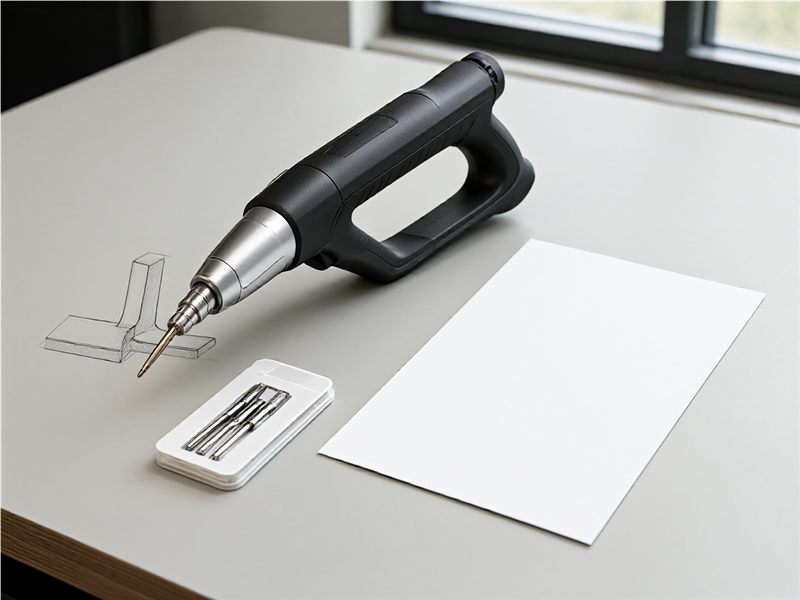
Laser Welding Gun: Check Torch, Cable, Cooling and Trial Evidence
Quick answer: Verify laser gun compatibility, cooling, cable routing, joint access and trial results before purchase.
Define the real use case
Start with the decision the buyer needs to make, then describe the actual environment for a handheld or automated laser welding gun package matched to a defined source and joint application. Record who uses it, how it is installed or handled, order pattern and destination. A broad search term such as “laser welding gun” helps people find the topic, but a quote needs a defined model, use case and configuration. Ask suppliers to answer the same brief so the comparison reflects the product rather than different assumptions. Write the record so a second supplier or new team member can understand the same configuration. Tie every open question to an owner and date; do not let an informal call replace the controlled drawing, service scope or product file.
Build a complete supplier brief
Give the supplier a dated package combining a drawing or workflow map, item identity, dimensions, options, quantities and acceptance method. For a handheld or automated laser welding gun package matched to a defined source and joint application, make source and gun part numbers, connector details, cooling requirements, joint samples and documented trial settings the reference record and state which revision controls the quote. Mark any unresolved input as open instead of letting a supplier silently choose it. This lets a later sample or service plan trace back to the original request. For this topic, a useful comparison includes gun configuration, focal arrangement, cable length, cooling, wire feed, nozzle, sensor and safety interlock and states what is standard, optional or still unverified. Similar names or photographs do not establish mechanical fit, software behavior, service coverage or compliance.
Compare equivalent configurations
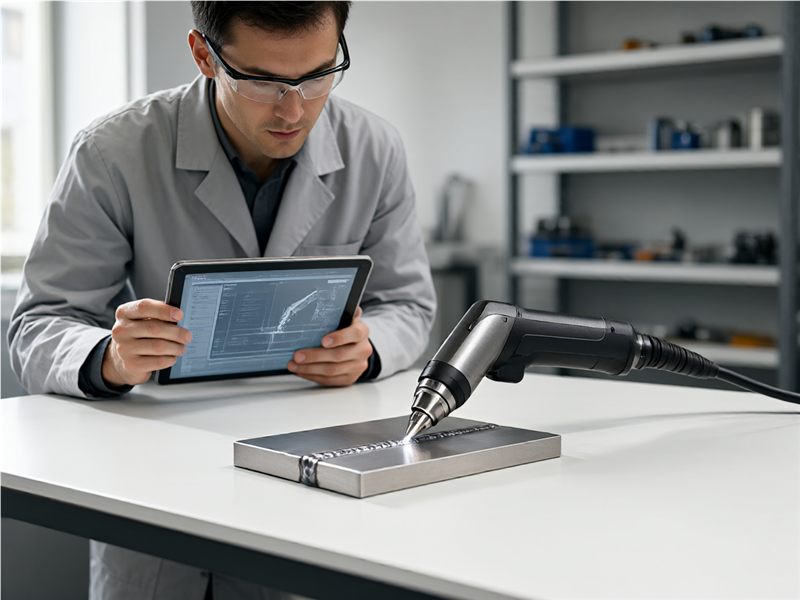
Compare gun configuration, focal arrangement, cable length, cooling, wire feed, nozzle, sensor and safety interlock as separate, named configurations. Keep the base offer distinct from optional features and show how each choice changes fit, function, packaging, maintenance or delivered cost. A side-by-side scope is more useful than a headline price: note inclusions, exclusions, evidence and open questions so a partial offer is not mistaken for an equivalent one. Use source revision, joint gap, material, lens, cooling circuit, cable route or operator method as the basis for choosing a sample and deciding what to measure. If the sample leaves out a difficult condition, state the limit of the result instead of presenting it as proof for all use cases.
Set measurable fit and acceptance points
Choose the features that control fit and performance, then mark measurement points on the drawing or acceptance sheet. State the datum, method, sample condition and tolerance source where applicable. For a handheld or automated laser welding gun package matched to a defined source and joint application, source revision, joint gap, material, lens, cooling circuit, cable route or operator method can make a number misleading if teams measure different features. Review uncertain limits with the designer and manufacturer before tooling or production. A common failure mode is a gun name or power rating alone does not confirm source compatibility, cooling, cable routing or the achievable joint result. Reduce it with a written check before release, plus a clear hold and escalation step when the check fails. The responsible owner should be able to find the evidence without relying on memory.
Review a representative sample
Ask for a sample that represents the intended production configuration, not a visually similar substitute. Record the model, material or revision, accessories, finish and temporary parts. Review it in the actual mating or operating environment. Define what counts as the equipment mates with the named source and produces a documented sample under the approved trial conditions and who may approve a deviation; an unrecorded demonstration is not a controlled approval. A buyer can ask the supplier to return source and gun part numbers, connector details, cooling requirements, joint samples and documented trial settings with the quote or sample. That makes the response more useful than a broad capability statement and gives procurement, engineering and quality a shared starting point.
Separate evidence from assumptions
Request evidence that answers the question being asked. A drawing shows geometry, a material declaration identifies a formulation, and a test report supports only its stated conditions and scope. For a handheld or automated laser welding gun package matched to a defined source and joint application, distinguish supplier statements from independent evidence and buyer review. Do not infer certification, service life or market approval from a photo or sample. For a repeatable result, agree the equipment mates with the named source and produces a documented sample under the approved trial conditions before the trial. Identify sample identity, measurement or operating method, record format and who signs off; if one condition changes, review the effect before reusing the approval.
Check destination requirements
List the destination, channel and user group before deciding which legal or standards review is needed. the installed work area, applicable safety rules and production part mix may have rules that vary by classification, intended user, installation and sales channel. Identify the importer or project owner, ask which requirement version applies and retain approved evidence. Confirm uncertain applicability with a competent authority, lab or qualified local adviser. Plan source compatibility review, cable and cooling check, access study, sample weld trial and operator or cell handoff as connected gates. Each gate should have an input, owner and output so a sample, order or installation cannot move forward with an unresolved issue hidden in an email thread.
Include packaging and identification
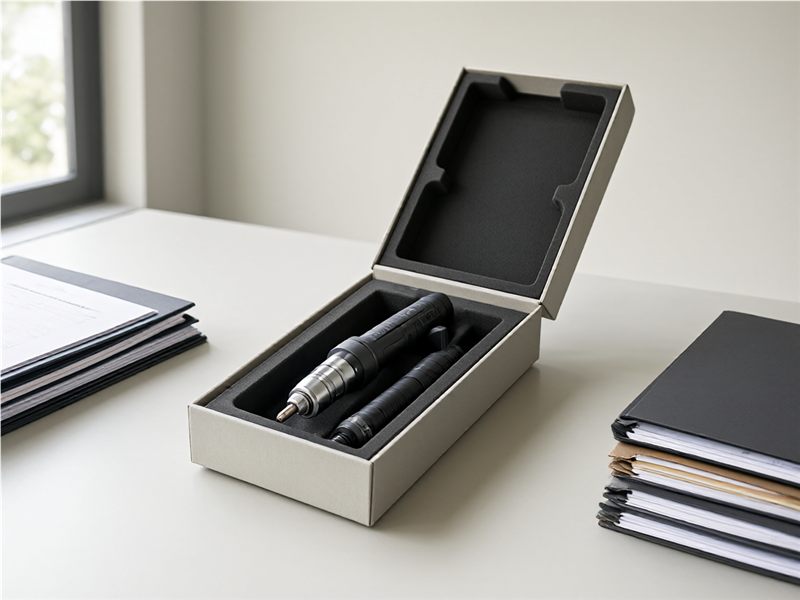
Treat carton, labels, instructions and item identifiers as part of the specification. Record the finished pack, quantities, inserts, barcode owner, language, destination marks and approval file. A change can affect receiving, shelf presentation or traceability. Have the receiving or retail team check the complete pack against the approved list. Market and site differences matter: the installed work area, applicable safety rules and production part mix can change the documents, labels, installation details or customer wording that must be reviewed. Name the responsible local party and use current primary guidance.
Compare total cost and change exposure
Compare total cost over the buying cycle, not only the unit quotation. Include tooling or setup, inspection, packaging, freight assumptions, spare parts, change approval and rework exposure. For a handheld or automated laser welding gun package matched to a defined source and joint application, ask the supplier to identify assumptions behind each line so finance and engineering can discuss the same configuration.
Use a controlled pilot
Use a pilot or trial quantity to check whether the approved process can be repeated. Select representative samples, record deviations and compare results with the signed plan. Define in advance whether a failure leads to containment, rework, replacement, retest or escalation. The pilot should generate evidence for a release decision.
Keep the revision traceable
Store the brief, sample approval, test records, packaging files, purchase order and change notices under one stable model or project ID. Name the owner and revision. When an alternate component, material or route is proposed, require an impact review before the next lot.
Close with a documented decision
Close with a concise decision table: required configuration, open questions, evidence due, sample owner, approval date and next gate. For a handheld or automated laser welding gun package matched to a defined source and joint application, explain why an option fits the stated use and what remains to verify. Avoid unsupported claims such as “best,” “certified” or “maintenance-free.”
See the related TrueSyn robotic metalworking solutions for product and supplier details.
Primary references for market review
These primary references help frame the review. Confirm current local rules, product classification and contractual requirements for the actual application.
Questions buyers often ask
What should buyers verify when sourcing a handheld or automated laser welding gun package matched to a defined source and joint application?
Start with source and gun part numbers, connector details, cooling requirements, joint samples and documented trial settings. Match the record to the model or service revision, destination and intended use, then ask the responsible owner to approve any open requirement.
How should a buyer compare laser welding gun options?
Compare gun configuration, focal arrangement, cable length, cooling, wire feed, nozzle, sensor and safety interlock on the same scope. Label included, optional and unverified items, then evaluate fit, evidence, service and total cost against the stated use case.
What evidence supports release?
Use a representative sample or workflow, the agreed acceptance method, traceable results and a named approval owner. Do not treat an unscoped demonstration as universal proof.
Do requirements vary by market or site?
Yes. the installed work area, applicable safety rules and production part mix may change applicable rules, documentation, installation or customer claims. Confirm the current requirement with the importer, project owner or qualified local professional.