
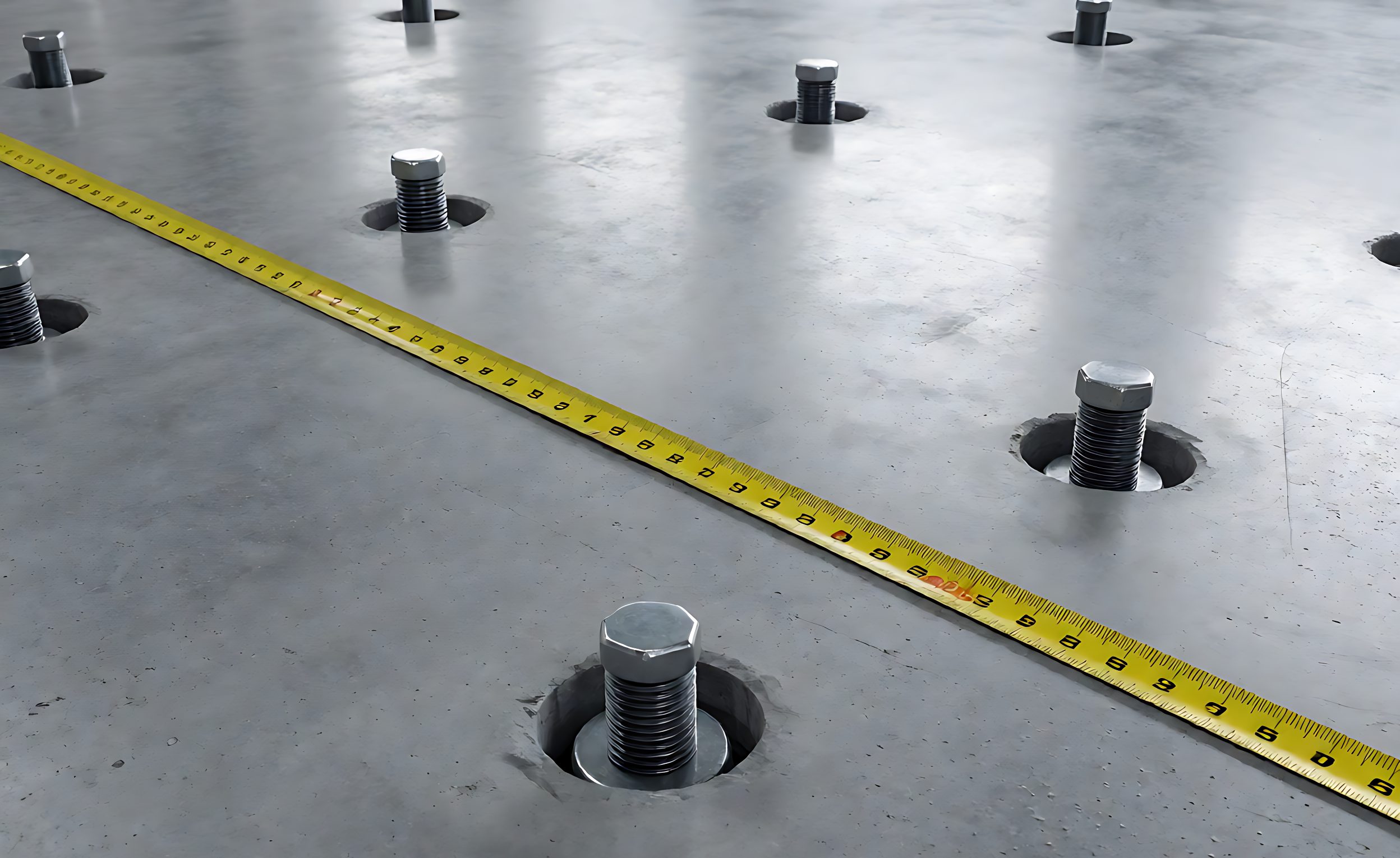
용접 셀 기초 및 앵커 볼트: 사양 기본
A welding cell is sold as a machine and delivered onto a slab, and the slab is the buyer’s responsibility in most contracts. Foundations are the least discussed part of a cell project and among the most expensive to get wrong after the fact: anchor points drilled in the wrong places, a floor that is out of flat, or a slab that transmits more vibration than the process tolerates. All three are cheap to prevent and disruptive to fix.
What the floor must provide falls into four topics: flatness, capacity, anchoring and vibration. None requires specialist engineering on a normal industrial slab, but all four need to be checked against the supplier’s numbers before the cell ships, because after it ships there is no version of the conversation that is not expensive.
Flatness, Level and Slab Condition
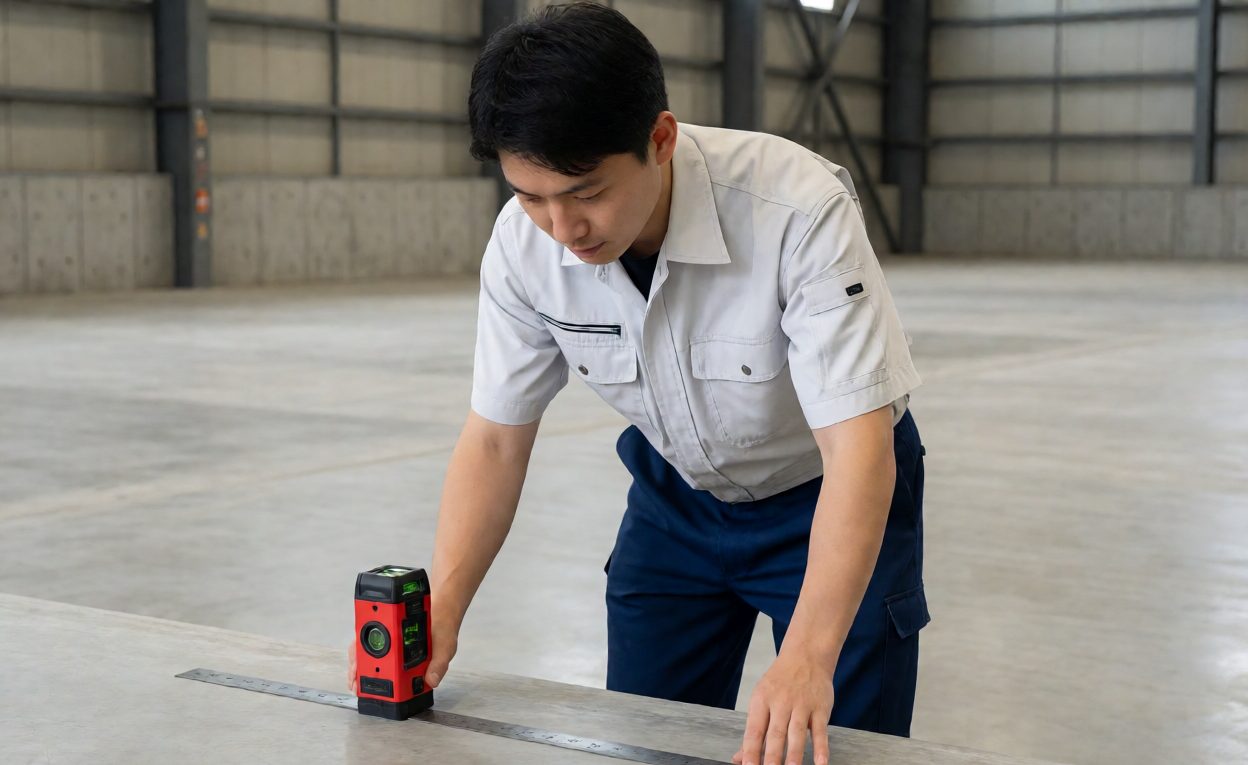
Laser welding cells are more sensitive to floor quality than most machine tools at a similar price, because the process holds tight tolerances and the fixture transmits whatever the floor does. The specification should state:
- Flatness tolerance across the cell footprint, typically expressed as a deviation over a given length. A standard power-trowelled slab often passes; older slabs with joint displacement may not.
- Level: overall slope across the footprint, because a tilted cell loads its levelling feet unevenly and drifts out of square over months.
- Slab thickness and reinforcement: needed to judge point capacity. A drawing or a core sample settles it in an afternoon.
- Joint locations: cells should not straddle construction or expansion joints, which move under load and with temperature.
- Surface condition: oil-saturated or dusting concrete affects both anchoring and housekeeping, and a sealant decision belongs in the plan rather than in a later workaround.
Where the existing concrete slab is questionable, a localised thickening or a small independent pad under the cell is a modest cost at planning stage and a major one after delivery. The installation requirements article lists the floor-related items in a pre-delivery checklist form, which is the easiest way to make sure none of them is discovered by the commissioning crew.
Anchor Bolts: Type, Position and Torque
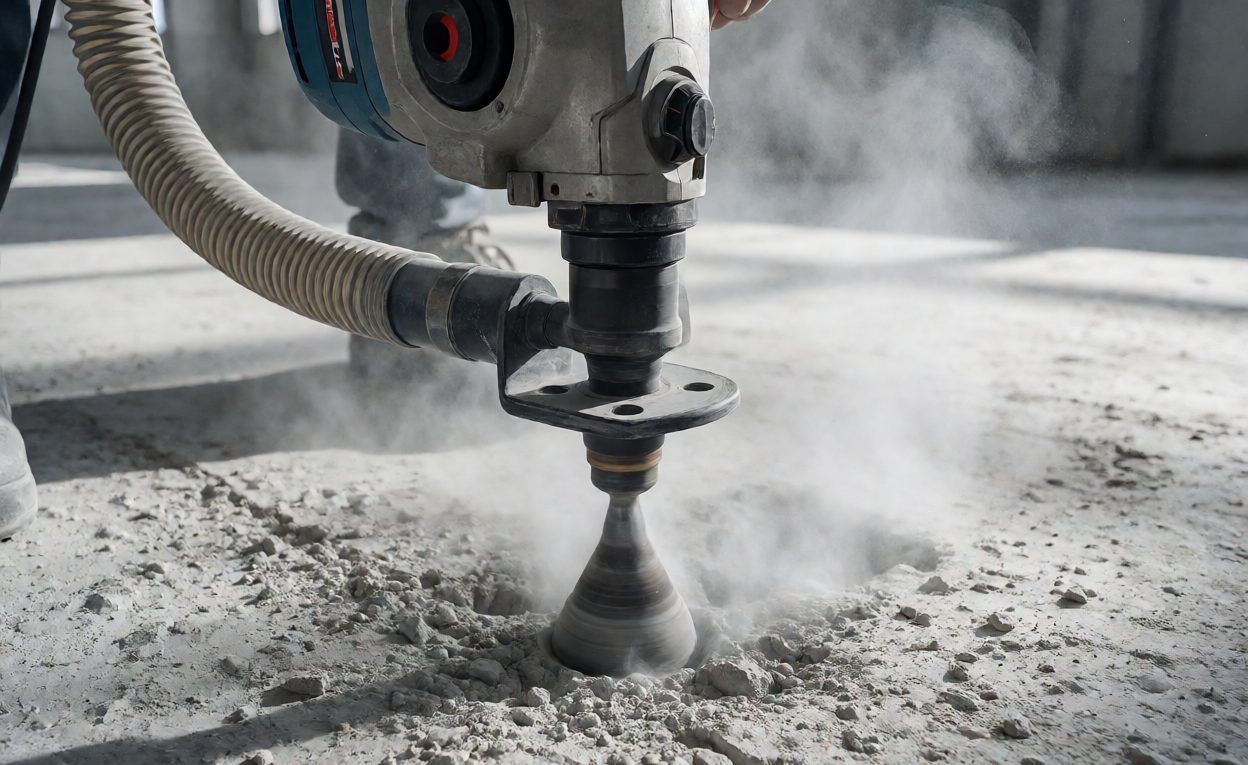
Anchoring converts a heavy machine into a fixed one, and the specification details are what turn it into a routine:
- Bolt type: cast-in anchors where new construction allows, or mechanical expansion and chemical anchors for existing slabs. Each type has different edge-distance and spacing rules that must be respected.
- Positions: taken from the supplier’s foundation drawing, marked on the floor and verified twice before drilling anything.
- Embedment depth and torque: stated values, applied with a calibrated wrench and recorded. Torque figures exist because clamped friction, not the bolt itself, resists machine movement.
- Grouting: many cells sit on levelling feet and grout pads rather than bolted bases; where grouting is specified, the material and the cured thickness both matter.
- Future removal: a cell may move in five years. Choose anchor types that release cleanly, and keep the foundation drawing with the machine file.
Anchor bolt design rules are well codified, and most cell anchoring is straightforward provided the slab is competent and the positions are marked from the drawing rather than from memory. The two failure patterns in practice are rushed marking-out and unrecorded torque – both invisible until something moves.
Vibration: What the Cell Gives and Takes
Vibration cuts both ways. Nearby presses, forges and heavy traffic can disturb a laser process holding a fraction of a millimetre; in the other direction, a cell with a large positioner transmits its own motion into the floor. The specification questions are:
- Site vibration survey: a simple measurement at the planned location, taken at production times rather than weekends, identifies problems while they are still cheap.
- Separation: distance is the cheapest vibration control available, and a layout that keeps the cell away from press lines often solves the problem for nothing.
- Isolation: where separation is impossible, vibration isolation pads or an isolated slab decouple the cell from the building.
- Positioner dynamic loads: large rotary tables impose cyclic loads through the anchors, which is another reason the anchor specification and the slab capacity check belong together.

Sequencing matters as much as any single specification. Slab repairs, drilling, grout curing and anchor torque all need to be complete before the cell arrives, because commissioning crews charge for waiting as surely as for working. Fold the floor works into the installation downtime and cutover plan, and confirm responsibility for each item against the cell scope before contract. Where utilities must arrive on the same schedule, the power and chiller sizing article pairs directly with this one.
Finally, document what was built: as-drilled positions, anchor types, torque records and any slab repairs. Five years later, when the cell moves or a second one arrives, that file converts an unknown into a plan – and it is the difference between an afternoon of reinstallation and a week of archaeology.
Grout, Plinths and Machine Bases
Between the slab and the cell base sits the layer nobody photographs and everybody depends on. Grout transmits load from the base plate into the slab, and a poor grout job – hollow spots, wrong mix, cured too fast – shows up months later as settling that no anchor adjustment fully corrects. Where a cell sits on a plinth rather than directly on the slab, the plinth is an opportunity: it raises the working height, contains spills, and isolates the cell from slab movement. Specify the grout material, the cure time before anchoring is torqued, and who inspects the pour, because these are the details that determine whether the base behaves as designed for ten years or needs rework in year two.
Site Works in the Contract: Who Does What
Foundation scope is where cell projects most often accumulate silent costs. The supplier’s quote usually assumes a slab meeting a stated specification; the buyer’s civil work is priced separately, and the boundary between the two should be in the contract rather than in a conversation. State who surveys the slab, who corrects flatness if it fails, who supplies anchor drawings, and who drills and tests the holes. Where a drawing review step is included – supplier issues bolt positions, buyer confirms against as-built services before drilling – the cost is an hour of coordination and the saving is a rediscovered duct or conduit in the wrong place.
자주 묻는 질문
모든 용접 셀은 특수 기초가 필요합니까?
Usually not. A competent industrial slab that passes the flatness and capacity checks is enough for most cells; problems show up in the checks, not in the rule.
평탄도 허용공차가 어느 정도 기대되어야 하는가?
The supplier states it, commonly a few millimetres over the cell footprint. What matters is that the figure is in writing before delivery.
Can a cell straddle an expansion joint?
No. Joints move under load and temperature, which loads the anchors unevenly and disturbs the process.
Cast-in or chemical anchors?
Cast-in where new construction allows; chemical or mechanical expansion anchors for existing slabs, respecting edge-distance and spacing rules.
Why does anchor torque need recording?
Clamped friction resists movement, and torque is the only verifiable evidence that the clamping was achieved.
How close is too close to a press line?
There is no fixed distance; a simple vibration measurement at production times settles it far better than a rule of thumb.
Who pays for floor repairs?
Normally the buyer, since the slab is theirs. Confirm the split of responsibilities in the installation scope before contract.