
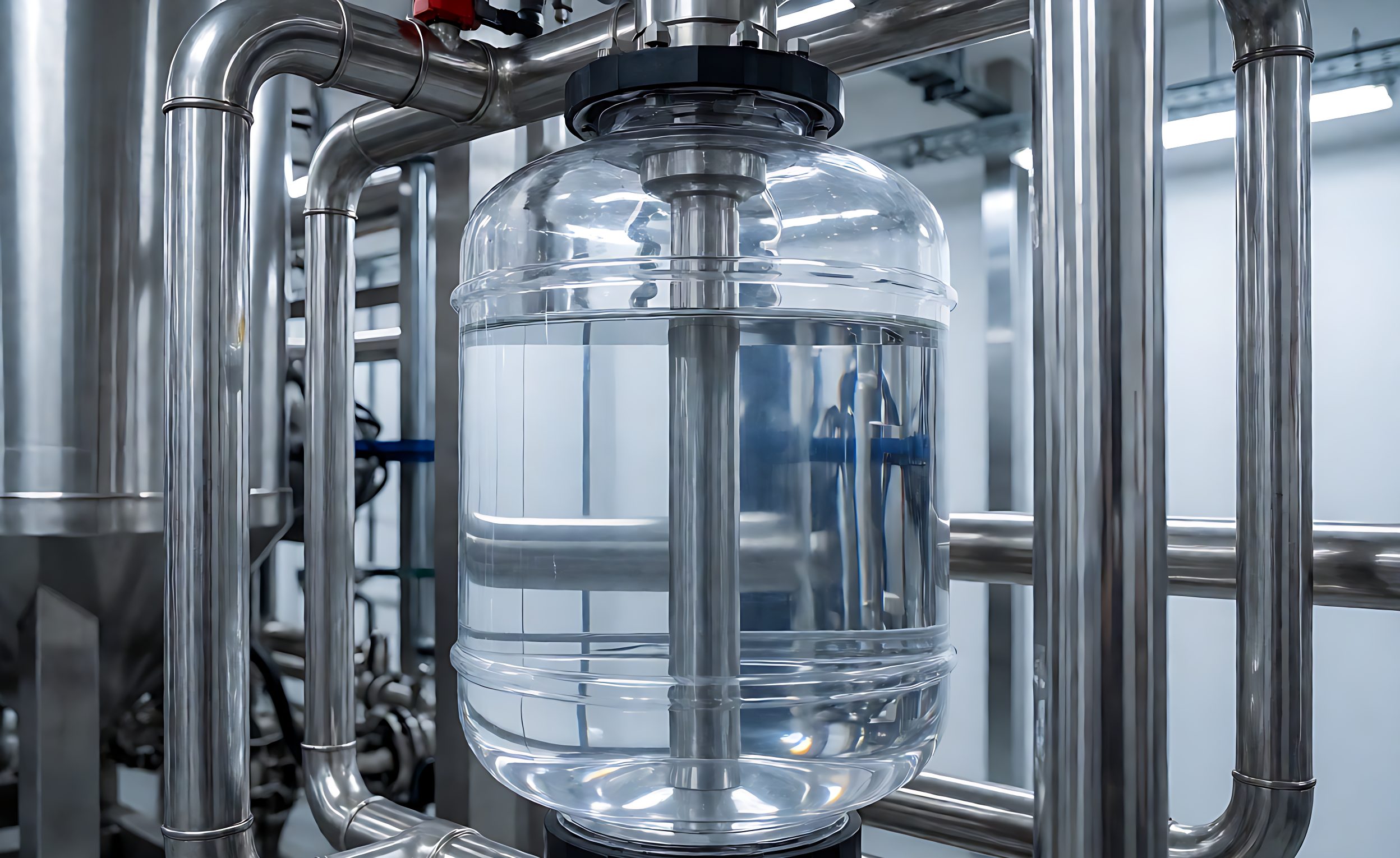
용접 셀 냉각수 수질 및 처리: 바이어 가이드
A welding cell arrives with a chiller, a hose kit and a water specification buried in an appendix, and the appendix is usually the first thing nobody reads. Cooling water looks like a utility: connect it, top it up, forget it. Then a laser source trips on overtemperature in the third month, a flow sensor drifts out of range, or a plate heat exchanger quietly scales up until nobody connects the symptom back to the loop that fed it.
The economics are not subtle. Treatment costs a small fraction of the downtime it prevents, and most of the decisions are made once, at specification time, by whoever writes the enquiry. Four topics cover the whole subject: what the water actually does inside the cell, which parameters are worth specifying, how the loop is treated, and how its condition is monitored afterwards.

What the Cooling Water Actually Does
Most cells have more than one circuit, and the circuits have different requirements. Naming them separately prevents most of the confusion that follows:
- Laser source and optics loop: the critical circuit. It runs cool and clean, and it passes through narrow channels in the source, the delivery fibre assembly and sometimes the welding head, where a thin deposit restricts flow exactly where restriction is least tolerable.
- Process or head cooling loop: where fitted, it runs warmer and tolerates slightly looser chemistry, but it still cannot be filled from a raw mains tap without consequences.
- Plant-side heat rejection: a chiller rejects heat into a plant water loop or into ambient air; where a cooling tower serves the plant loop, that circuit has its own dirtier chemistry and is normally owned by the facility rather than the cell.
- Positioner and fixture circuits: small flows through small channels, and typically the first place deposits appear when a loop is neglected.
Sizing is the other half of the same decision and is settled separately in the power and chiller sizing article; a correctly sized chiller still cannot cool through a scaled exchanger, so both halves belong in the same enquiry.
Parameters Worth Writing Into the Specification
Ask the supplier for a written water specification and copy the same numbers into the maintenance plan. The parameters that genuinely predict trouble are few:
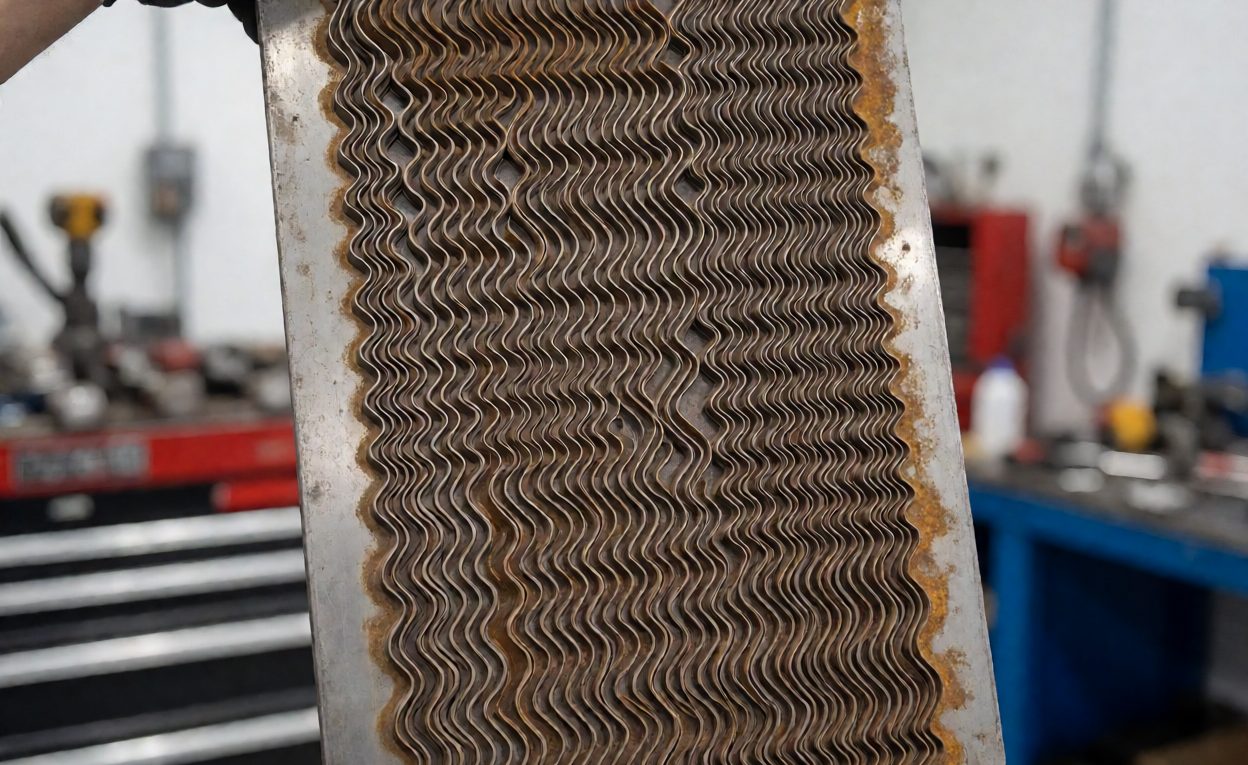
- Hardness: calcium and magnesium deposit on warm surfaces, and hardness is the most common cause of gradual flow restriction in a loop that was filled from a tap.
- Conductivity or total dissolved solids: the fastest single indicator of overall condition and the easiest to trend month to month.
- pH: acidic water attacks metals, alkaline water encourages deposits; most specifications sit near neutral within a narrow band.
- Chlorides: aggressive toward stainless steel and copper alloys, and more so at temperature.
- Particulate: a micron rating for the filter plus a maximum suspended solids figure.
- Microbial content: warm, dark, slow-moving water grows biofilm, which insulates heat-transfer surfaces and sheds debris into narrow channels.
Where the limits should also name the metals in the loop, because a mixed-metal circuit has a narrower safe window than a single-metal one.
Treatment Options, in Order of Cost
Treatment is best bought in the order it pays back, rather than as a single package chosen by habit:
- Fill with the right water: deionised or reverse-osmosis water for the initial fill costs very little per litre and removes most of the problem at the source.
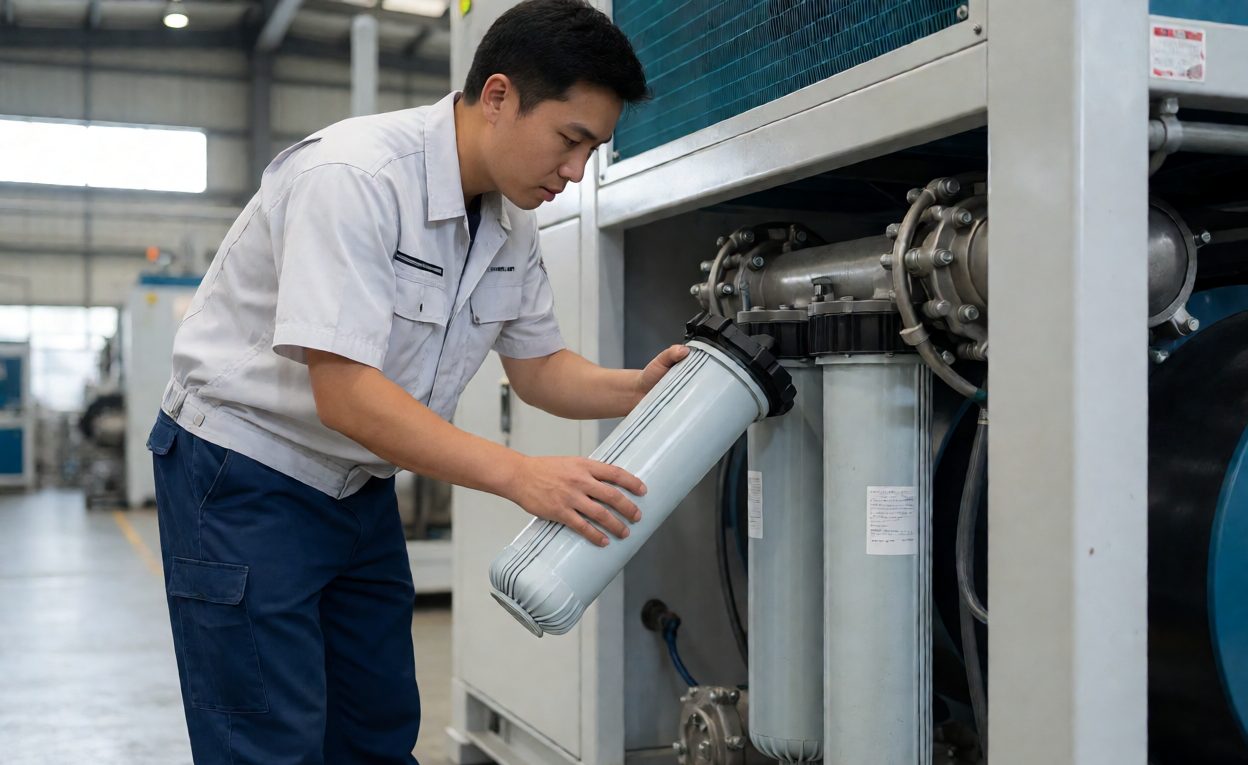
- Inline or side-stream filtration: a cartridge filter on the return line, sized to the flow and changed on a schedule rather than on appearance.
- Inhibitor dosing: a formulated inhibitor matched to the metals present, dosed to a tested concentration rather than guessed.
- Biocide treatment: worth doing where microbial growth has actually been identified, not as a routine precaution.
- Softening or deionising cartridges: justified where make-up water is genuinely hard and top-ups are frequent.
- Partial drain and refill: unglamorous, effective, and cheap compared with a source teardown.
The other half of treatment is preventing corrosion inside the loop, which is what inhibitor choice is really about. A loop that neither scales nor corrodes stays within its specification for years; one that does either will drift long before anyone notices on the shop floor, because the symptom is a slightly higher temperature reading rather than an obvious fault.
Monitoring and the Routine That Holds It
A specification without a routine is a document. What keeps the loop healthy is a short schedule with named owners:
- 매주: level, visible leaks, filter differential and a conductivity reading logged in one place.
- 분기별: water sample for analysis, inhibitor concentration check, strainer clean.
- 연 1회: drain, flush, inspect the exchanger and any wetted sensors, refill with treated water and record it.
- After any repair: re-test before the cell returns to production, because opening a loop introduces both dirt and air.
Records belong with the cell, not in someone’s memory. A single-page log at the chiller, with date, conductivity, top-up volume and any work done, converts water from a suspicion into a measured variable. The chiller maintenance article covers the mechanical side of the same routine, and the 첫해 예비 부품 키트 article explains why filters, seals and a spare flow sensor should be on the shelf before they are needed.
Two practical points close the subject. First, decide ownership: the cell loop is usually the buyer’s responsibility once commissioning ends, and that split should be written into the installation requirements rather than discovered during the first warranty claim. Second, treat top-ups as dosing events – a loop topped up weekly with raw water is being dosed with hardness weekly, which is why small hand-held units have their own guidance in the cooling water chiller article.
자주 묻는 질문
Can a welding cell run on mains water?
Rarely for long. Treated or deionised fill water is cheap insurance against scale, deposits and gradual flow loss.
Which water parameter matters most?
Conductivity, because it moves when anything else changes and can be trended cheaply week by week.
How often should the loop be drained and refilled?
Usually annually, or sooner if conductivity, pH or inhibitor concentration drift outside the specification band.
Do we need a biocide?
Only where microbial growth has been identified. Treat the cause rather than dosing as a precaution.
Who owns the cooling water specification?
Normally the buyer after commissioning. Confirm the split and the fill water supply before contract.
What are the early symptoms of bad water?
Rising operating temperature, falling flow, nuisance overtemperature alarms and deposits visible at the strainer.
Should filters be changed on a schedule?
Yes, on differential pressure or elapsed hours. Judging a filter by appearance almost always means changing it late.