
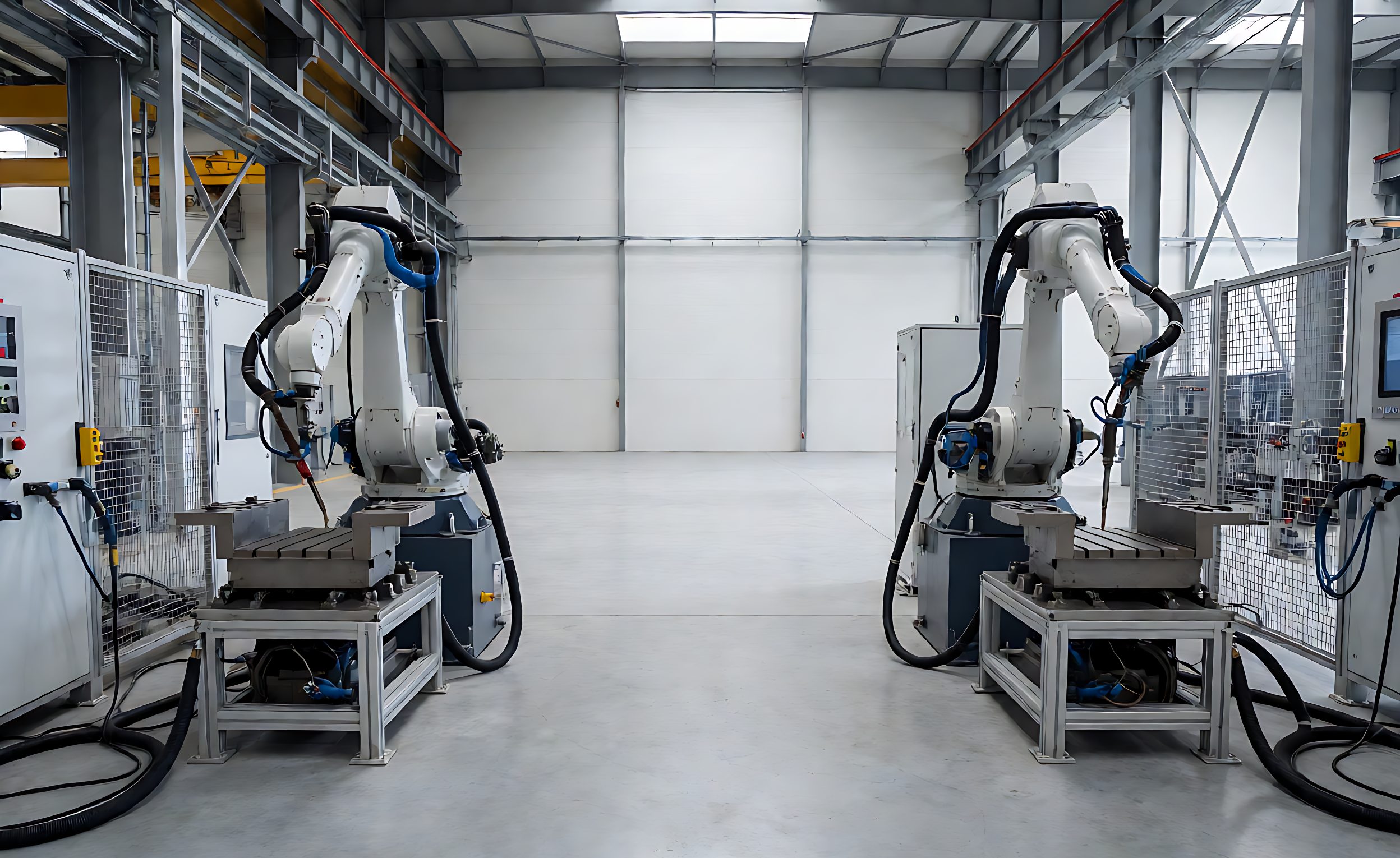
멀티셀 확장 계획: 공유 서비스 및 레이아웃
The second welding cell is a different project from the first, and the difference is not the machine. The first cell taught the organisation what a cell needs; the second cell either benefits from that knowledge or repeats every early mistake at double scale. The decisions that were one-offs for the first cell – utilities, spares, training, the layout of the aisle – become standards from the second cell onward, and the cheapest time to set those standards is before the second purchase order, not after it arrives.
Expansion planning starts with the unglamorous layer: where services run, what is shared, and how the floor is organised. The economies of scale argument for multi-cell installations rests almost entirely on that shared layer, and it is real – but only if it was designed as shared rather than accumulated by accident.

Layout Before Procurement
Draw the floor with three cells before buying the second. The drawing does not need to commit to a third cell; it needs to reserve the space and, more importantly, reserve the service routes.
- Cell spacing: leave access for fixture change, crane access and maintenance clearance, not just the footprint. Cells placed for minimum initial floor area are cells that cannot be serviced without stopping the neighbour.
- Service corridors: route electrical, chilled water, gas and extraction in shared trunking along planned corridors, so cell three connects to a distribution point rather than crossing the floor from a new source.
- Logistics flow: raw parts in, finished welds out, without crossing another cell’s operator path. Material handling congestion is the most common hidden constraint in multi-cell shops.
- Expansion direction: decide which side the floor grows toward, and keep the reserved area clear of anything hard to move.
그만큼 installation requirements article lists what a single cell needs from the building; the multi-cell version of that list is the same items with a shared capacity column added, and it should exist as a living document before cell two is ordered.
Shared Utilities: Size Once, Diversify Carefully
Utilities are where shared infrastructure earns its keep, and where it also concentrates risk. The power and chiller sizing article covers single-cell sizing; the multi-cell version has two additional decisions.
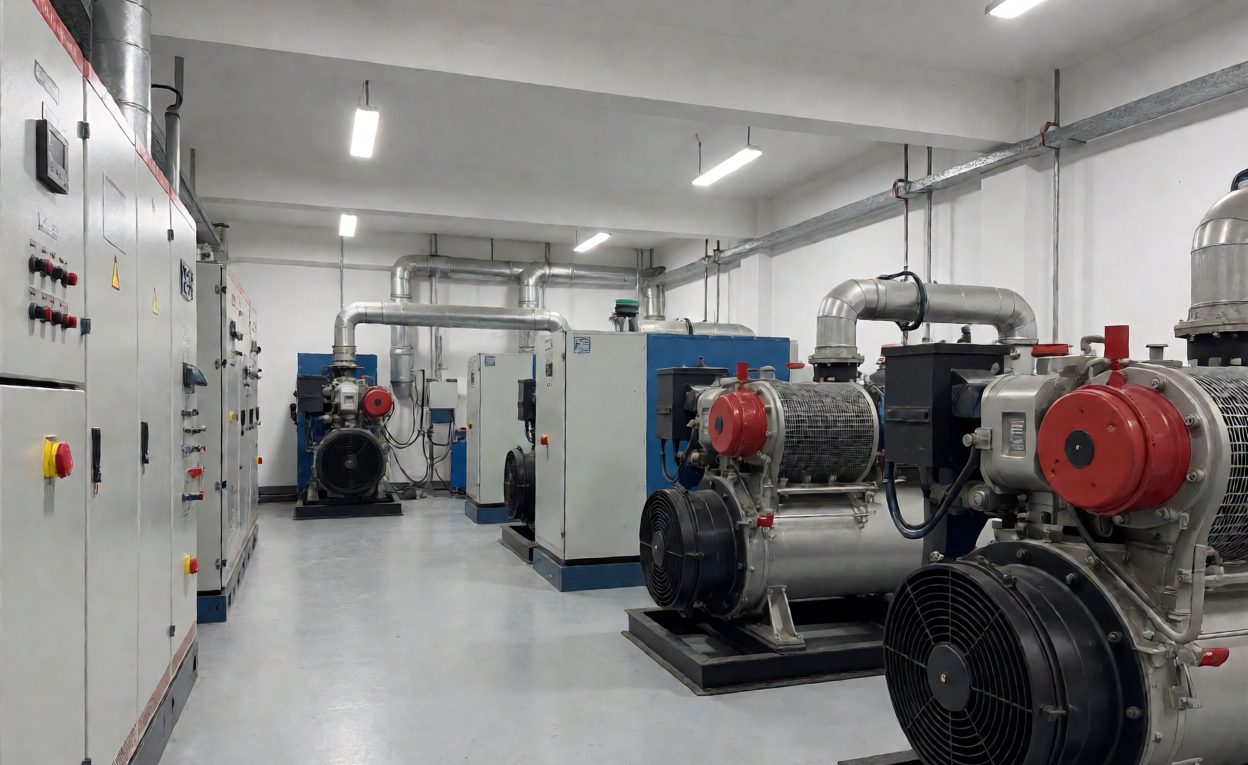
First, what to share. Electrical supply to a shared distribution board, a common chilled water loop served by grouped chillers, and central extraction all reduce per-cell cost and simplify maintenance. Second, what not to share, or to share with deliberate redundancy: a single chiller serving three cells is a single point of failure worth three cells of downtime, and the redundancy answer – N plus one machines, or an oversized loop with valving that isolates a failed unit – is far cheaper bought at design time than retrofitted after the first summer failure. Grouped chillers with isolation valves, dual extraction fans on a common duct, and electrical headroom on the board are the three standard provisions.
Capacity utilization of the shared layer deserves its own check: services sized for two cells but not three are the most common expansion surprise, because adding cell three is decided in a sales meeting and the chiller capacity is a plant room fact.
Spares, Tooling Standards and the Second Cell’s Specification
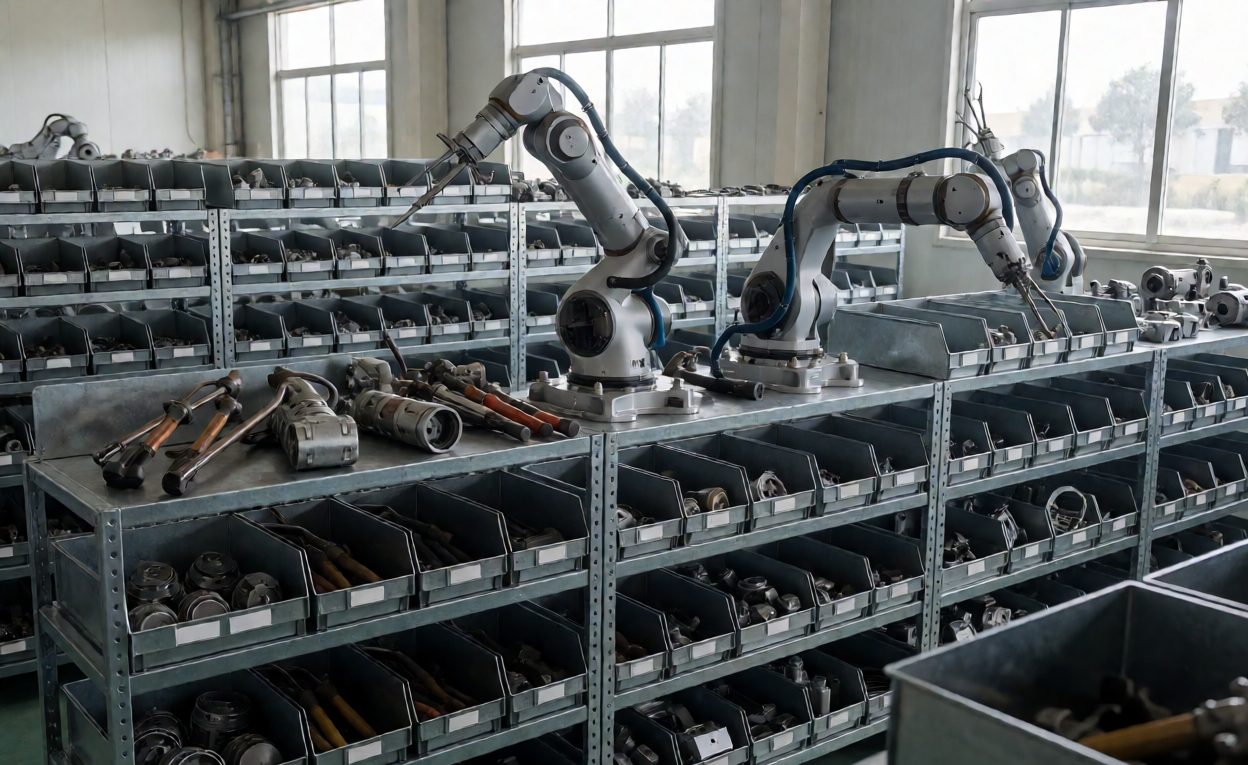
A fleet of cells changes the spares logic. For one cell, the first-year spares kit is the answer; for three cells, pooled stock is cheaper than three complete kits, provided the pool is managed. Protective windows, nozzles, drive rolls and filters are consumed in proportion to duty, so a shared bin system with minimum levels works well. What should not be pooled casually is anything that varies between cells – if cell two’s laser source differs from cell one’s, the spares list quietly doubles, and standardizing source brand, head model and fixture interfaces across the fleet is worth real money even when the unit price of a slightly different machine looks marginally better.
Tooling belongs to the same decision. If cell two runs the same part families, fixture interfaces should match cell one so fixtures can move between cells and the tooling scope and spares article applies fleet-wide. If it runs new parts, the fixture standard – datums, clamp style, pallet interface – should still match, because the programming and maintenance knowledge transfers with it.
Phasing, Staffing and Cutover
Installation sequencing matters more than in a single-cell project, because production continues throughout. The cutover planning article covers the mechanics of installing without stopping production; the multi-cell addition is simply to sequence shared-service work so that tie-ins to the shared board, chiller loop and extraction happen during planned windows rather than emergency ones. Where a turnkey delivery is considered for cell two, the turnkey line article discusses when a single responsible supplier shortens multi-cell projects – usually when the shared services are part of their scope.
Staffing scales differently from hardware. Two cells do not necessarily need two full-time operators if loading is overlapped, but they do need a maintenance capability that one cell could survive without. Plan for a technician who owns the fleet, a spares steward – even part time – and training that treats the cells as one system with two stations rather than two unrelated machines. Teams that plan the human layer at the same time as the utilities commission cell two in half the time of cell one, and that difference compounds at every subsequent cell. The expansion that feels risky is usually the one planned only as machinery; the one planned as a system – services, standards, spares and people – is routine.
자주 묻는 질문
두 번째 셀이 첫 번째 셀을 복제해야 합니까?
Usually yes where it matters: same source brand, head model and fixture interface. Standardization across a fleet saves spares, training and programming effort.
What should be shared between cells?
Electrical distribution, a grouped chilled water loop and central extraction, each with designed redundancy and isolation valves.
What is the biggest single-point failure risk?
A single chiller or extraction fan serving multiple cells. Redundancy is far cheaper at design time than after the first summer failure.
How much space should be reserved?
Draw three cells before buying the second, including maintenance access, crane routes and material flow, not just machine footprints.
How does spares management change with multiple cells?
Pooled stock with minimum levels is cheaper than per-cell kits, provided identical equipment keeps the pool small.
Can production continue during expansion?
Yes, if shared-service tie-ins are sequenced into planned windows as described in cutover planning, rather than improvised shutdowns.
Does the second cell need its own operator?
Not always – overlapped loading can share operators – but a fleet needs a maintenance technician and managed spares that one cell could skip.