
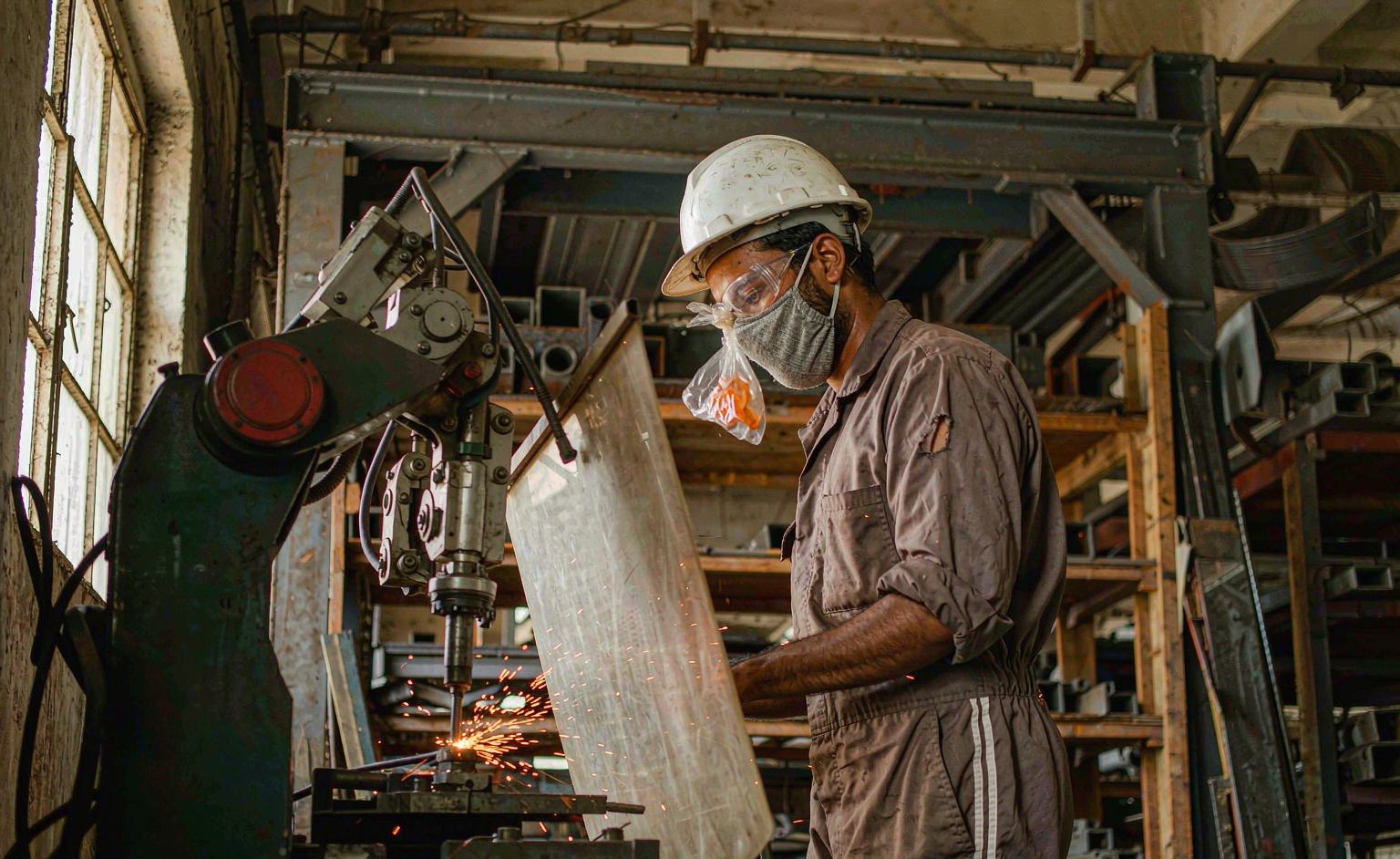
인도 시장을 위한 레이저 용접 로봇: 출력, 서비스 및 규정 준수
India’s metalworking and automotive supply chains are moving up the value chain, and laser welding robots are part of that shift. But the Indian market is not a copy of the European or Chinese one: power quality varies, service proximity decides uptime, and compliance paperwork is its own project. Suppliers who ship a cell built for a stable grid and a local service team nearby often watch it underperform or sit idle.
Key Takeaways
- Power quality varies; cells need conditioning and headroom, not just the right voltage.
- Local service and spares stock decide uptime more than the robot’s spec sheet.
- BIS marking and laser safety compliance are entry requirements, not nice-to-haves.
- Total cost of ownership, not purchase price, wins deals in this market.
- A support model with trained local partners beats a distant factory warranty.
Power Quality and Conditioning
Indian industrial power can swing in voltage and suffer interruptions that a sensitive laser source dislikes.
| Issue | Effect on cell | Mitigation |
|---|---|---|
| Voltage fluctuation | Source faults or derates | Conditioning, stabiliser |
| Phase imbalance | Three-phase equipment stress | Balanced supply, monitor |
| Outages | Lost production, restarts | UPS for controls |
The cell must be specified for the site’s actual power, not a nominal rating. Conditioning and stabilisation are part of the installation, which is detailed in our installation requirements guide.
Service, Spares and Compliance
A cell is only as good as the support around it once the warranty period ends.
| 요인 | Why it decides deals | Risk if missing |
|---|---|---|
| Local spares | Cut downtime from weeks to days | Long idle waits |
| Trained partners | Fast, competent service | Botched repairs |
| BIS marking | Market entry requirement | Blocked at customs or audit |
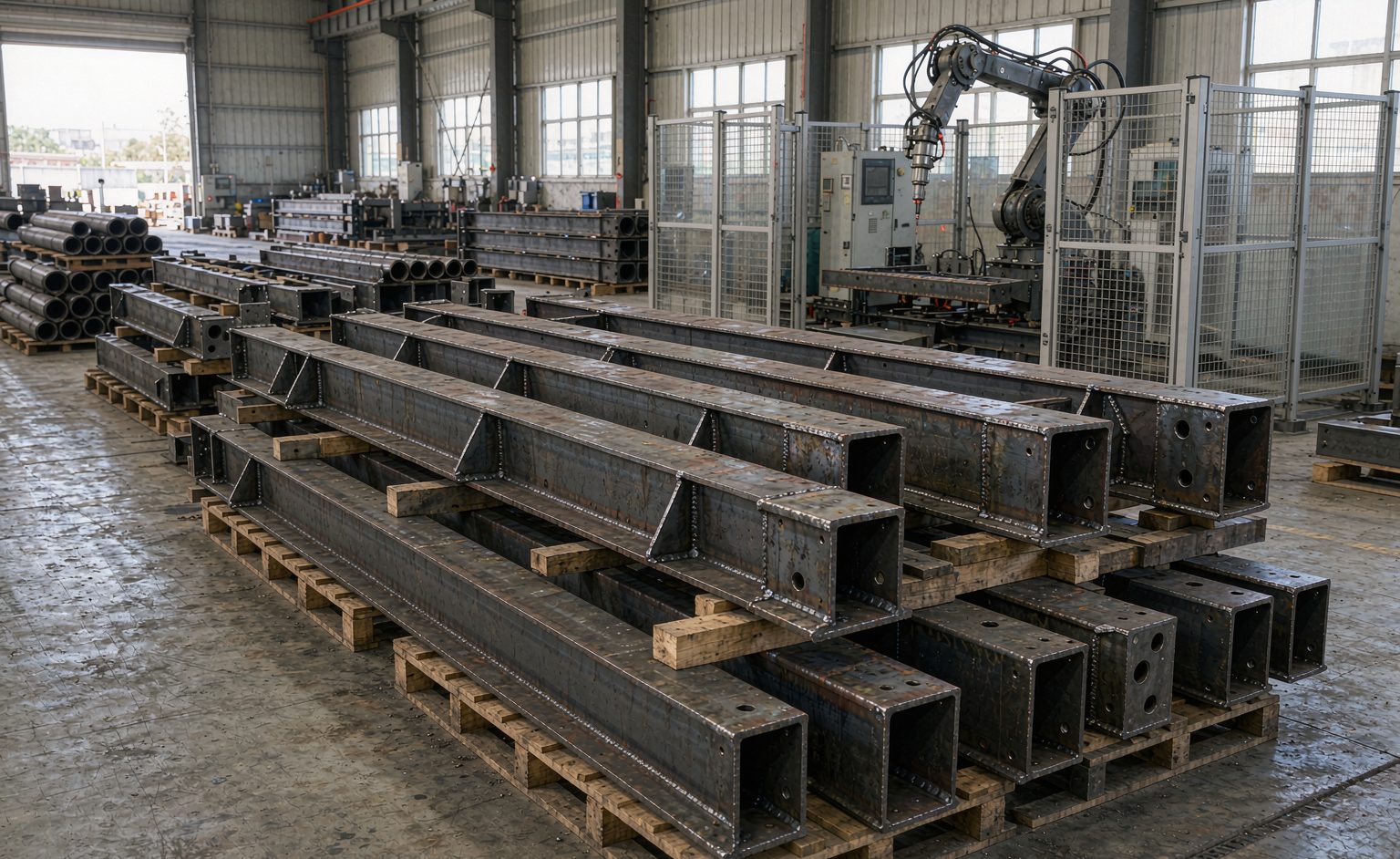
Compliance is not box-ticking: BIS and laser safety documentation are required to operate, and a turnkey line must arrive with them complete, as covered in our turnkey line guide. The same service logic applies across the region, including our Southeast Asia market guide.
TCO and the Support Model
Indian buyers evaluate on total cost of ownership, and uptime is the largest variable in it.
| Cost element | Impact | How to win |
|---|---|---|
| Purchase price | Visible, negotiable | Not the decider alone |
| Downtime | Hidden, large | Local spares and service |
| Power conditioning | Recurring | Specify upfront |
A distant factory warranty looks cheap until the first fault takes three weeks to resolve. A support model with trained local partners and spares stock is what actually lowers TCO, and it is the difference between a reference site and a stranded one.
자주 묻는 질문
인도의 레이저 셀에 영향을 미치는 전력 문제는 무엇인가요?
Voltage fluctuation, phase imbalance and outages. The cell must be specified for the site’s real power with conditioning and stabilisation, not a nominal rating.
왜 지역 서비스가 그렇게 중요한가?
가동 시간이 TCO에서 가장 큰 비중을 차지하기 때문입니다. 원거리 보증은 고장을 3주간의 무가동 상태로 만들 수 있지만, 현지 파트너와 부품을 활용하면 이를 며칠로 단축할 수 있습니다.
BIS 마킹이 필수인가요?
Yes, it is a market entry requirement, not optional. Together with laser safety documentation it is needed to operate and to pass audits.
이 시장에서 거래 성사에 결정적인 요인은 무엇인가?
Total cost of ownership, not purchase price. Buyers weigh uptime, power conditioning and support, and a strong local support model beats a low sticker price.
예비 부품은 어떻게 관리해야 합니까?
Stock critical spares locally or with a regional partner so faults are resolved in days. Relying on factory shipment turns minor faults into long idle periods.
지지 모델이 다른 시장과 다른가요?
The principles are the same as in Southeast Asia, but the local partner ecosystem and compliance paperwork are specific. A regional support plan is what keeps cells running.
가장 큰 배포 리스크는 무엇인가요?
안정적인 전력망과 근접 서비스 지원을 고려해 설계된 셀을 출하한 후, 실제 사이트의 전력 및 지원이 계획되지 않아 성능 저하나 유휴 상태가 되는 것을 지켜보는 사례.
Technical background: manufacturing in India, 자동화 과 supply chain explain the market and operations context referenced above.