
溶接ロボット用ツールと治具:範囲、所有権および予備部品
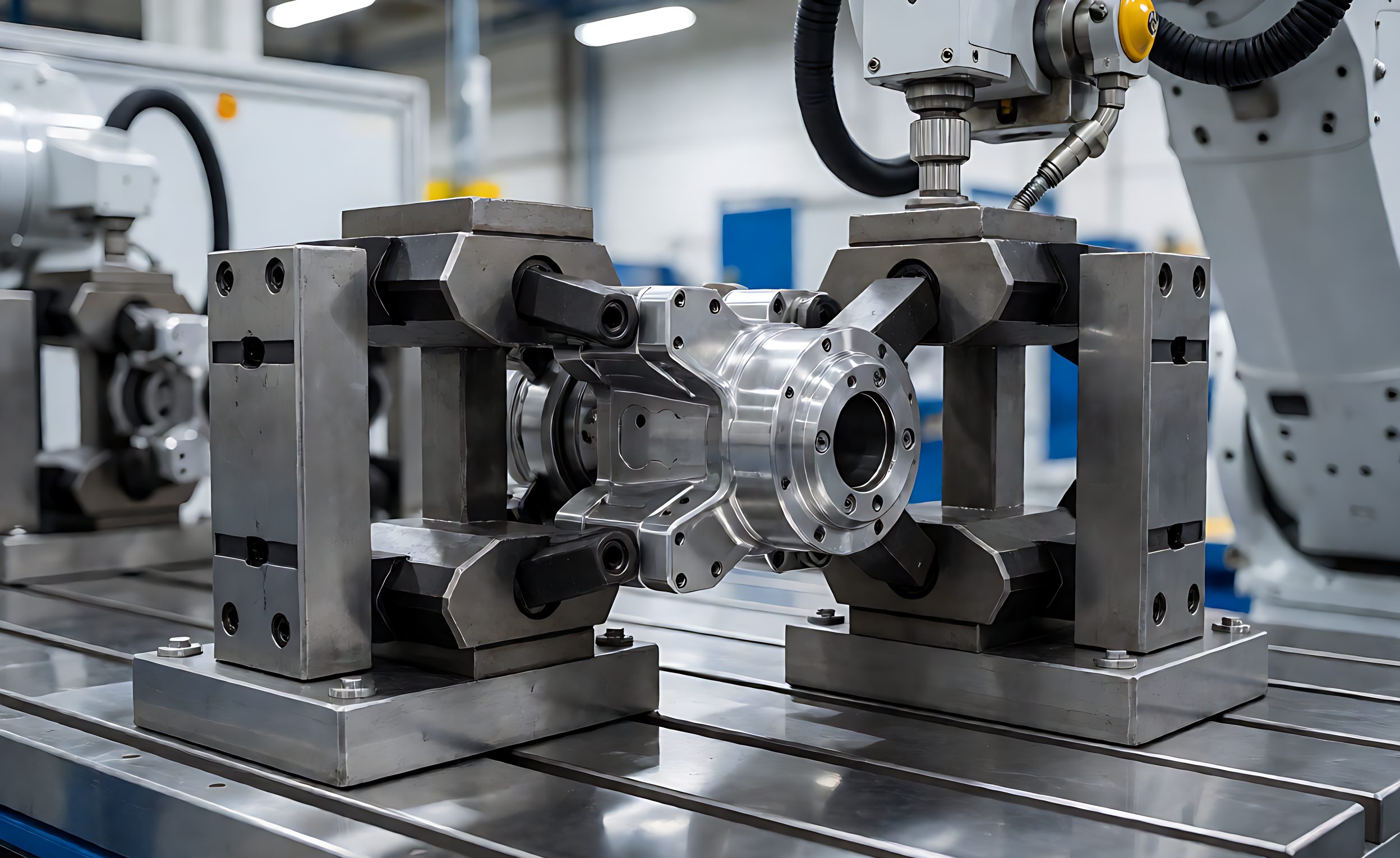
Tooling is where a robotic welding project either runs smoothly or turns into a series of small arguments. The cell arrives, the robot is capable, the laser is stable – and the parts do not sit where the programme expects them to. The argument that follows is rarely about competence; it is about a scope boundary that was never written down.
Three questions decide whether tooling is a solved problem or a recurring one: who designs it, what the scope includes, and how many spares exist.
Who Designs the Fixture
There are three workable allocations, and each has a different failure mode.
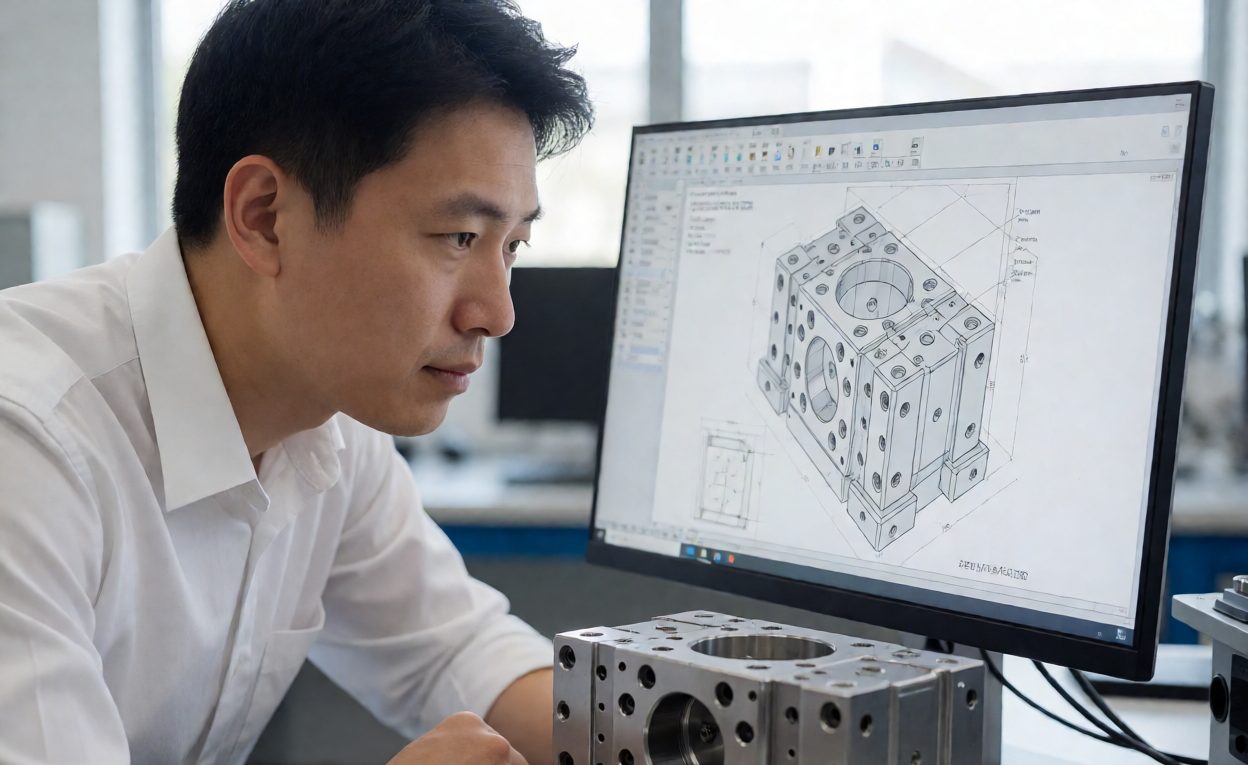
- Supplier designs and builds: cleanest single-point responsibility, because the same party owns fit-up tolerance, programme and cycle time. The risk is that the buyer’s production variation is not fully understood by the designer.
- Buyer designs, supplier builds: works well when the buyer already has proven fixtures for the same part family. Requires the supplier to accept drawings and to state what they will guarantee given those drawings.
- Third-party toolmaker: common and workable, but it creates an interface. Someone must own the overall result – usually the cell supplier, who should be contractually able to require changes.
Whichever applies, the critical clause is the guarantee boundary. If the supplier guarantees cycle time and weld quality, they must have the authority to specify the fixture. If they do not, the guarantee should be limited explicitly to what they control, and the buyer should not expect them to fix fit-up problems for free.
What a Tooling Scope Should Include
A tooling scope that says “fixture for part X” will produce disputes. A workable scope itemises the following:
- Datum and clamping scheme: how the part is located, and which surfaces are datum. This is the single most consequential decision in the fixture.
- Fit-up tolerance assumed: stated numerically. Tolerance drives whether seam tracking is required, and the joint design and fit-up guide explains how quickly a loose tolerance consumes cycle time.
- Changeover method: manual clamps, pneumatic, or quick-change pallets – and the changeover time target.
- Part variants covered: one fixture or a family set, and how variants are identified to the robot.
- Wear surfaces: which elements are replaceable, and whether they are standard parts or bespoke.
- Documentation: drawings supplied to the buyer, and whether the buyer may manufacture replacements independently.
The last item is the one buyers forget and later regret. If drawings are not supplied, every replacement fixture has to come from the original toolmaker at whatever price and lead time applies at the time.
How Many Spare Fixtures to Buy
The instinct is to buy one and see how it wears. That is usually right for a low-volume cell and usually wrong for a high-duty one, because fixture wear is gradual and the failure appears as dimensional drift rather than breakage – parts start failing inspection rather than the fixture visibly breaking.

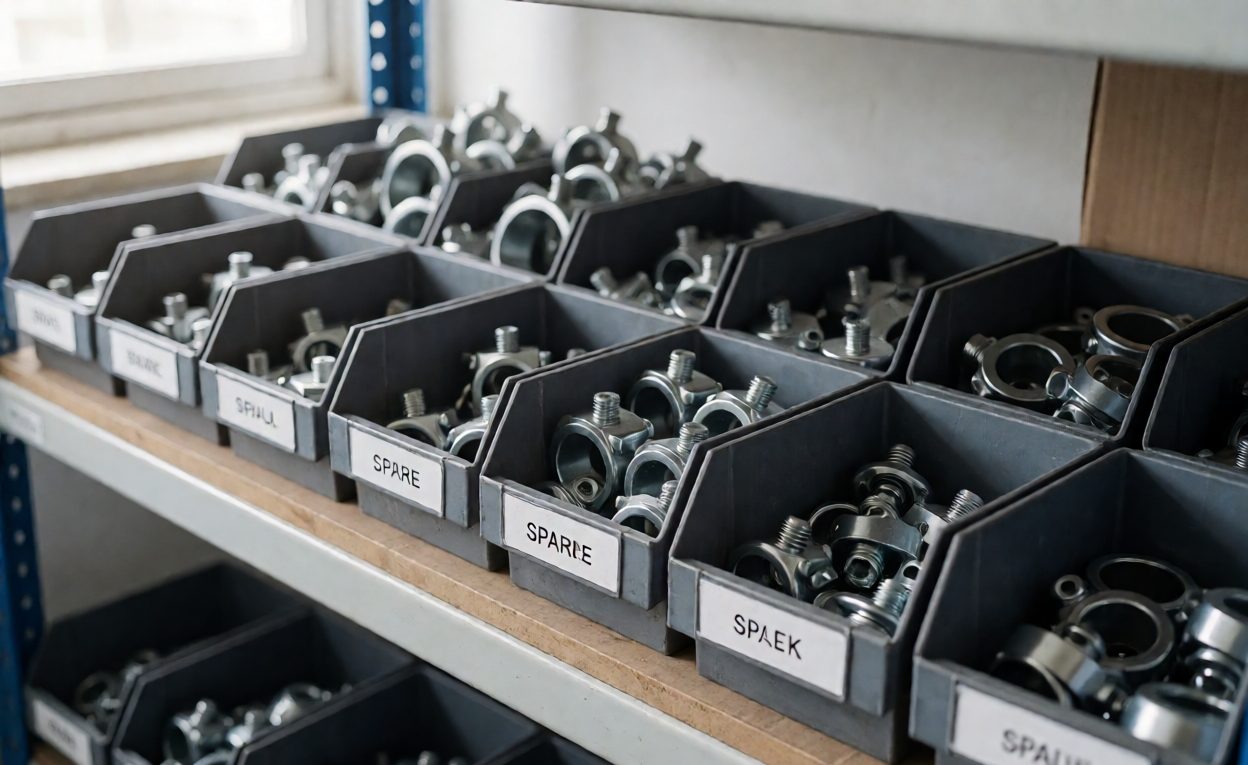
- Wear-item spares: clamps, locators, bushes and springs. Buy multiples; these are cheap and are the items that actually stop production.
- Second complete fixture: justified when the cell runs multi-shift, when the part is committed to a customer deadline, or when lead time for a replacement exceeds a few weeks.
- Calibration reference: a documented check procedure and, ideally, a reference part so that drift can be detected before it reaches inspection.
Clauses That Prevent the Usual Disputes
Four short clauses remove most tooling arguments, and all are easy to agree before manufacture:
- Sample part basis: the fixture is designed against parts supplied by the buyer on a stated date, with a stated condition. If production parts differ, that is a change.
- Acceptance on parts: fixture acceptance is demonstrated by running a defined number of real parts to the agreed quality standard, not by dimensional inspection alone.
- Change procedure: how a design change is requested, priced and scheduled after sign-off.
- Spares and drawings: what is delivered at handover, in what format, and with what manufacturing rights.
Where a cell uses seam tracking, the tooling and tracking decisions are inseparable – the seam tracking article covers how tracking compensates for variation and what it costs. And because tooling lead time often sits on the critical path, it belongs in the quotation comparison as a named line rather than an assumption. Jigs and fixtures have been standard manufacturing practice for a century; the novelty in robotic cells is only that the tolerance requirements are tighter and the consequences of drift are faster.
Two standards questions are worth settling early. Whether the fixture must be verified on a defined interval, and who performs it – calibration of location elements is what turns a drift into a detected drift rather than a quality escape. And whether fixture materials are compatible with the process: spatter adhesion, heat exposure and cleaning agents all shorten fixture life, and tool steel selection for wear surfaces is a cheap decision made at design time and an expensive one made after a fixture has worn.
よくある質問
溶接治具の設計を行うべき人は誰か?
Usually the cell supplier, because they own cycle time and weld quality. If the buyer designs, the supplier’s guarantee should be limited to what they control.
最も重要な設備の決定とは?
The datum and clamping scheme. It determines whether parts repeat where the programme expects them.
図面は買い主に提供すべきか?
Yes. Without them, every replacement has to come from the original toolmaker at their price and lead time.
必要予備フィクスチャーはいくつですか?
Multiples of wear items always; a second complete fixture for multi-shift, deadline-critical or long-lead-time work.
ツールはサイクルタイムにどのように影響を与えますか?
Fit-up tolerance and clamp design determine whether seam tracking is needed and how much of the cycle is spent compensating.
How is fixture drift detected?
By a documented check procedure against a reference part, before drift reaches final inspection.
Should fixture acceptance use real parts?
Yes. Run a defined number of production parts to the agreed quality standard rather than inspecting dimensions alone.