CO2レーザー溶接とファイバーレーザー溶接:違いは何?

電気制御キャビネット

CO2レーザー溶接とファイバーレーザー溶接:違いは何?

When choosing a laser welding system, one question often comes up: CO2 laser or fiber laser?

Both technologies use laser energy for welding, but they are different in terms of laser source, system design and typical applications.

For most modern metal welding applications, fiber laser welding has become a common choice, especially when automation and robotic integration are required.

CO2 Laser Welding

CO2 lasers have been used in industrial applications for many years.

They are still used in some specific processes where existing equipment and production requirements match this technology.

However, for metal welding, CO2 laser systems usually require more complex optical components and are less convenient for integration with robotic welding systems.

ファイバーレーザー溶接

Fiber laser welding is now widely used in metal fabrication and industrial automation.

Compared with CO2 laser systems, fiber lasers offer:

  • More compact design
  • Lower maintenance requirements
  • Better energy efficiency
  • Easier integration with robots

Fiber laser welding is commonly applied to:

  • Stainless steel parts
  • Aluminum components
  • Automotive parts
  • Sheet metal products
  • Industrial equipment

For manufacturers planning to automate their welding process, fiber laser is often a practical choice.

Which One Should You Choose?

The answer depends on the application.

Before selecting a laser welding system, it is important to check:

  • Material type and thickness
  • Weld requirements
  • 生産量
  • Whether robotic automation is needed

In many robotic welding projects, the laser source is only one part of the system. Robot selection, fixture design and welding process adjustment also affect the final result.

Fiber Laser Welding in Robotic Automation

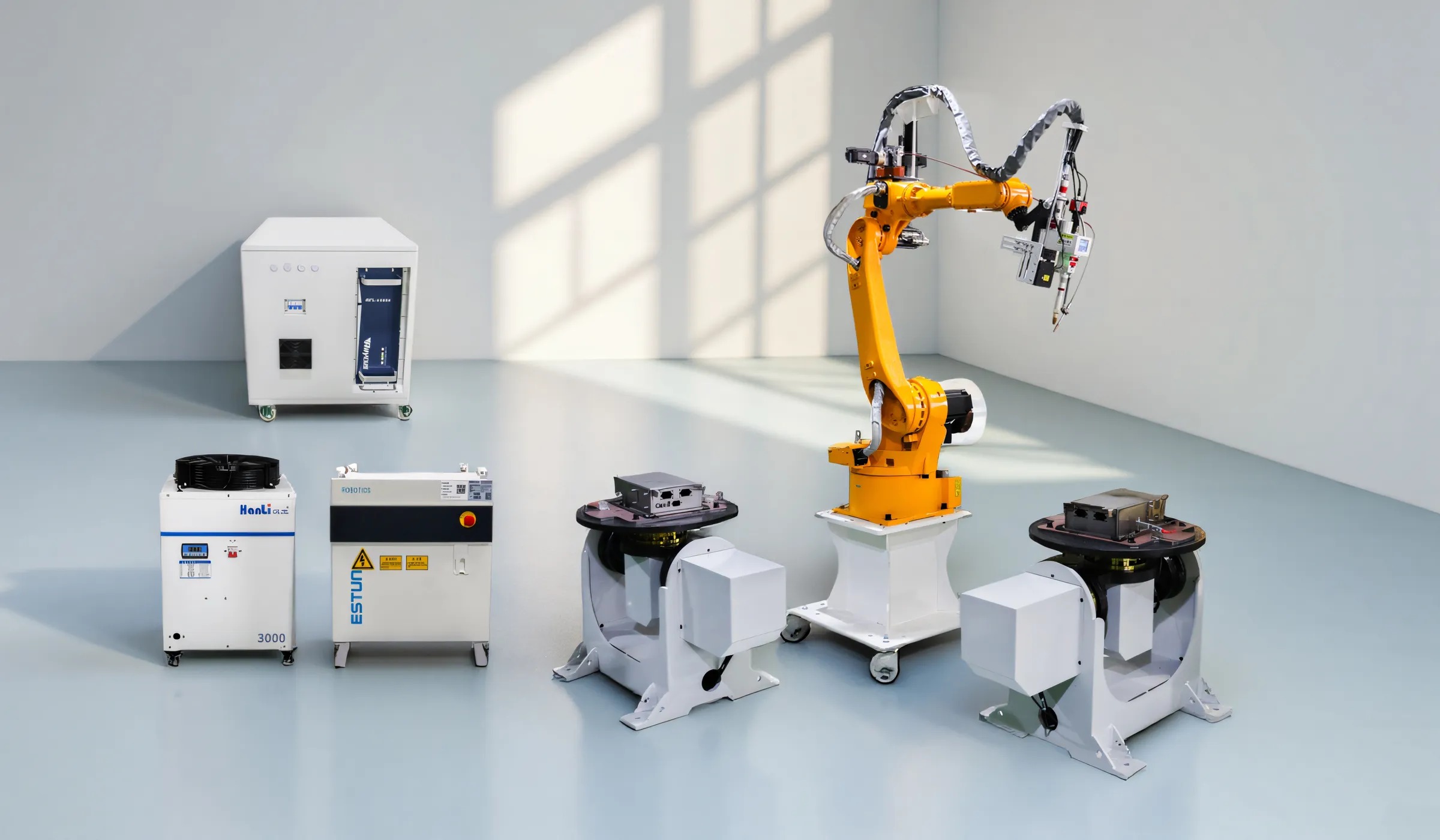
A robotic fiber laser welding system usually combines:

  • Industrial robot
  • Fiber laser source
  • Welding head
  • Customized fixture
  • Control system

This combination allows manufacturers to improve welding consistency and reduce dependence on manual operation.

At TrueSyn Laser, we focus on customized robotic laser welding solutions, helping manufacturers integrate laser technology with automation systems based on their production needs.