
Instalar una célula de soldadura sin detener la producción: Planificación de la migración
The cell is delivered in weeks and physically installed in days. That part is rarely the problem. The problem is the production that does not happen while it is being installed, and the weeks of reduced output afterwards while the process settles. Buyers who budget only for the machine consistently underestimate the true cost of the changeover.
Cutover planning is the discipline of deciding in advance what stops, for how long, and what covers the gap. It is unglamorous, and it is the difference between a project that lands cleanly and one that damages customer relationships for a quarter.
What Actually Consumes Time
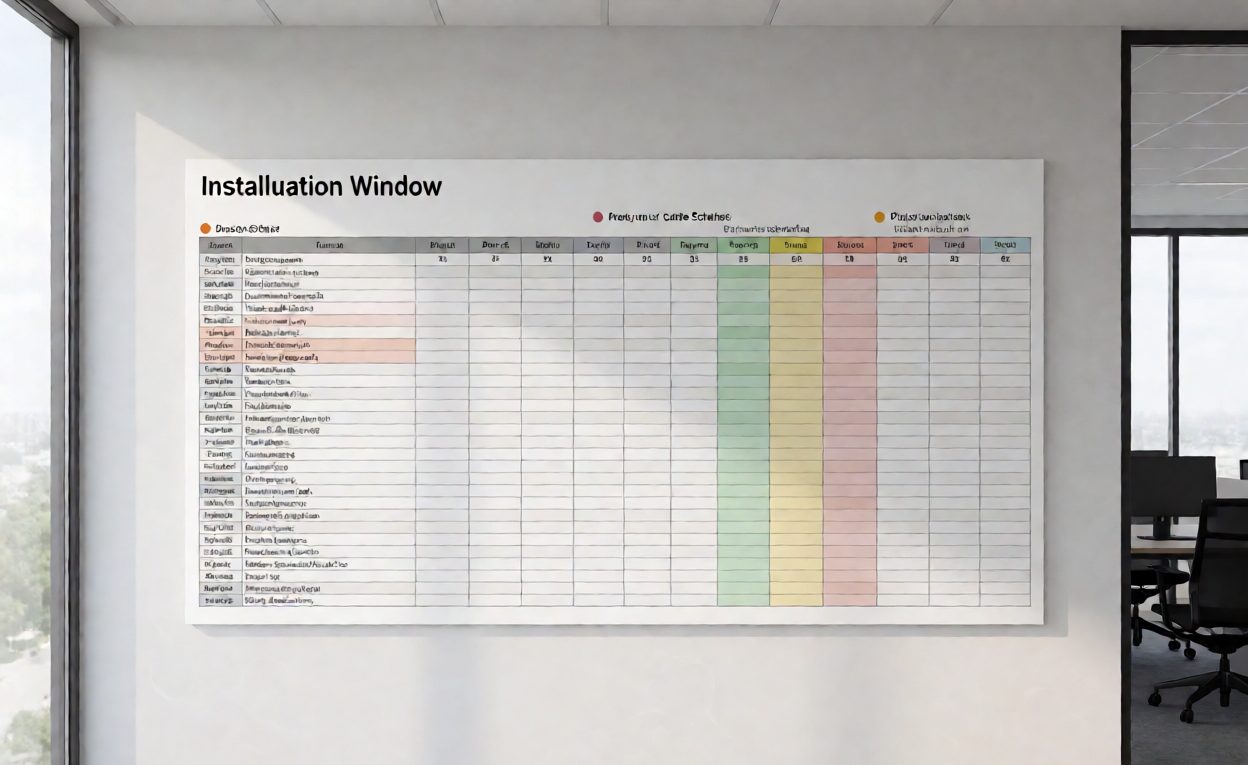
Installation is only one element of the outage. The full sequence usually contains five phases, and the last two are the ones nobody schedules.
- Decommissioning: removing existing equipment, services and any foundations. Includes making the area safe.
- Services and preparation: power, cooling, air, extraction and floor work. These are frequently the longest item and are the buyer’s responsibility.
- Mechanical installation: positioning, anchoring, levelling. Usually the shortest phase.
- Commissioning and programme proving: first parts, parameter development, and running enough parts to trust the process.
- Ramp-up: the period after handover during which output climbs to target. This is where the real production loss hides, and it is almost never in the plan.
Choosing a Cutover Strategy
There are three practical strategies, and the right one depends on how much buffer the operation can build and how much floor space exists.
- Big-bang cutover: stop the old process, install, commission, restart. Shortest calendar time, highest concentration of risk. Appropriate when the old process is already at capacity and buffer is easy to build.
- Parallel running: keep the old process running while the new cell is installed and proven elsewhere, then switch. Requires space and some duplicate labour, but it removes most of the risk. Usually the right answer when the part is committed to a customer deadline.
- Phased migration: move part families one at a time. Slower overall, but each step is reversible and the learning accumulates. Best when the cell will run a wide mix.
The choice is a commercial decision as much as a technical one: it depends on the cost of a missed delivery versus the cost of carrying buffer stock and duplicate setup. Both should be quantified before deciding.
Building Buffer and Protecting Delivery
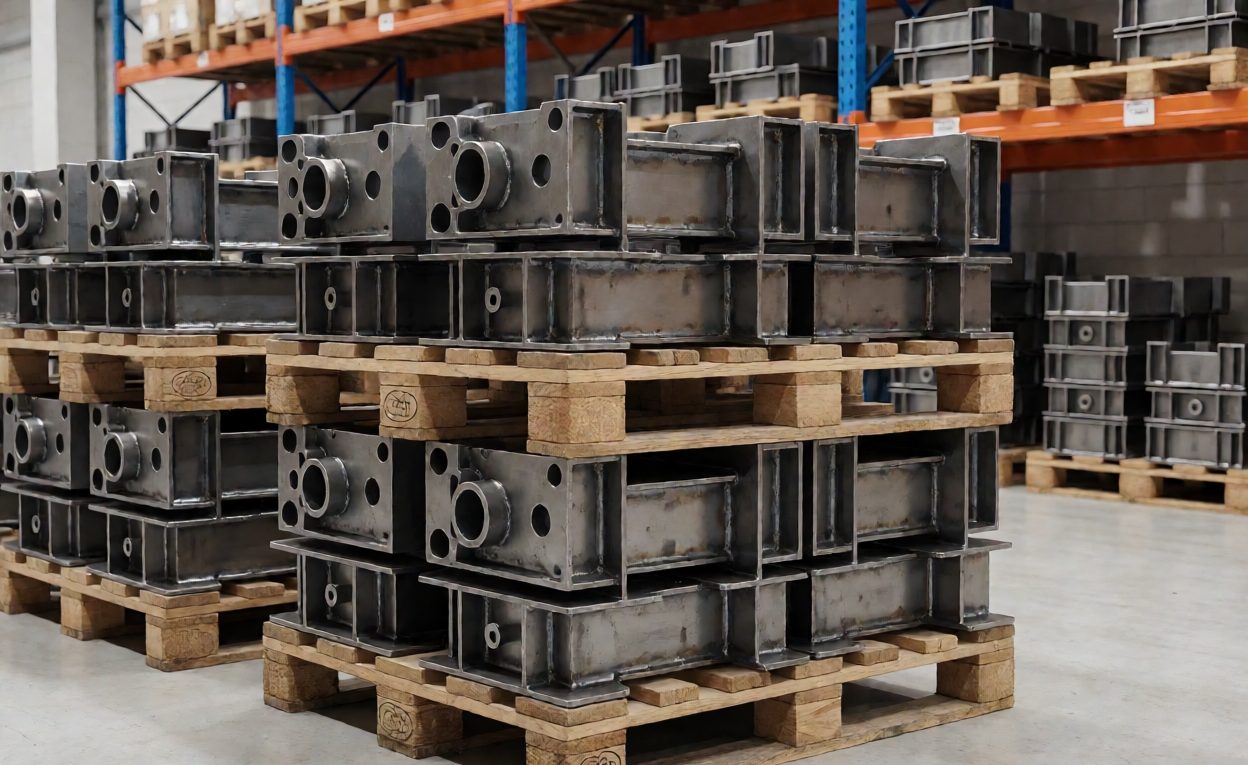
Buffer stock is the cheapest insurance available, and it is cheapest when built early. Work backwards from the cutover window: how many weeks of output need to be pre-built, what storage space that requires, and whether the pre-build itself consumes capacity that is already committed.

Two points are often missed. First, buffer must be built to the same quality standard and with the same inspection records, or it becomes a quality problem later. Second, buffer is working capital – decide in advance who approves it and what happens to any surplus after ramp-up.
Where buffer is impossible – bespoke, make-to-order work – the alternative is to schedule the cutover into a natural low-volume window, usually a holiday shutdown, and to agree overtime or subcontract capacity for the weeks either side. The power and cooling services must be ready before that window opens, because a services gap consumes the very days that cannot be recovered.
Ramp-Up: The Phase Nobody Schedules
After handover, output climbs. Operators learn the cell, parameters are refined, fixtures are adjusted, and unusual parts expose edge cases. A realistic ramp curve is worth writing into the plan, because it sets expectations with whoever is waiting for the output.
Three things shorten ramp-up measurably. Running the cell on real production parts rather than samples during commissioning. Having the fixture acceptance demonstrated on a defined number of parts, as described in the tooling scope article. And agreeing in advance how many supplier days remain available after handover for the adjustments that will inevitably be needed.
Who Owns the Schedule
The schedule needs one owner on the buyer’s side with authority over production, facilities and quality, because the dependencies cross all three. Without that, each function optimises its own part of the plan and the cutover date slips by the sum of the local optimisations.
Put the service readiness items from the installation requirements into the same schedule with named owners and dates, and hold a readiness review a week before the window opens. Cutover planning is standard practice in systems projects for exactly this reason: the switch is the risk, not the build. Where the old process is manual welding, the comparison with conventional welding gives a realistic view of what productivity change to expect once ramp-up completes – and changeover cost belongs in the business case, not in an contingency line nobody reads.
The final element is the fallback. Decide before the cutover what happens if the cell is not producing by the agreed date, and write it down: extended old-process running, subcontract capacity, or customer communication. A fallback decided in advance is a plan; one decided during the outage is a crisis. Contingency planning costs an hour and is the difference between a delayed project and a damaged customer relationship.
PFG
How much downtime should be budgeted?
More than installation. Include decommissioning, services, commissioning and the ramp-up period after handover.
Is parallel running worth the extra cost?
Usually yes when the part is committed to a customer deadline; it removes most of the cutover risk.
When is a big-bang cutover right?
When the existing process is already at capacity and buffer stock can be built easily.
What is buffer stock’s hidden cost?
Working capital, storage space, and the capacity consumed to build it. All three need approval.
Why does ramp-up get underestimated?
Because handover is treated as completion, when output typically climbs over weeks afterwards.
Who should own the cutover schedule?
One buyer-side owner with authority across production, facilities and quality.
Should supplier days remain after handover?
Yes. Agree a number in advance for the adjustments that commissioning will not have caught.