
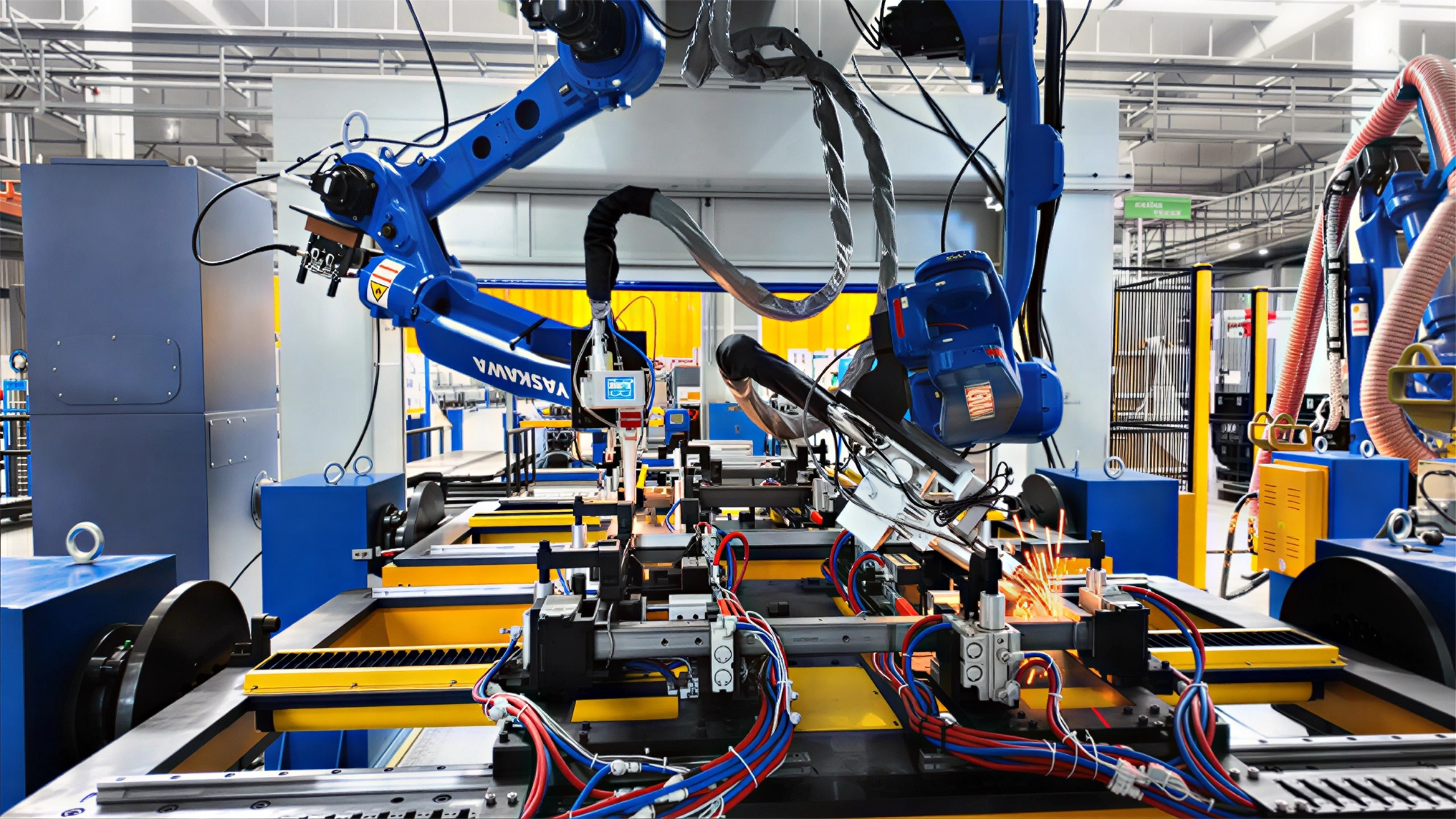
-
26 de agosto de 2026
- 0 comentar
Automatización de Soldadura Láser: 5 Empresas que Vale la Pena Conocer
Elegir la fuente láser adecuada
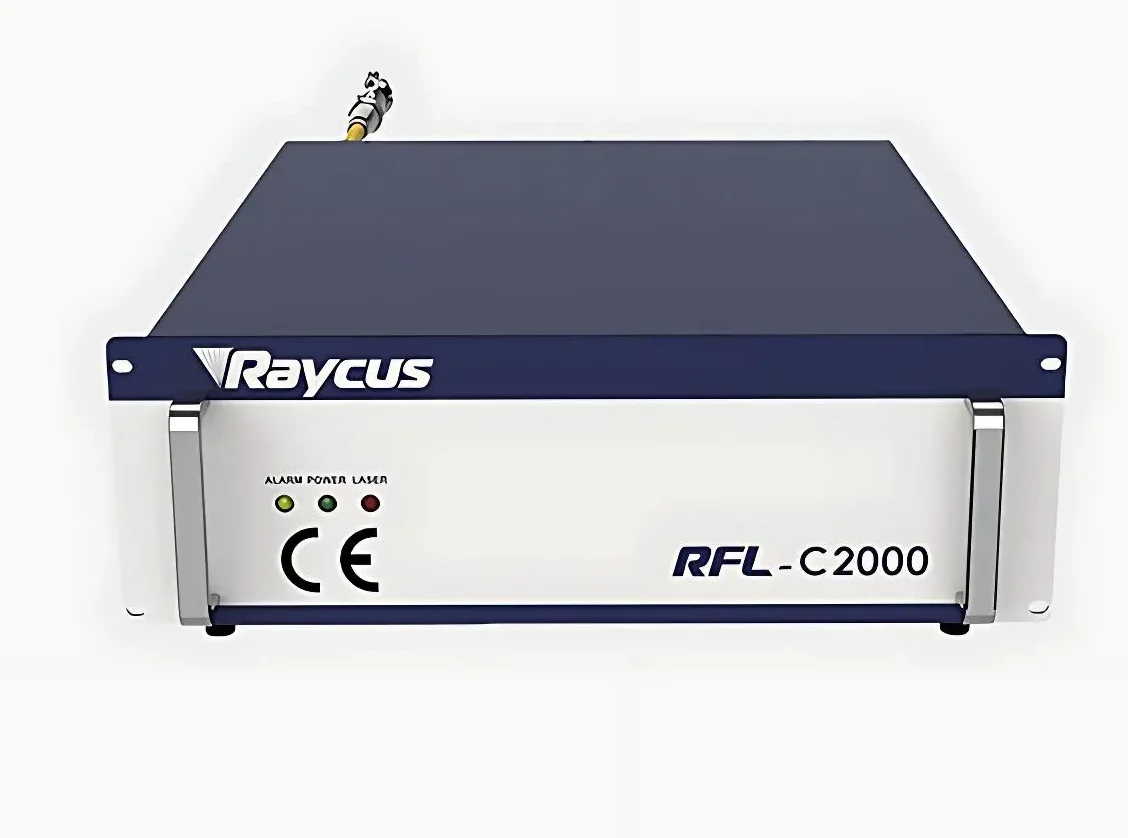
La fuente láser adecuada debe seleccionarse en función de:
- Tipo de material
- Espesor del material
- Diseño de junta
- Penetración requerida
La fuente láser es uno de los componentes más importantes de un sistema de soldadura láser.
Para la soldadura industrial de metales, los láseres de fibra se han convertido en ampliamente utilizados debido a su eficiencia, fiabilidad y requisitos de mantenimiento relativamente bajos.
Sin embargo, un láser de mayor potencia no significa necesariamente mejores resultados de soldadura.
los perfil del haz también vale la pena considerarlo. En algunas aplicaciones, haz anular / modo de anillo ajustable (ARM) la tecnología puede redistribuir la energía láser entre el centro y el anillo circundante, ayudando a mejorar la estabilidad de soldadura, la penetración y el aspecto de la soldadura.
En Truesyn, las soluciones de haz anular también pueden considerarse cuando proporcionan una ventaja significativa para una aplicación de soldadura específica.
Elegir el cabezal de soldadura láser adecuado: ¿Oscilación o estándar?
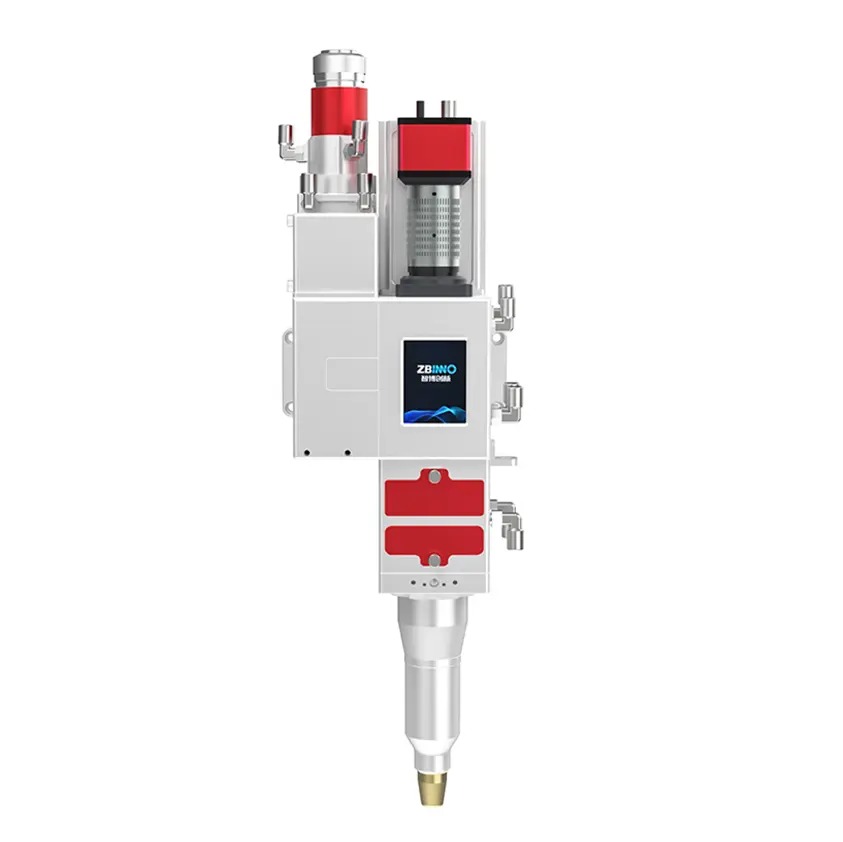
El cabezal de soldadura láser es otra consideración importante.
A cabezal de soldadura láser con oscilación puede proporcionar mayor flexibilidad en el control del movimiento del haz, ayudando a ajustar el ancho de soldadura, la penetración y el aspecto superficial para diferentes diseños de junta.
Para la soldadura automatizada, el cabezal láser también necesita funcionar correctamente con el robot, la trayectoria de movimiento, la fijación y los parámetros de soldadura.
La precisión del robot es importante
Robótico repetibilidad es otro factor crítico en la soldadura láser automatizada, especialmente para aplicaciones de precisión.
Los robots de menor costo pueden tener una repetibilidad insuficiente, y la precisión puede deteriorarse con el tiempo, provocando que la trayectoria de soldadura se desvíe gradualmente de la posición programada. Para soldadura láser de precisión, incluso una pequeña desviación puede provocar una penetración inconsistente, posición de soldadura o calidad general de la soldadura.
Por eso, la repetibilidad, rigidez y estabilidad a largo plazo del robot deben evaluarse cuidadosamente, no solo la carga útil y el alcance del robot.
La automatización es más que un robot y un láser
Este es uno de los factores más importantes, y a veces se pasa por alto.
Un sistema de soldadura láser robótico no es simplemente:Láser + Robot + Cabezal de soldadura.
Una celda de producción confiable puede incluir:
- Precisión robótica
- Fuente láser
- Cabeza de soldadura
- Fijaciones personalizadas
- PLC y control eléctrico
- Sensores y visión
- Sistemas de seguridad
- Extracción de humos
- Carga y descarga
- Monitoreo del proceso
- Pruebas de fábrica
- Puesta en marcha en sitio
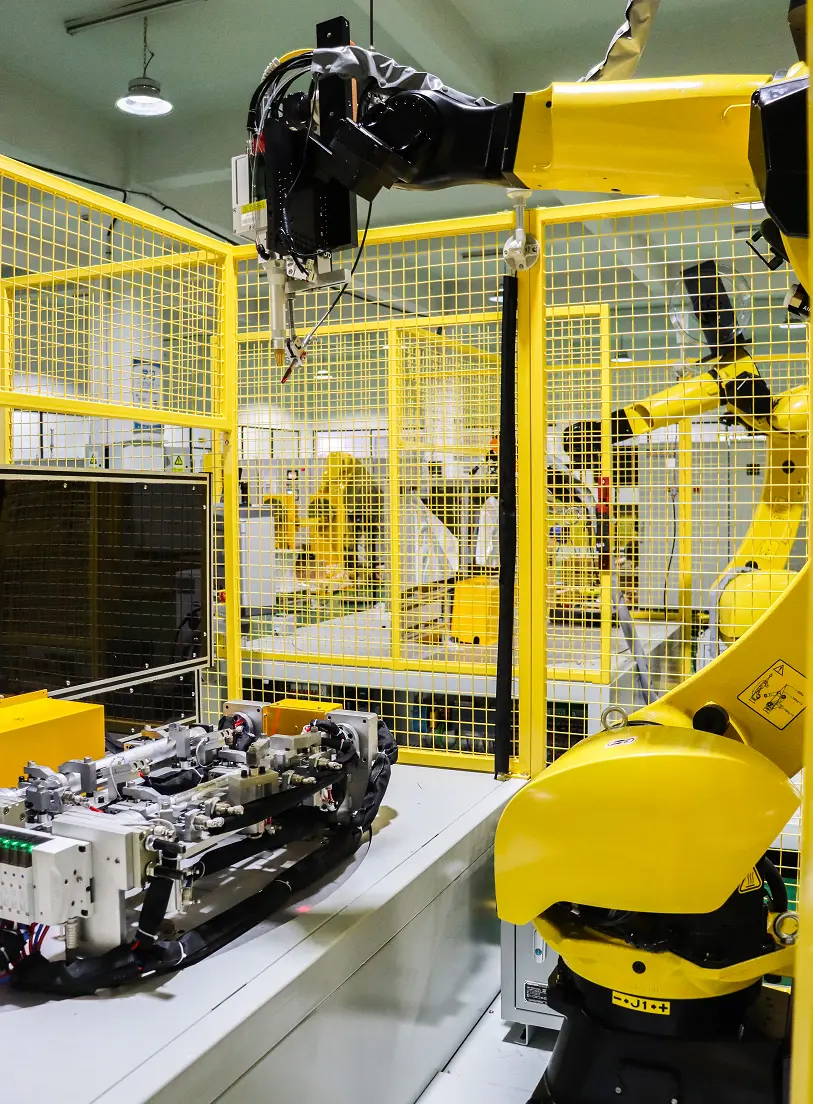
La fijación, por ejemplo, puede tener un gran impacto en la consistencia de la soldadura.
Incluso un láser y un robot de alta calidad pueden producir resultados inestables si la pieza no está posicionada con precisión o si la fijación no puede controlar la deformación durante la soldadura.
Por eso los clientes deben evaluar la capacidad completa de ingeniería de automatización de un proveedor, no solo la máquina en sí.
La experiencia en el proceso de soldadura láser es importante
El hardware es solo una parte de la solución. El verdadero desafío a menudo comienza cuando necesitas lograr una soldadura estable en producción.
Soldar un componente automotriz es muy diferente de soldar un gabinete de chapa metálica, un componente de transmisión, un componente de batería, un dispositivo médico o una pieza mecánica de precisión.
Sin suficiente experiencia en el proceso, los fabricantes pueden encontrar:
- Porosidad
- Falta de penetración
- Salpicadura excesiva
- Subcorte
- Quemazón
- Deformación
- Apariencia de soldadura inconsistente
- Tiempos de ciclo inestables
Por lo tanto, al evaluar a un proveedor de automatización para soldadura láser, es importante preguntar:
¿El proveedor entiende la soldadura láser como un proceso, o simplemente está integrando hardware?
Empresas de soldadura láser que vale la pena conocer
No existe una única empresa “mejor” de soldadura láser para cada aplicación. Las diferentes empresas tienen distintas fortalezas, tecnologías y capacidades de ingeniería. A continuación se presentan cinco empresas que vale la pena conocer al investigar el mercado de automatización de soldadura láser.
TRUMPF
TRUMPF es uno de los principales fabricantes mundiales de láseres industriales y máquinas herramienta.
La cuenta tiene amplia experiencia en procesamiento láser, incluyendo soldadura láser, corte láser y sistemas de fabricación automatizada.
Su principal fortaleza radica en la integración de tecnología láser, máquinas herramienta, automatización y soluciones de producción industrial.
Para grandes fabricantes que buscan una plataforma tecnológica global madura, TRUMPF es uno de los nombres más consolidados de la industria.
IPG Photonics
IPG Photonics es uno de los fabricantes de láseres de fibra industriales más reconocidos.
La empresa ha desempeñado un papel fundamental en el desarrollo y la adopción de la tecnología de láseres de fibra de alta potencia.
La fortaleza de IPG es particularmente visible en el lado de la fuente láser, donde su tecnología es utilizada por muchos fabricantes de equipos e integradores de sistemas en todo el mundo.
Para los clientes que evalúan equipos de soldadura láser, también es importante comprender quién es el proveedor de la fuente láser, ya que esta es uno de los componentes clave que determinan el rendimiento y la fiabilidad del sistema.
Han's Laser
Han's Laser es una de las principales empresas de láseres industriales de China.
Su portafolio de productos abarca corte láser, soldadura láser, marcado láser, automatización y otras aplicaciones industriales con láser.
Con una amplia gama de equipos láser y soluciones de automatización, Han's Laser se ha convertido en un actor importante en el mercado chino de láseres industriales y ha ampliado su presencia internacional.
Su escala y su amplio portafolio de productos la convierten en una empresa digna de considerar para fabricantes que buscan soluciones integradas de procesamiento láser.
HGTECH / Huagong Technology
Huagong Technology es otra importante empresa china de láseres industriales y fabricación inteligente.
La empresa ha desarrollado capacidades en procesamiento láser, fabricación inteligente, automatización y aplicaciones industriales.
Su experiencia en equipos láser industriales hace de HGTECH una referencia importante al evaluar proveedores chinos de tecnología láser.
Truesyn Laser
Truesyn adopta un enfoque algo diferente.
En lugar de centrarse principalmente en fuentes láser o máquinas láser estándar, Truesyn se enfoca en sistemas de automatización de soldadura láser personalizados.
La empresa ofrece capacidades de ingeniería que abarcan:
- Diseño mecánico
- Ingeniería eléctrica
- Integración de robots
- Diseño de fixturas personalizadas
- Integración de sistemas de soldadura láser
- Control de automatización
- Desarrollo de procesos de soldadura
- Pruebas de fábrica
- Puesta en marcha en sitio
- Soporte técnico postventa
Una de las fortalezas de Truesyn es su organización de ingeniería, con más de 50 profesionales en diseño mecánico, ingeniería eléctrica, automatización y puesta en marcha.
El equipo también ha acumulado experiencia práctica en procesos de soldadura láser en diferentes productos e industrias.
¿Qué debería comparar realmente?
Al evaluar proveedores de automatización de soldadura láser, la potencia láser y el precio de la máquina solo deben ser parte de la decisión.
Un marco de evaluación más útil es:
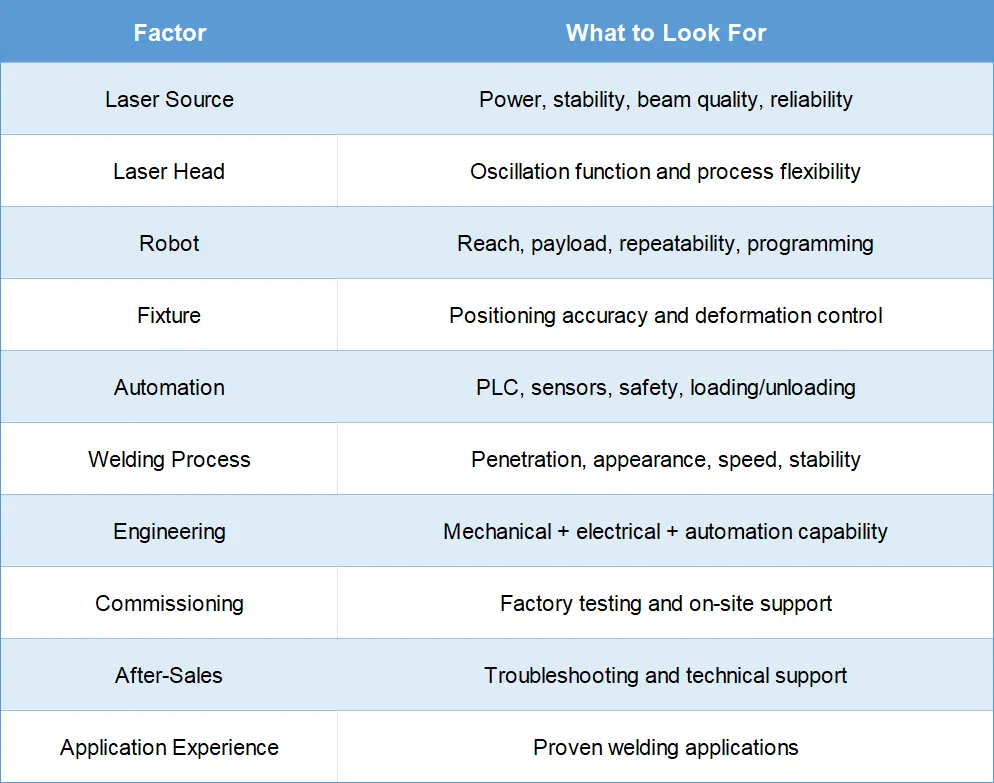
En última instancia, el mejor sistema de soldadura láser no es necesariamente el que tiene el la mayor potencia de láser o el menor precio.
Es el sistema que puede lograr consistentemente lo requerido:
Calidad de Soldadura + Tiempo de Ciclo + Confiabilidad + Estabilidad de Producción
Y para la fabricación automatizada, lograrlo requiere mucho más que un láser.
Se requiere:
Tecnología de Láser + Robótica + Sujeciones + Control Eléctrico + Ingeniería de Automatización + Conocimiento del Proceso de Soldadura
Ahí es donde a menudo se puede encontrar la verdadera diferencia entre proveedores de equipos.