
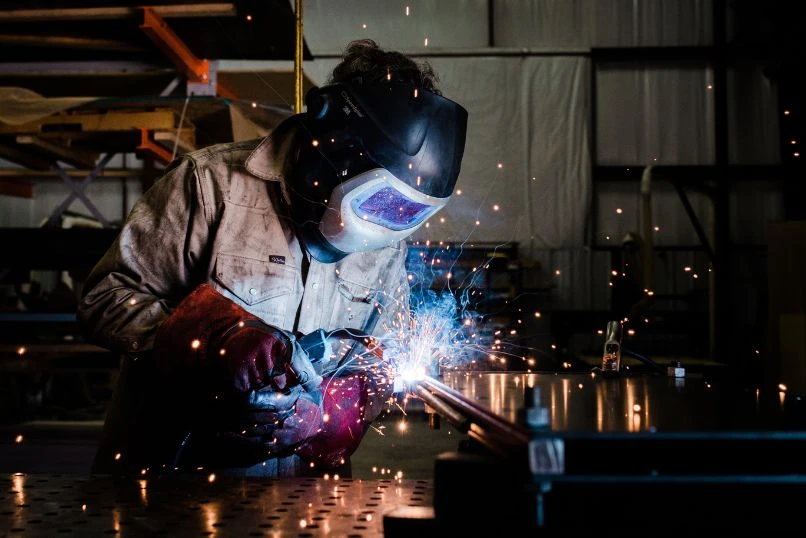
Eco-Friendly Innovation: How Laser Systems Support Sustainable Manufacturing
As global industries pursue sustainability, laser technology offers a clean, efficient, and eco-friendly path forward. Unlike traditional welding or cutting, laser systems produce minimal waste, lower emissions, and consume less energy.
TrueSyn’s laser equipment is engineered to meet the growing demand for green production. By integrating intelligent energy control and high-efficiency laser sources, we help manufacturers achieve both environmental responsibility and economic performance — a true win-win for the planet and productivity. 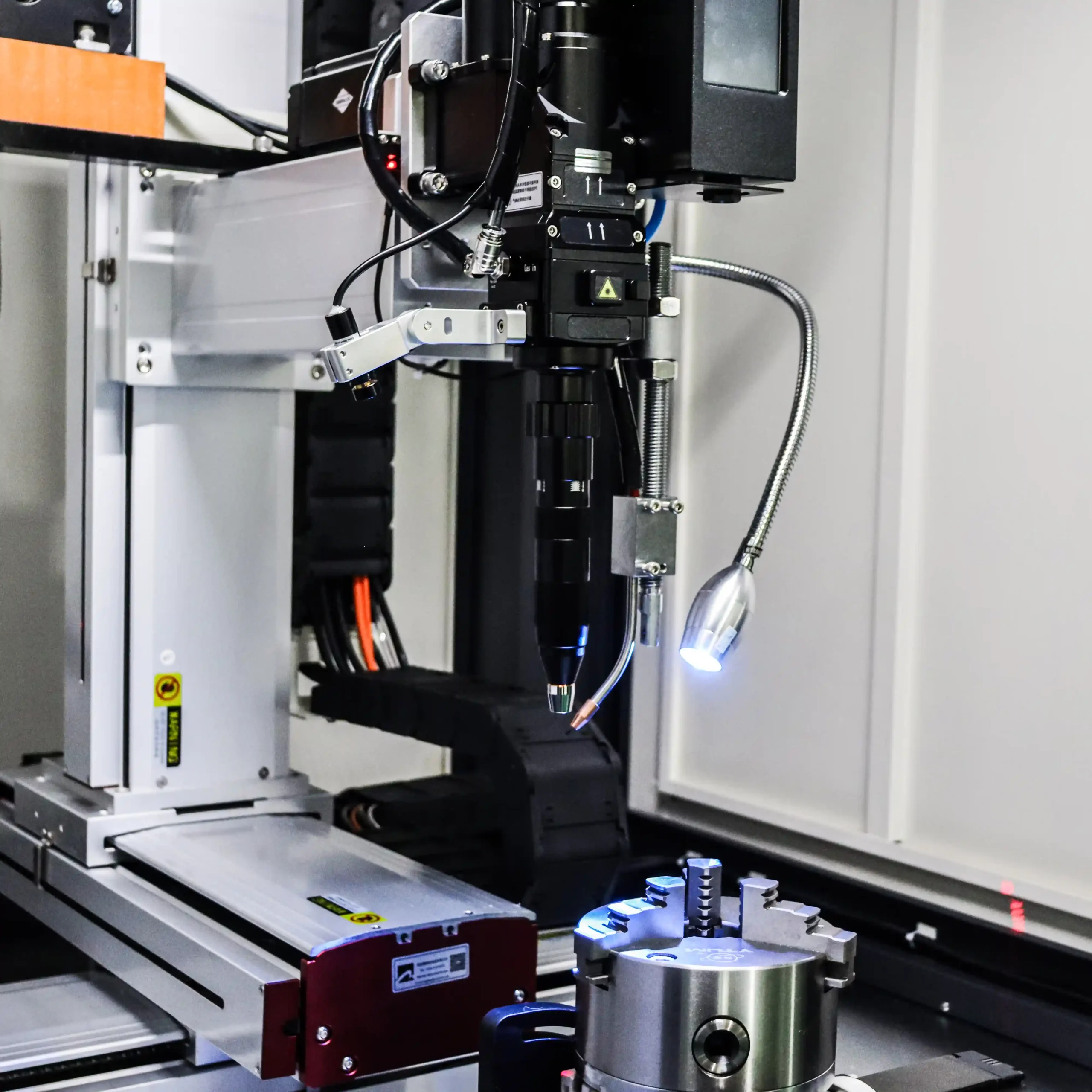
The Sustainability Ledger for Laser Systems
Laser processes earn environmental credit in specific, measurable ways. The table lists them with the metric to track.
| Factor | Effect | Metric |
|---|---|---|
| No filler in many joints | Less consumable waste | kg filler/yr |
| Low heat input | Less distortion, less rework | Scrap rate |
| Electrical efficiency (fiber) | Lower energy per joint | kWh/100 joints |
| No flux | Cleaner exhaust | Filtration load |
Frequently Asked Questions
Is laser welding really greener than MIG?
Per joint, usually yes: no shielding-gas-hungry arc, no spatter cleanup, and a smaller heat-affected zone means less grinding afterwards.
How do I prove it to auditors?
Track energy per joint and scrap rate before and after. Those two numbers carry the story.
Process detail: laser welding robot and joint design guide. Reference: laser beam welding.
Where the Savings Actually Come From
Sustainability claims survive audits only when they are broken into line items. For laser systems, three streams carry almost all of the gain:
| Stream | Laser process | Conventional comparison |
|---|---|---|
| Energy per weld | Focused beam, 20–60% less input energy | Arc/plasma spreads heat into the surrounding metal |
| Consumables | No filler on many joints, electrode tips and gas lenses eliminated | Continuous wire, tungsten and shield-cup waste streams |
| Material efficiency | Narrow heat-affected zone, less distortion, less post-machining | Distortion drives grinding and scrap rework |
Two practical notes keep the ledger honest. First, compare per joint, not per hour — a laser cell idling at full draw can lose its advantage, which is why modern cells idle intelligently. Second, measure the chain, not the machine: fewer rework passes and less post-weld machining often outweigh the electricity difference on the invoice. Buyers who request an energy-per-joint figure and a consumables list during supplier qualification get numbers they can defend in a sustainability report; buyers who accept “eco-friendly” as a label usually rediscover the truth at the meter.
Reporting Without Greenwash
Three numbers make a defensible claim: energy per joint (metered, not modeled), consumables mass per thousand parts, and scrap rate before versus after. Collect them from day one, keep the method constant, and the sustainability story writes itself from the logs — no adjectives required.
The Supply Chain Angle
Material efficiency compounds upstream: a narrow heat-affected zone means less over-spec sheet bought to allow for distortion, lighter welds can shrink part weight, and reduced rework shrinks the transport and energy footprint of every repaired unit. Sustainability cases that include the supply chain read better in customer audits than machine-level claims alone — and they cost nothing extra to document.
A final caution: recycled content and end-of-life claims belong to the supplier’s own audit trail. Ask for the data behind them before repeating those claims in your customer documents — borrowed numbers deserve the same scrutiny as quoted prices.