
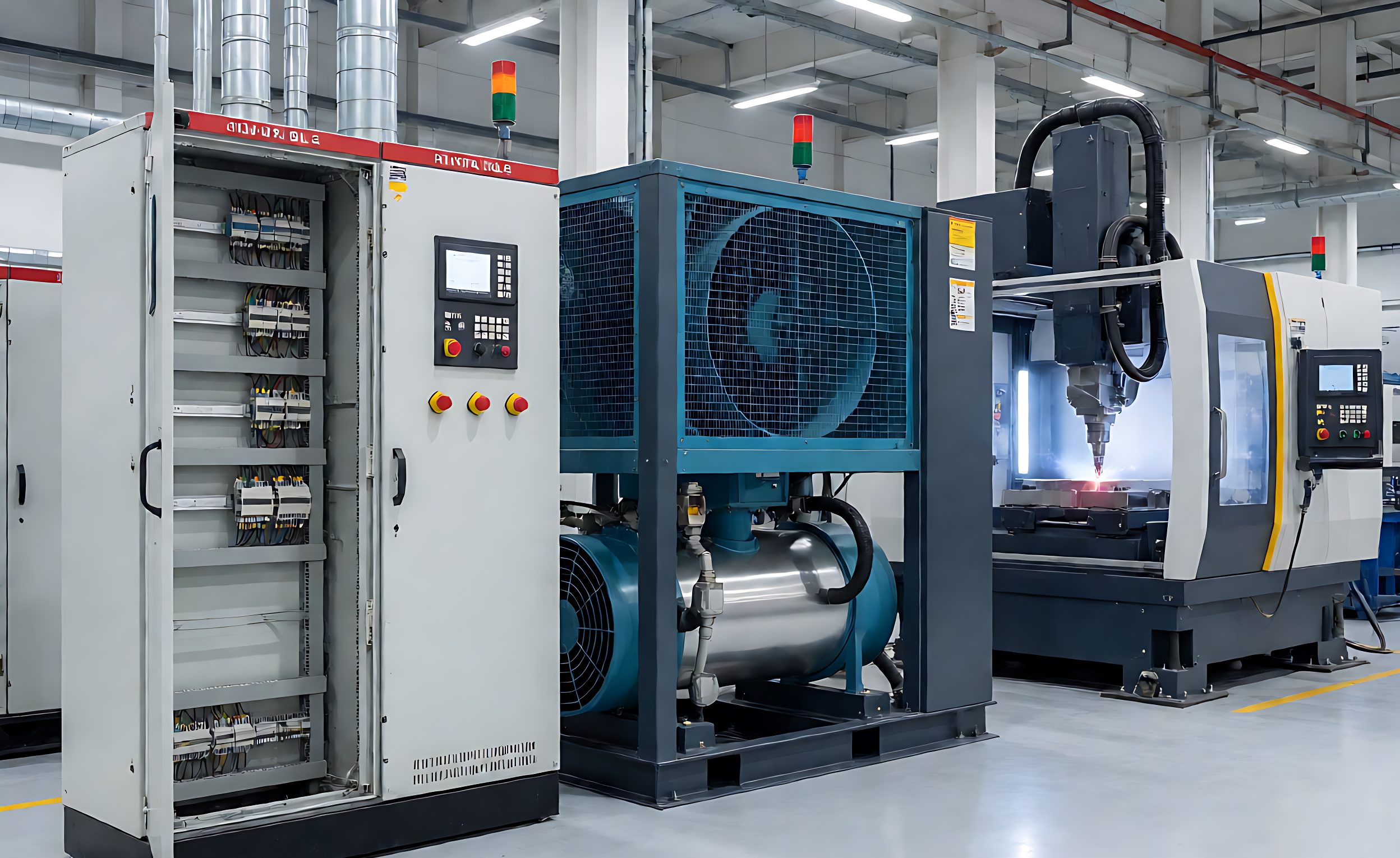
Laser Welding Cell Power and Chiller Sizing: What the Site Must Provide
A welding cell is quoted as a machine and arrives as a set of utility demands. Electrical capacity, cooling capacity, extraction volume and floor loading are all site responsibilities in most contracts, and all of them are discovered late when they have not been sized early. The result is a familiar commissioning delay: the cell is installed, and it cannot run at full duty because the building cannot supply it.
Sizing these services before contract is not difficult. It requires four numbers from the supplier and a short conversation with whoever owns the building services.
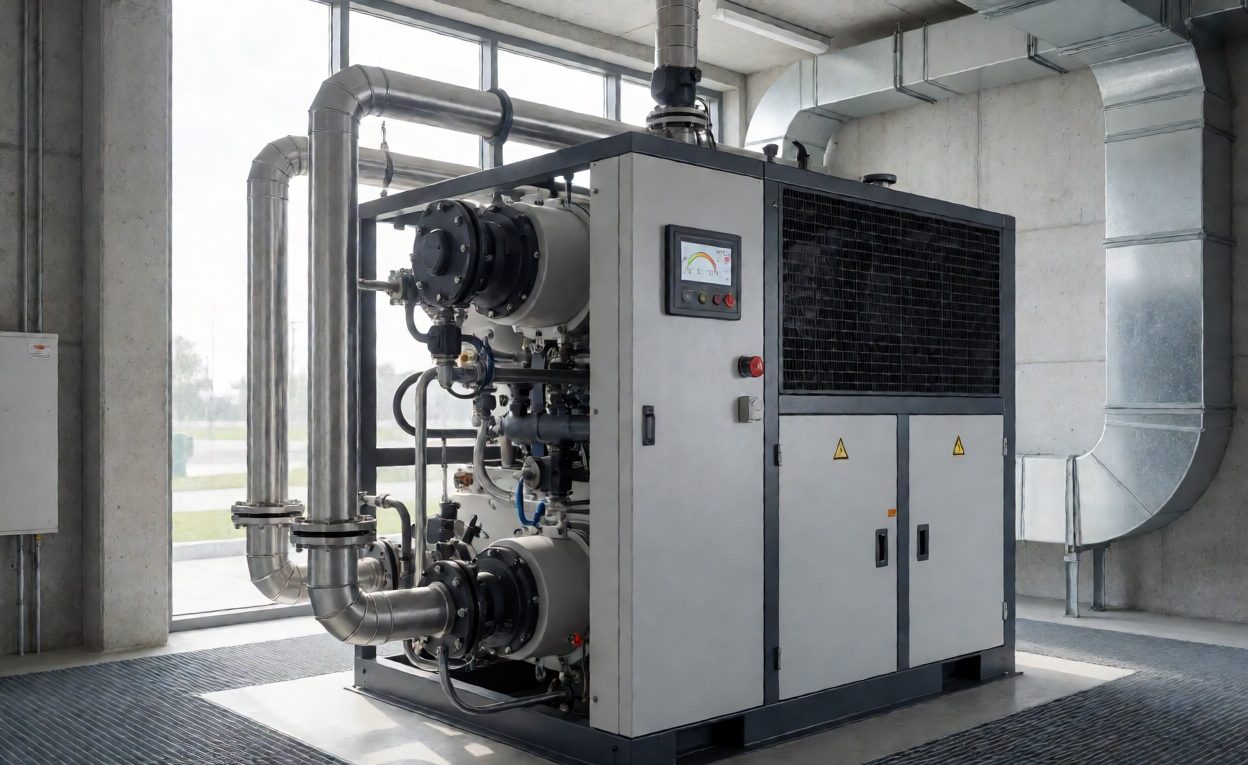
Electrical Supply: Demand, Not Just Voltage
The two figures that matter are connected load and diversity-corrected demand. The first is the sum of everything switched on; the second is what the supply actually has to deliver in normal operation. Confusing them leads to either an oversized and expensive supply or one that trips under load.
- Connected load: laser source, chiller, robot controller, positioner, extraction, controls and any ancillary heating.
- Duty-dependent load: the laser source does not draw full power continuously. Ask for the demand figure at the intended duty cycle, not the nameplate maximum.
- Inrush and starting current: chillers and large motors draw significantly at start. This affects breaker and cable sizing.
- Supply quality: permissible voltage tolerance, frequency, and whether the source requires a clean or isolated supply. Sensitive laser electronics and a shared factory bus with heavy switching loads are a poor combination.
- Spare capacity: allow headroom for a second shift, a future cell, or an additional axis.
The general principles of electrical loading and diversity apply, but the practical step is to get the demand figure from the supplier in writing and have it checked against the existing board before delivery, not after.
Cooling: Capacity, Temperature and Water Quality
The chiller is the most under-specified item in a laser cell. Undersized cooling does not usually cause a dramatic failure; it causes thermal drift, unstable output, nuisance alarms and shortened source life, all of which look like process problems rather than a sizing problem.
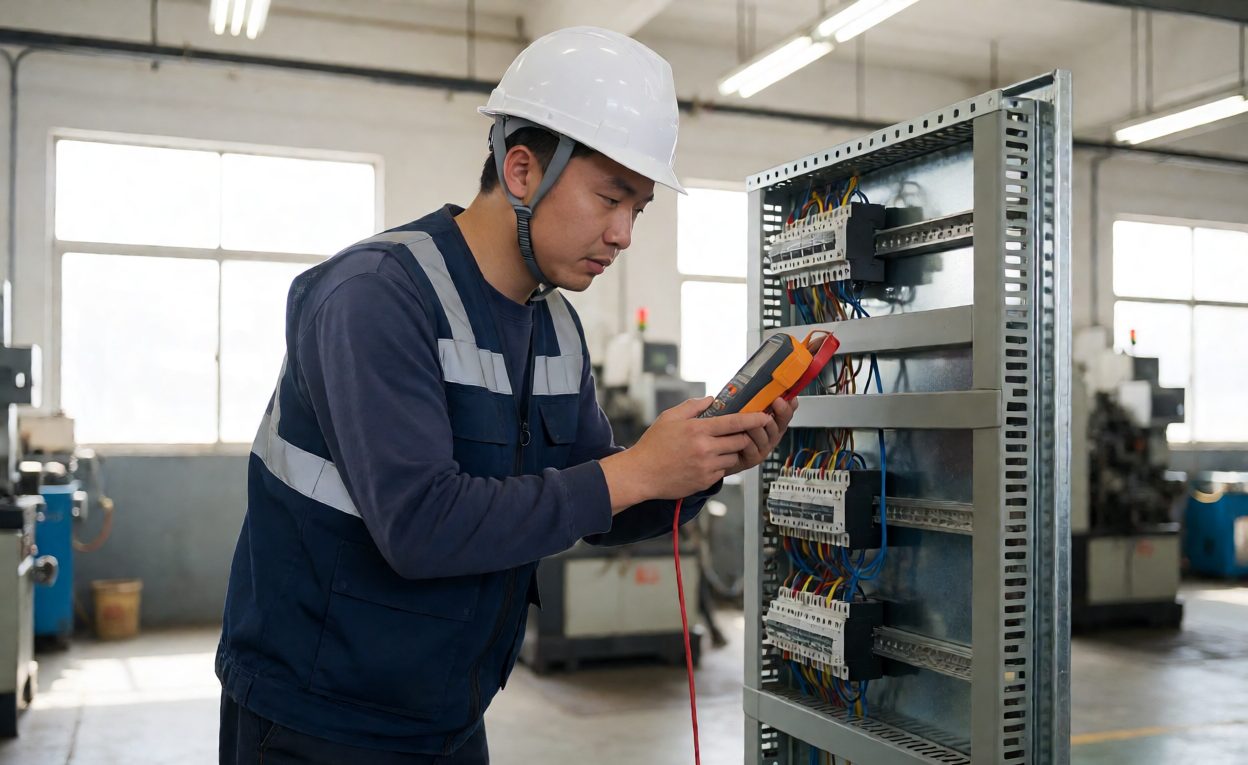
- Heat load: the supplier should state it in kilowatts at a defined duty cycle. Size the chiller for the actual duty, not the laser’s electrical input.
- Ambient conditions: chiller capacity is quoted at an ambient temperature. A plant that reaches 40 degrees in summer needs a derated figure applied, and this is where most undersizing occurs.
- Temperature stability and setpoint: lasers require a defined supply temperature, and dew point matters – condensation on optics is a real failure mode in humid climates.
- Water quality: conductivity, pH and filtration requirements. Poor water quality is the leading cause of chiller and laser cooling-channel problems.
- Flow and pressure: required flow rate at the cell, and whether the pipe run length requires a larger pump.
The maintenance schedule in the chiller maintenance guide should be read alongside the sizing decision, because a chiller running permanently at its limit has no margin for a slightly fouled filter or a hot week.
Extraction and Ventilation
Fume extraction is simultaneously a health requirement, a process requirement and an optical-protection requirement. Undersized extraction contaminates protective windows, raises consumable cost and degrades weld consistency, which is why it belongs in the utilities list rather than in a facilities footnote.
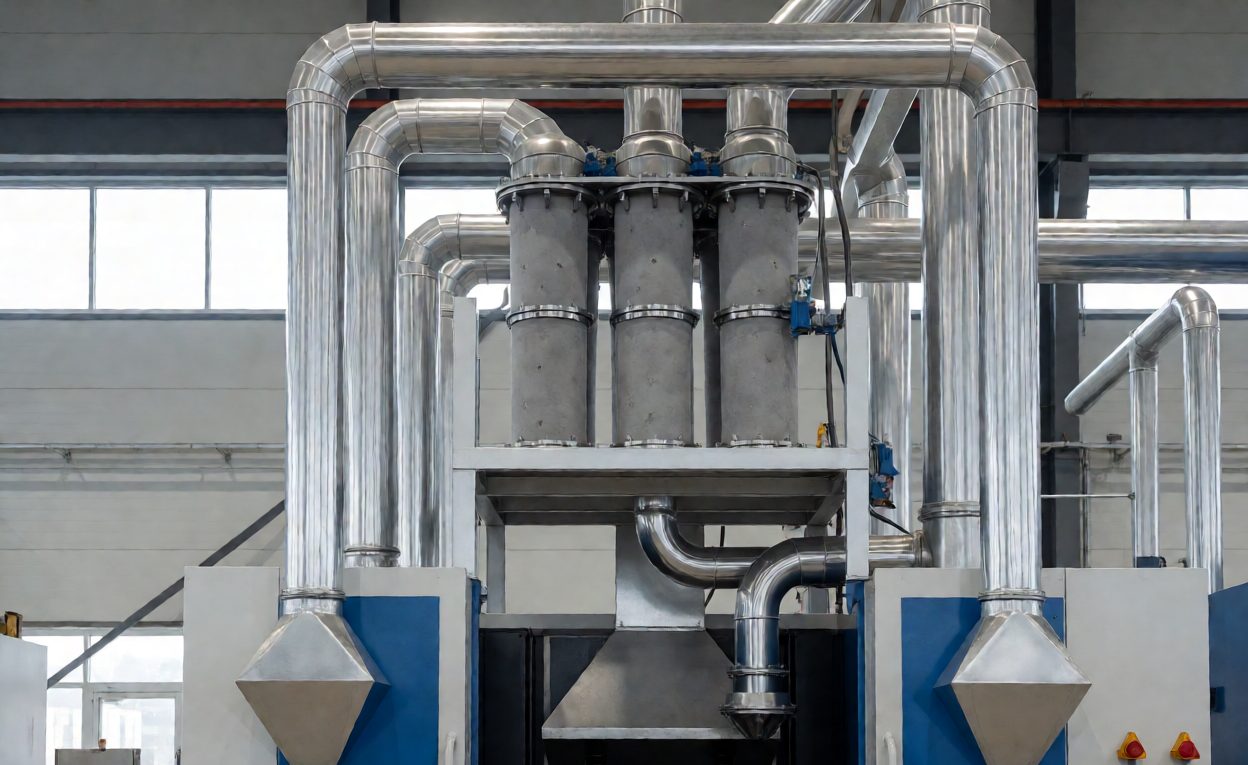
Specify extraction volume at the cell, capture velocity at the weld point, filter class appropriate to the material being welded, and whether the extracted air is recirculated or discharged – recirculation usually requires higher filtration and has regulatory implications. Laser safety obligations, described in the Class 4 safety article, interact with enclosure design and extraction routing, so the two should be designed together rather than sequentially.
Compressed Air, Floor and Access
Three smaller items complete the list, and each has caused its own share of commissioning delays.
- Compressed air: required pressure and flow at the cell, and whether the supply is dry and oil-free. Pneumatic fixtures and blow-off are common loads.
- Floor: point loading at the robot base and positioner, and flatness tolerance across the cell footprint.
- Access route: door dimensions, turning space and floor protection for moving the cell into position.
All of these should appear in the installation requirements before contract, because responsibility for providing them is normally the buyer’s, and because they are far cheaper to arrange during a planned shutdown than during commissioning week. For buyers still at the selection stage, the cell cost breakdown shows the typical share of total project cost that site services represent – usually larger than first-time buyers expect.
Two final checks are worth building into the specification. First, ask for the utility requirements as a table with values per item rather than a single total, so that each service can be checked against the building individually. Second, confirm what happens if the site cannot meet a requirement – whether the supplier can offer an alternative, such as air-cooled rather than water-cooled operation, and what that costs in performance or noise. Chillers are frequently the item where an alternative exists, and three-phase supply capacity is frequently the one where it does not. Establishing which is flexible before contract avoids redesigning services during installation.
FAQ
Is nameplate power the right figure for supply sizing?
No. Ask for demand at the intended duty cycle; the laser does not draw full power continuously.
Why do chillers get undersized?
Capacity is quoted at an ambient temperature that the plant may exceed in summer, so a derated figure is needed.
Does water quality really matter?
Yes. Poor water quality is a leading cause of chiller faults and cooling-channel problems in the laser source.
Is extraction a utilities item or a safety item?
Both. It affects operator health, window contamination and weld consistency.
Who provides these services?
Usually the buyer. Confirm responsibility for each item in the installation scope before contract.
Should spare electrical capacity be allowed?
Yes, for additional shifts, a future cell or extra axes. Retrofitting supply capacity later is disruptive.
Can extracted air be recirculated?
Sometimes, but it usually requires higher filtration class and has regulatory implications.