
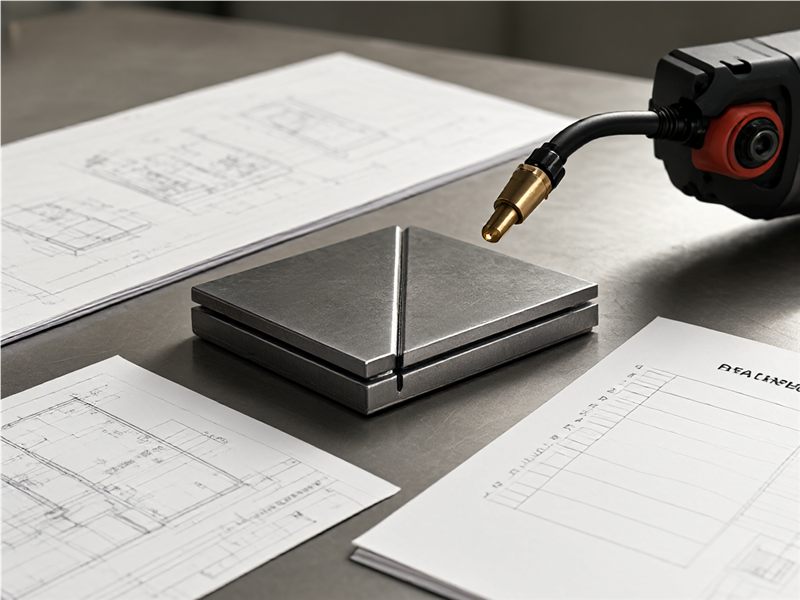
溶接コボット:トーチ、位置決めおよびオペレーター業務フローの確認
速答: Evaluate a welding cobot by weld coupons, torch and fixture fit, reach, fume controls and a task-specific safety assessment.
工程を最初から最後まで可視化する
Draw the workflow as operators experience it, from arrival or setup through normal output, handoff and recovery. Include product identity, system state and owner at each step. For a collaborative welding setup for a defined joint, torch package, work position and production task, write down actual peaks and difficult cases rather than using only an average or ideal sample. A process map exposes where a missing scan, misfit or unclear instruction can stop the next operation. Write the record so a second supplier or new team member can understand the same configuration. Tie every open question to an owner and date; do not let an informal call replace the controlled drawing, service scope or product file.
各システムおよび製品インターフェースを名付ける
List every interface that must work: physical connection, control signal, data field, mounting point or service access. Identify the owner on each side and the revision of the drawing, program or master data. For a collaborative welding setup for a defined joint, torch package, work position and production task, joint and material data, torch and source list, fixture layout, safety assessment, coupon results and operator trial should connect the supplier deliverable to the receiving system. For this topic, a useful comparison includes torch, power source, positioner, fixture, seam finding, fume extraction and recipe control and states what is standard, optional or still unverified. Similar names or photographs do not establish mechanical fit, software behavior, service coverage or compliance.

通常フローと例外を分離する
Define the normal route and exception route separately. State what happens when an item is damaged, an order is incomplete, a sensor reads nothing or an alarm appears. Give operators a safe hold condition, reason code and escalation contact. An implicit route encourages improvisation that is hard to audit. Use joint gap, material, torch mass, part placement, fume level, robot speed or risk assessment as the basis for choosing a sample and deciding what to measure. If the sample leaves out a difficult condition, state the limit of the result instead of presenting it as proof for all use cases.
オペレーターが検証可能なデータを選択する
Choose a small set of data fields that can be captured accurately at the work point. Use stable identifiers for SKU, model, lot or revision and record timestamps, quantity and exception reason where they support a decision. For a collaborative welding setup for a defined joint, torch package, work position and production task, agree the source of truth and who may edit each field. A common failure mode is the collaborative label alone does not establish safe reach, arc exposure control, weld quality or suitable fixture access. Reduce it with a written check before release, plus a clear hold and escalation step when the check fails. The responsible owner should be able to find the evidence without relying on memory.
アクセスと安全性のレビューを含む
Review access, guarding, lifting, pinch points, maintenance clearance and emergency response with the responsible site safety professional. Keep the assessment specific to the installed arrangement. Where the collaborative label alone does not establish safe reach, arc exposure control, weld quality or suitable fixture access is present, document what operators may do, what requires isolation and who authorizes a restart. A buyer can ask the supplier to return joint and material data, torch and source list, fixture layout, safety assessment, coupon results and operator trial with the quote or sample. That makes the response more useful than a broad capability statement and gives procurement, engineering and quality a shared starting point.
代表的な条件を試す
Trial the workflow using representative volume, product variation and at least one planned exception. Record start conditions, actual steps, handoffs, recovery and unresolved issues. Do not present a short demonstration as a universal rate unless the workload and measurement window are disclosed. For a repeatable result, agree the validated setup meets weld criteria and the assessed operating method preserves the required protective measures before the trial. Identify sample identity, measurement or operating method, record format and who signs off; if one condition changes, review the effect before reusing the approval.
役割に基づいた研修を準備する
Turn the approved sequence into role-based instructions. Operators need start, stop, check and escalation steps; supervisors need status visibility; maintenance staff need safe access and diagnostic context. Record training against the actual revision and notify teams when it changes. Plan task and joint definition, source and torch match, fixture and reach review, risk assessment, coupon trial and operator handoff as connected gates. Each gate should have an input, owner and output so a sample, order or installation cannot move forward with an unresolved issue hidden in an email thread.
公開前に指標を定義する
意思決定に合致する指標を選択します。完了率、例外件数、応答時間、在庫差異、または合格したテスト結果です。比較する前に、分子、分母、期間、除外条件を定義してください。ベースラインと、その数値が収集された条件を報告します。市場やサイト間の違いが重要です。導入作業エリア、適用される安全規則、生産品の構成比により、確認が必要な文書、ラベル、設置詳細、または顧客向け表現が変わる場合があります。責任を担う現地主体を明確にし、最新の一次情報ガイドラインを使用してください。
エスカレーションの責任者を割り当てる
Create an escalation path with severity, owner, response expectation and evidence to attach. The front line should know when to hold work and when it may resume; support teams need the relevant identifier, photo, alarm or transaction record. Before commercial release, align the product or service page with the approved scope. Explain a collaborative welding setup for a defined joint, torch package, work position and production task in buyer language, but avoid performance or certification claims that the supporting file does not establish.
引き継ぎを実用可能なものにする
At handover, transfer the current layout, interface list, revision, spare-parts list, training record, approved limits and unresolved items. Confirm access to the record system and test retrieval of an older case. The receiving team should be able to find evidence without the original project team. At handoff, make the approved a collaborative welding setup for a defined joint, torch package, work position and production task configuration, sample record and revision to the next responsible team available to the next team with a model ID, revision, training or status record and named contact. A transfer is complete only when the receiving owner can act on an exception.
保守および変更管理を計画する
実際の故障モードとサプライヤーの指示を軸に、メンテナンスおよび変更レビューを計画してください。検査のトリガー条件、必要な部品やツール、資格を有する責任者、再稼働時のチェック項目を記録します。製品文書に定年がない場合、汎用的な周期を勝手に作成しないでください。ジョイントギャップ、材料、トーチの質量、部品の配置、排気量、ロボットの速度、リスク評価、または管理対象コンポーネントに変更が生じた場合は、変更通知を求めます。修正後の構成を受領する前に、互換性、試験、梱包、ラベル、研修、顧客へのコミュニケーションをレビューしてください。
基準値に対する実際の結果を確認する
最初の運転期間の後、結果をベースラインと比較し、変更された内容を記録する。工程改善と製品ミックス、人員配置、サイトレイアウト、または測定方法の変更を区別する。方法が[移動/移行]した際に、ローカルアクセス、訓練、データ、および安全性を再レビューする
関連するものを参照する TrueSyn ロボット金属加工ソリューション 製品およびサプライヤーの詳細については。
市場レビューのための一次参考文献
これら一次参考文献はレビューの枠組みを構築するのに役立ちます。実際の用途における最新の地域ルール、製品分類、契約上の要件を確認してください。
買い手がよく尋ねる質問
特定のジョイント、トーチパッケージ、作業姿勢、生産タスク向けの協働型溶接セットアップを調達する際、バイヤーは何を確認すべきですか?
特定のジョイント、トーチパッケージ、作業姿勢、生産タスク向けの協働溶接セットアップの調達時に、バイヤーが確認すべき事項は何か?
ジョイントおよび材料データ、トーチと電源のリスト、治具レイアウト、安全評価、クーポン試験結果、オペレータの試験から始めます。記録をモデルまたはサービス改訂版、設置先、意図された用途に照らし合わせ、その後、責任者に未解決要件への承認を依頼してください。
ジョイントと材料データ、トーチと電源のリスト、治具レイアウト、安全評価、クーポン結果、オペレータ試験から着手してください。記録をモデルまたはサービス改訂版、設置先、想定用途に整合させ、未整理の要件について責任者へ承認を依頼してください。
どのような証拠がリリースを支持していますか?
代表的なサンプルまたはワークフロー、合意された受入方法、追跡可能な結果、および指名された承認責任者を使用してください。スコープの定められたデモを普遍的な証拠として扱わないでください。
要件は市場やサイトによって異なりませんか?
はい。設置された作業エリア、適用される安全規則、生産物構成によって、適用される規則、文書、設置、または顧客クレームが変更される可能性があります。輸入者、プロジェクトオーナー、または適格な現地専門家と現在必要な要件を確認してください。