溶接セルの騒音および煙暴露限度値
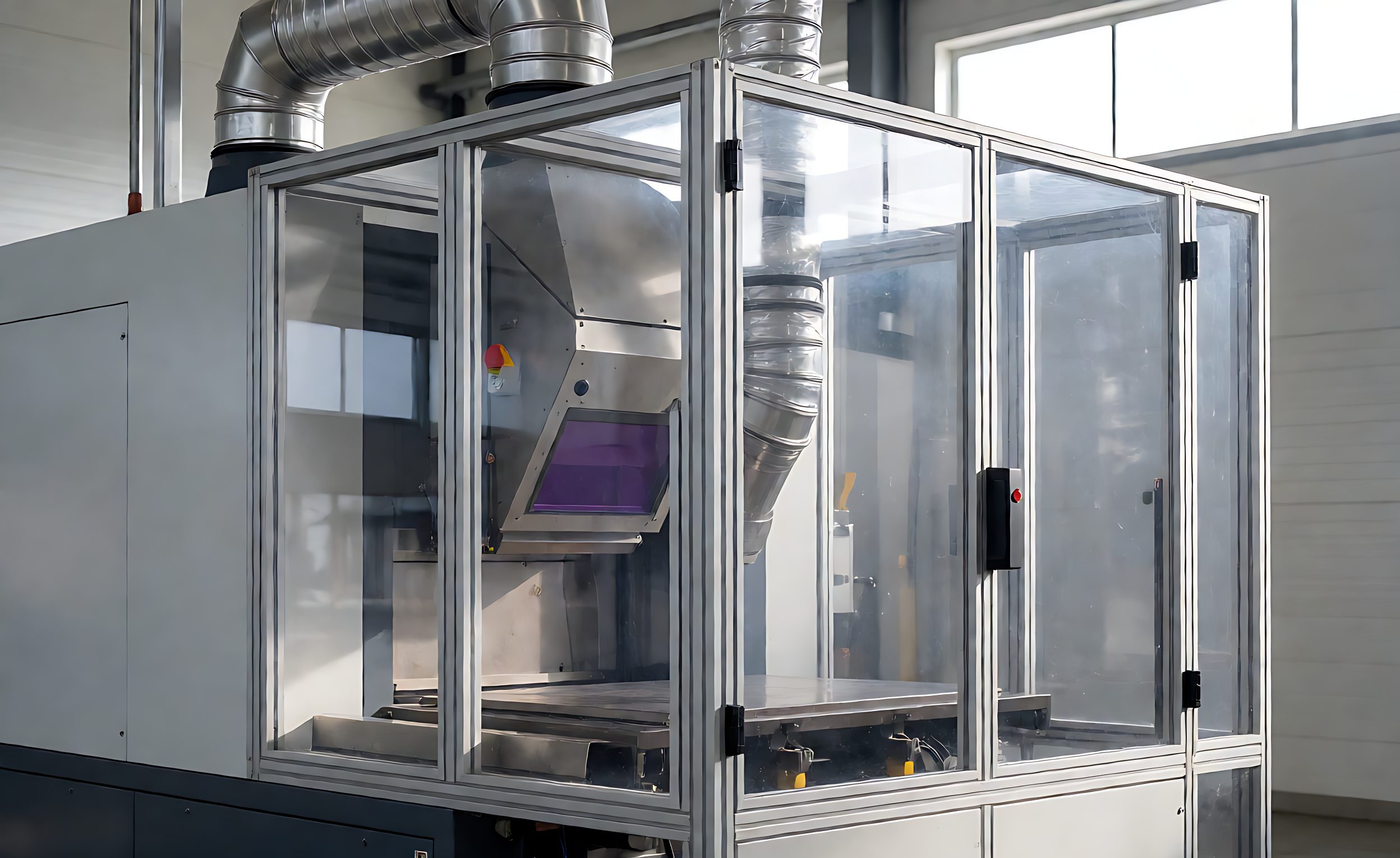
Noise and fume exposure around a welding cell are regulated in most jurisdictions, and the limits apply at the operator’s position rather than at the equipment boundary. That distinction matters: a cell that is compliant when measured at the enclosure can still expose an operator who spends a shift beside it. The design choices that keep exposure inside limits are made at order stage, and verifying them at commissioning is a short exercise that prevents an expensive retrofit.
The useful framing is the hierarchy of control. Enclosure and extraction reduce exposure at source; administrative controls reduce duration; personal protective equipment is the last line. A specification that relies on the last line alone is a specification that will be found non-compliant.
Fume Exposure
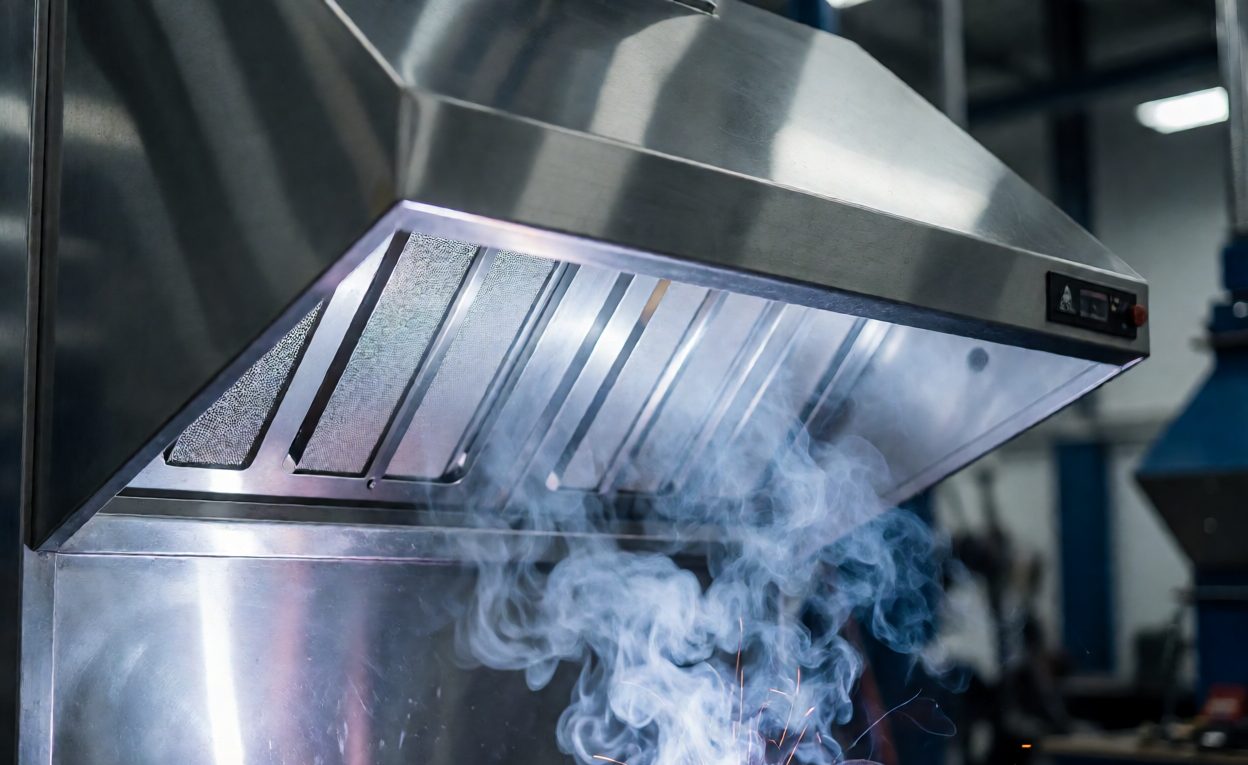
Welding fume is a respiratory hazard, and the control that works is extraction at source rather than general ventilation. The extraction must capture the plume before it reaches the breathing zone, which is a function of capture velocity, hood position and enclosure integrity.
- Capture at source – the hood positioned where the plume forms, not where it disperses.
- Enclosure integrity – a cell that leaks fume into the room is a cell whose extraction is undersized.
- Filtration – the filtered air quality that determines whether recirculation is permitted.
- Verification – a capture test at commissioning rather than an assumption.
Noise Exposure
Noise limits apply over a working period, which means a short loud exposure and a long moderate one are assessed differently. The sources in a welding cell are the process itself, the extraction fan, the motion axes and the material handling. Enclosure reduces all of them at once, which is why an enclosed cell is usually the cheapest route to compliance.
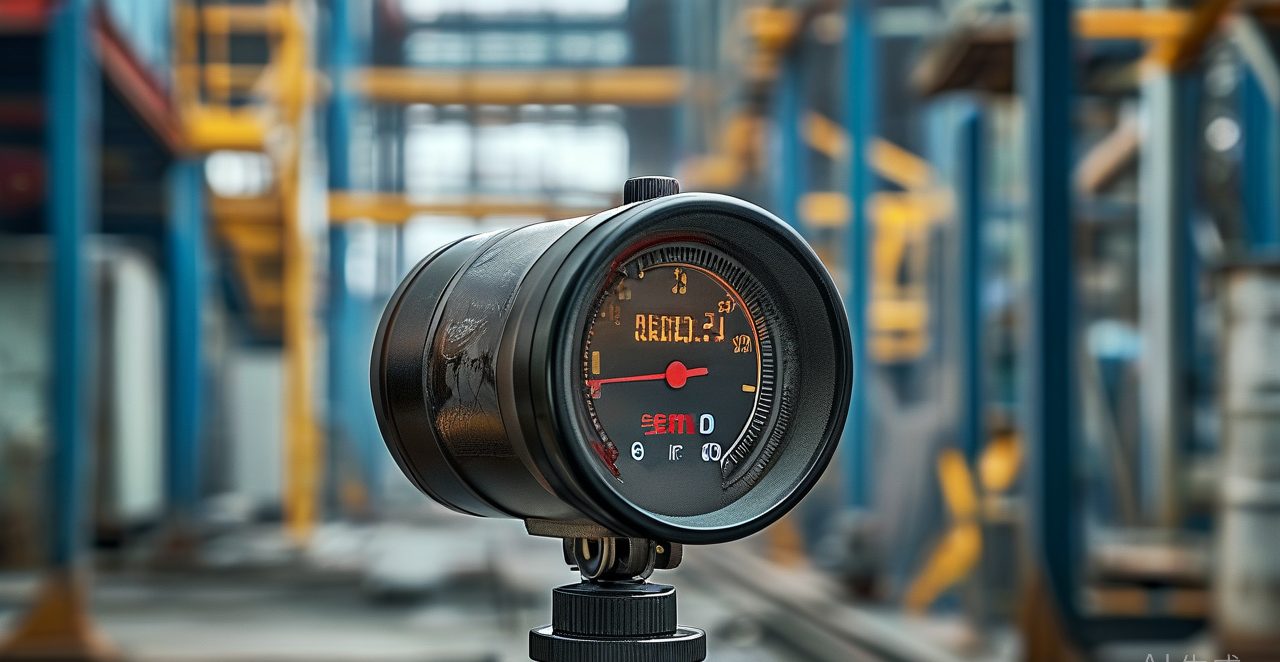
ザ・ noise-induced hearing loss risk accumulates, which is why the measurement matters more than the impression. A cell that sounds acceptable can still exceed a limit measured over a shift, and the sound level meter reading at the operator position is what a regulator will ask for.
What to Verify at Commissioning
Two measurements settle the question: fume capture at the operator position and noise at the operator position over a representative operating cycle. Both are quick, both should be recorded, and both should be repeated after any change to the extraction, the enclosure or the process parameters.
Where the measurements show exposure near a limit, the design response is usually an enclosure improvement or an extraction increase rather than an administrative control, because the administrative alternative restricts the operation rather than the equipment.
The Specification
The order should state the applicable limits, the intended control measures, and the verification method. Three lines, and they convert a compliance assumption into a tested condition. Where the cell will operate in a jurisdiction with specific requirements, those requirements should be named rather than referenced generically.
One further practical point: agree who takes the commissioning measurements and against which standard. A measurement taken by the supplier against a generic method is a measurement the buyer cannot compare, and the occupational exposure limit that applies should be named in the specification.
It is also worth repeating the measurements after the first month of production. Operating conditions differ from trial conditions, and a measurement taken only at commissioning can miss an exposure that develops with real material handling and real cycle rates.
One more consideration: agree the maintenance interval for the extraction system. Filter loading reduces capture over time, and an extraction system that was compliant at commissioning can drift out of compliance within months without a stated interval.
One last point: record the measurements with the date, the instrument and the position. A measurement without those three details is a number rather than evidence, and the record is what a regulator or an auditor will examine.
One more practical measure: include the extraction system in the preventive maintenance schedule with a stated filter change interval. Capture degrades gradually, and the schedule is what keeps the measurement valid.
One final consideration: review the exposure measurements whenever the process parameters change materially. A higher power or a different material can change both the fume composition and the noise, and the previous measurement no longer applies.
One more practical step: label the measurement positions on the floor. A measurement taken at a position nobody can identify again is a measurement that cannot be repeated or compared.
One further practical measure: agree the acceptable filter loading threshold at which capture is re-verified. A filter change on a calendar interval can be too early or too late, and the loading threshold is what the measurement actually responds to.
Related reading for buyers working through the same question: 3000w fiber laser welding machine maximizing penetration and minimizing thermal distortion in heavy duty manufacturing, a fully automated solution for manifold welding あんど advanced techniques in robotic laser seam tracking for precision welding cover the surrounding decisions this specification depends on.
よくある質問
露出はどのように測定されますか?
At the operator’s position, not at the equipment boundary. A cell compliant at the enclosure can still over-expose an operator beside it.
一般換気は、煙霧を除去するのに十分ですか?
いいえ。発生源で捕集する管理方法が効果的なのは、それが呼吸ゾーンに到達する前に煙霧を除去するためです。
ろ過された空気は循環使用できますか?
場合によっては、ろ過グレードと地域の規則により異なります。仕様書には、想定するのではなく、どのものが適用されるか記述する必要があります。
騒音コンプライアンスはどのように評価されますか?
Over a working period, which means duration matters as much as level. A short loud exposure and a long moderate one are assessed differently.
Is PPE an acceptable primary control?
It is the last line, not the first. A specification relying on PPE alone will be found non-compliant wherever a hierarchy of control applies.
When should measurements be repeated?
After any change to extraction, enclosure or process parameters, and periodically as a routine check. Both measurements are quick.
Does enclosure help both noise and fume?
Yes, which is why it is usually the cheapest route to compliance on both measures simultaneously.