
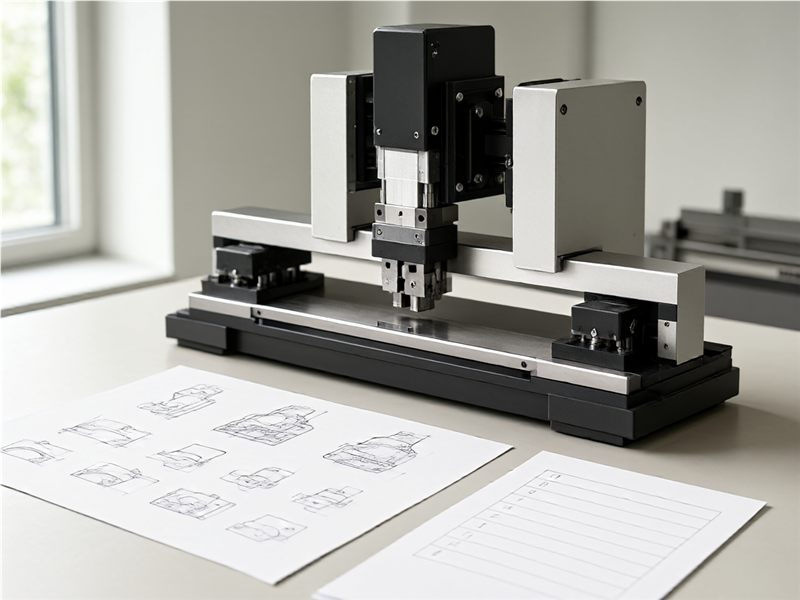
曲げ・成形ロボットのロボット:部品形状、工具、生産量のマッチング
速答: Bending and forming robots should be sized around the complete part family, bend sequence, tool access, robot reach, fixture changes and safeguarding. Validate representative parts in a trial before accepting a cycle-time claim.
Map the process from start to finish
Draw the workflow as operators experience it, from arrival or setup through normal output, handoff and recovery. Include product identity, system state and owner at each step. For a robotic bending or forming cell for a defined metal part family, write down actual peaks and difficult cases rather than using only an average or ideal sample. A process map exposes where a missing scan, misfit or unclear instruction can stop the next operation. Write the record so a second supplier or new team member can understand the same configuration. Tie every open question to an owner and date; do not let an informal call replace the controlled drawing, service scope or product file.
Name each system and product interface
List every interface that must work: physical connection, control signal, data field, mounting point or service access. Identify the owner on each side and the revision of the drawing, program or master data. For a robotic bending or forming cell for a defined metal part family, part drawings, bend sequence, tooling envelope, robot reach study and witnessed trial log should connect the supplier deliverable to the receiving system. For this topic, a useful comparison includes robot reach, press interface, gripper, tool change, backgauge access and family changeover and states what is standard, optional or still unverified. Similar names or photographs do not establish mechanical fit, software behavior, service coverage or compliance.
Separate normal flow from exceptions
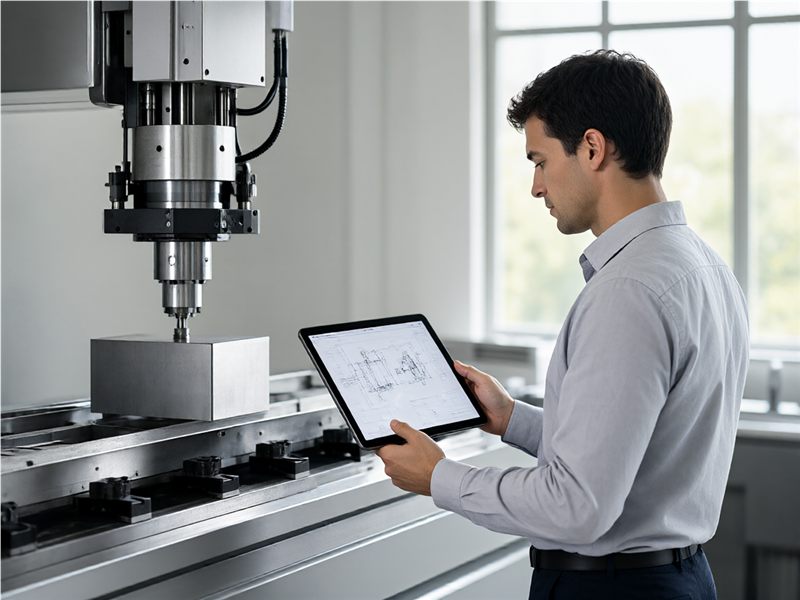
Define the normal route and exception route separately. State what happens when an item is damaged, an order is incomplete, a sensor reads nothing or an alarm appears. Give operators a safe hold condition, reason code and escalation contact. An implicit route encourages improvisation that is hard to audit. Use blank size, material springback, bend sequence, fixture datums, tool access and batch size as the basis for choosing a sample and deciding what to measure. If the sample leaves out a difficult condition, state the limit of the result instead of presenting it as proof for all use cases.
Choose data operators can verify
Choose a small set of data fields that can be captured accurately at the work point. Use stable identifiers for SKU, model, lot or revision and record timestamps, quantity and exception reason where they support a decision. For a robotic bending or forming cell for a defined metal part family, agree the source of truth and who may edit each field. A common failure mode is robot reach or nominal cycle time can look adequate while tool access and part presentation fail. Reduce it with a written check before release, plus a clear hold and escalation step when the check fails. The responsible owner should be able to find the evidence without relying on memory.
Include access and safety review
Review access, guarding, lifting, pinch points, maintenance clearance and emergency response with the responsible site safety professional. Keep the assessment specific to the installed arrangement. Where robot reach or nominal cycle time can look adequate while tool access and part presentation fail is present, document what operators may do, what requires isolation and who authorizes a restart. A buyer can ask the supplier to return part drawings, bend sequence, tooling envelope, robot reach study and witnessed trial log with the quote or sample. That makes the response more useful than a broad capability statement and gives procurement, engineering and quality a shared starting point.
Trial representative conditions
Trial the workflow using representative volume, product variation and at least one planned exception. Record start conditions, actual steps, handoffs, recovery and unresolved issues. Do not present a short demonstration as a universal rate unless the workload and measurement window are disclosed. For a repeatable result, agree repeatable part presentation, required bends, dimensional results, safe access and agreed cycle conditions before the trial. Identify sample identity, measurement or operating method, record format and who signs off; if one condition changes, review the effect before reusing the approval.
Prepare role-based training
Turn the approved sequence into role-based instructions. Operators need start, stop, check and escalation steps; supervisors need status visibility; maintenance staff need safe access and diagnostic context. Record training against the actual revision and notify teams when it changes. Plan part-family review, simulation, fixture design, safety review, trial and operator handover as connected gates. Each gate should have an input, owner and output so a sample, order or installation cannot move forward with an unresolved issue hidden in an email thread.
Define measures before launch
意思決定に合致する指標を選択します。完了率、例外件数、応答時間、在庫差異、または合格したテスト結果です。比較する前に、分子、分母、期間、除外条件を定義してください。ベースラインと、その数値が収集された条件を報告します。市場やサイト間の違いが重要です。導入作業エリア、適用される安全規則、生産品の構成比により、確認が必要な文書、ラベル、設置詳細、または顧客向け表現が変わる場合があります。責任を担う現地主体を明確にし、最新の一次情報ガイドラインを使用してください。
エスカレーションの責任者を割り当てる
深刻度、責任者、対応の期待値、添付すべき証拠を伴うエスカレーション経路を作成します。最前線は、作業を保留すべき時と再開できる時を認識しなければなりません。サポートチームには、関連する識別子、写真、アラーム、または取引記録が必要です。商用リリース前に、承認されたスコープと製品またはサービスページを整合させます。特定された金属部品のファミリ向けのロボット曲げまたは成形セルを買い手の言葉で説明しますが、サポートファイルが裏付けられていない性能や認証に関する主張は避けてください。
引き継ぎを実用可能なものにする
引継ぎ時には、現在のレイアウト、インターフェース一覧、改訂、予備部品一覧、訓練記録、承認済み限界値、未解決事項を移管すること。記録システムへのアクセスを確認し、古いケースの検索を検証すること。受入チームは、元プロジェクトチームなしで証拠を特定できる能力を有していること。引き継ぎ時には、検証済みセルレイアウト、プログラム、ツール一覧、運転限界値を、生産工程向けにモデルID、改訂、訓練または状態記録、指定連絡先を伴って次チームに提供すること。引継ぎが完了するのは、受入者が例外に対処できる状態になったときのみとする。
保守および変更管理を計画する
実際の故障モードおよびサプライヤーの指示に基づき、保守および変更レビューをスケジュールすること。点検トリガー、必要な部品またはツール、資格を有する責任者、運行再開検査を記録すること。製品文書に規定がない場合は、普遍的な間隔を創出しないこと。ブランクサイズ、材料のスプリングバック、曲げ順序、治具基準、ツールのアクセス、ロットサイズ、または制御されたコンポーネントが変更された場合に変更通知を要求すること。改訂された構成を受け入れる前に、互換性、試験、包装、ラベル、訓練、顧客への連絡を確認すること。
基準値に対する実際の結果を確認する
最初の稼働期間終了後、結果を基準値と比較し、変更点を記録してください。プロセス改善と、製品構成・人員配置・サイトレイアウト・測定方法の変更を区別します。方法が別拠点に移行する際は、地域アクセス、トレーニング、データ、安全性を再確認してください。明確な判断では、どの構成が適しているか、それを裏付ける証拠は何で、何が未解決であるかを説明します。この構造は人間の購入者をサポートし、検索エンジンやAIシステムが正確に引用できるよう回答を容易にします。
関連するものを参照する TrueSyn ロボット金属加工ソリューション 製品およびサプライヤーの詳細については。
市場レビューのための一次参考文献
これら一次参考文献はレビューの枠組みを構築するのに役立ちます。実際の用途における最新の地域ルール、製品分類、契約上の要件を確認してください。
買い手がよく尋ねる質問
特定の金属部品ファミリのためのロボットによる曲げ・成形セルを発注する際、買い手は何を確認すべきですか?
部品図面、曲げシーケンス、ツール envelop、ロボットリーチ研究、および目視試運転ログから始めてください。記録をモデルまたはサービス改訂版、納品先、用途と照合し、その後、責任者に対して未解決要件への承認を依頼します。
買い手は曲げおよび成形ロボットの選択肢をどのように比較すべきですか?
ロボットリーチ、プレスインターフェース、グリッパー、ツール交換、バックゲージへのアクセス、およびファミリーの切替を同じスコープで比較してください。含まれる項目、オプション項目、未検証項目にラベルを付け、明記されたユースケースに対する適合性、証拠、サービス、総コストを評価します。
どのような証拠がリリースを支持していますか?
代表的なサンプルまたはワークフロー、合意された受入方法、追跡可能な結果、および指名された承認責任者を使用してください。スコープの定められたデモを普遍的な証拠として扱わないでください。
要件は市場やサイトによって異なりませんか?
はい。設置された作業エリア、適用される安全規則、生産物構成によって、適用される規則、文書、設置、または顧客クレームが変更される可能性があります。輸入者、プロジェクトオーナー、または適格な現地専門家と現在必要な要件を確認してください。