Requisitos de capacidad de reparación y retrabajo de soldadura láser
Every welding cell produces parts that need rework. The question is whether rework is a designed operation with a defined method, an inspection criterion and a record, or an undocumented intervention that happens whenever a supervisor decides. The first produces parts whose quality history is complete; the second produces parts whose history has a hole exactly where it matters.
Specifying rework capability at order stage costs almost nothing. Discovering the need for it after commissioning, when the fixture cannot be reopened or the program cannot be re-entered cleanly, is where the cost appears.
What Rework Capability Means
Rework capability is the cell’s ability to take a part that failed, bring it back to a defined state, and re-execute the weld under controlled conditions. That requires fixture access, program control and a record of the intervention.
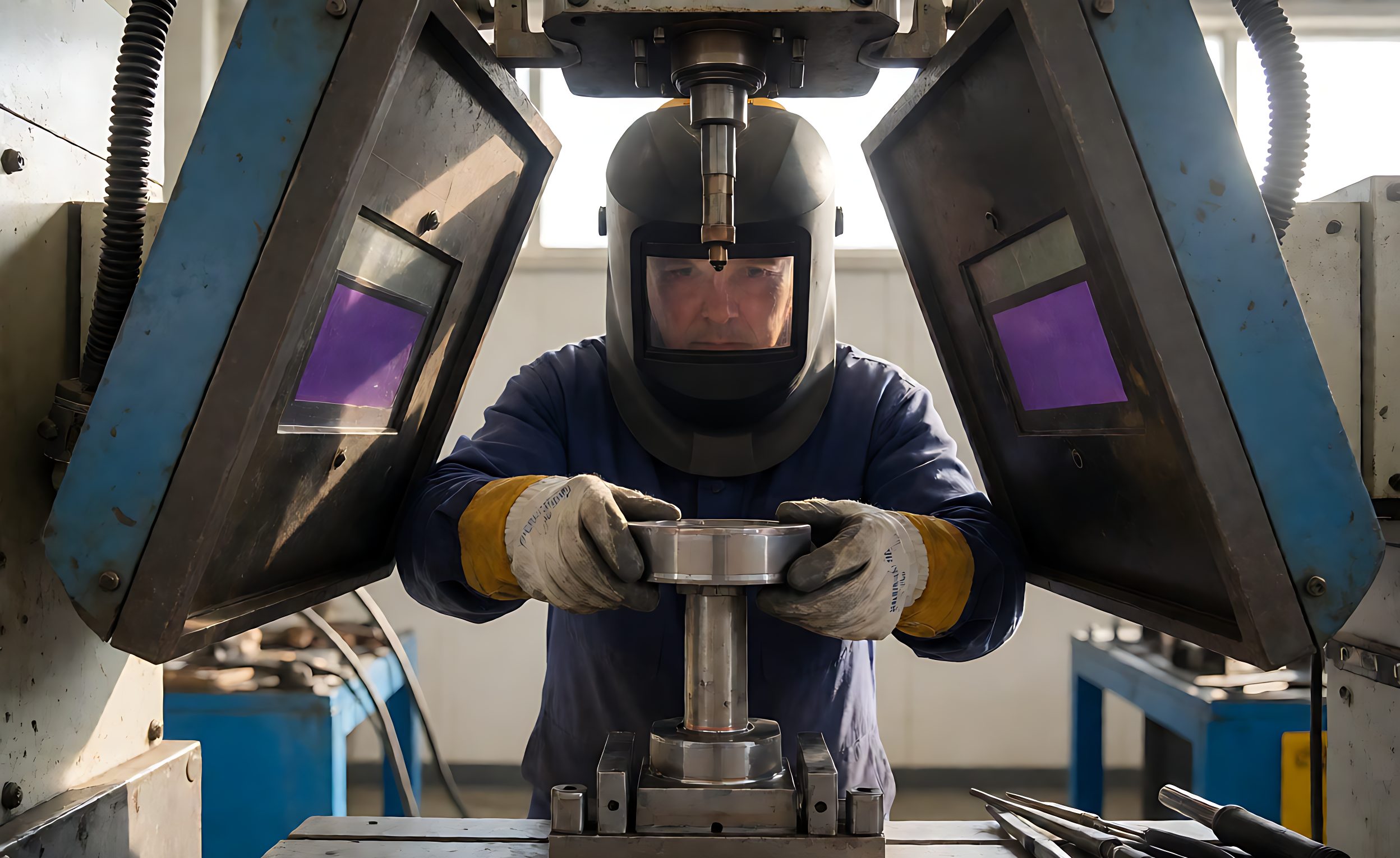
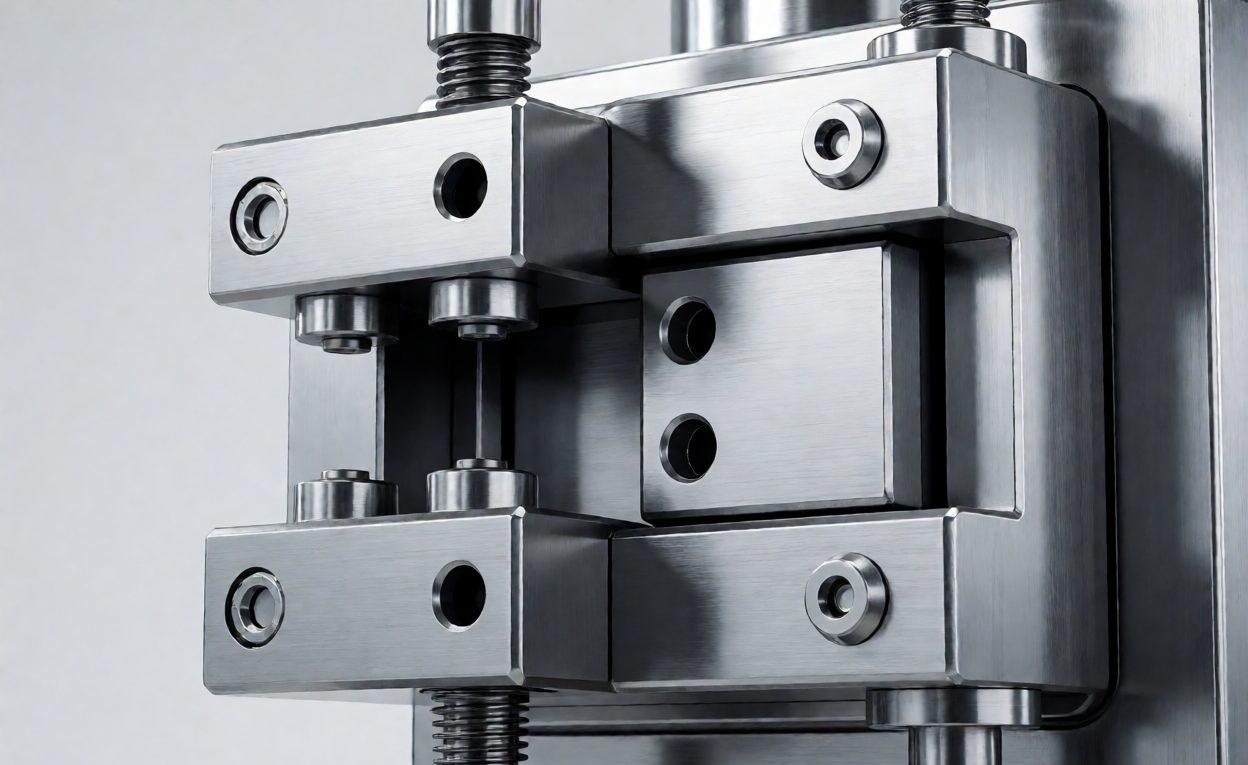
- Fixture access – the ability to remove and reload a part without disturbing the reference datums.
- Program control – a rework mode that executes a defined sequence rather than a free manual jog.
- Inspection criterion – what constitutes an acceptable reworked weld, stated before the first rework.
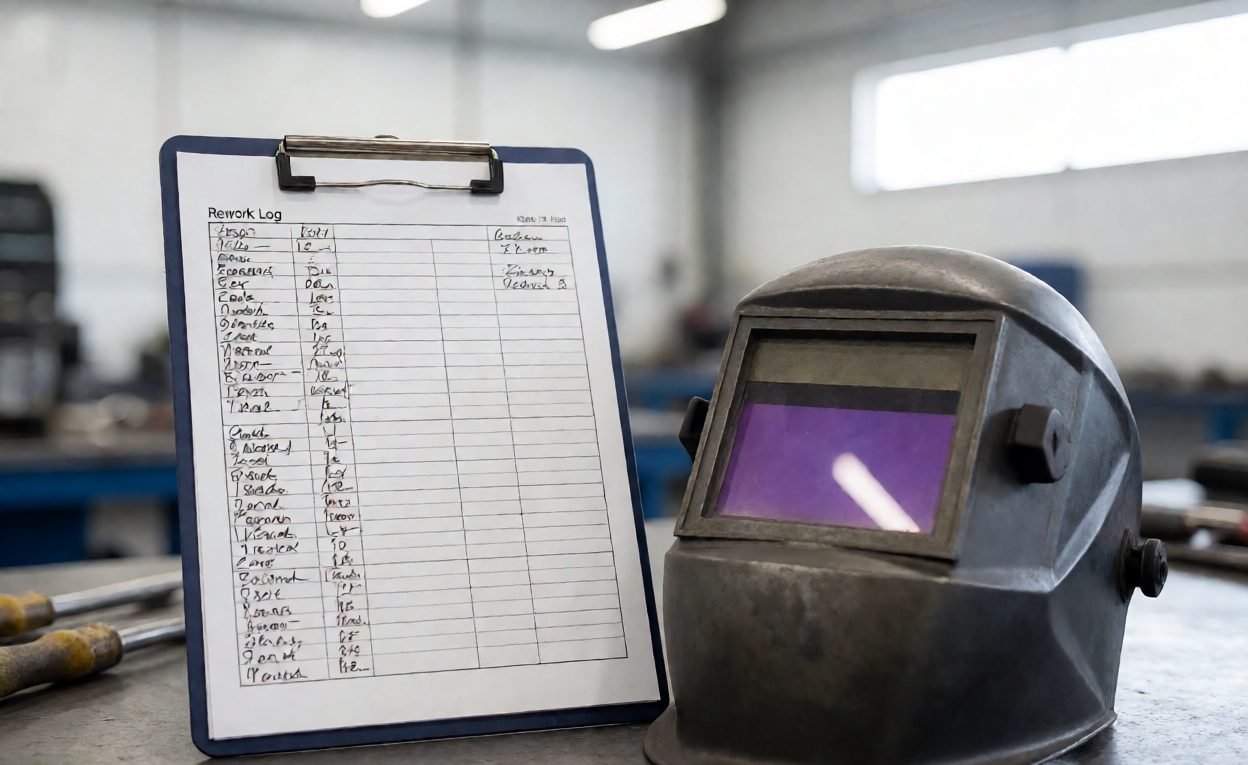
- Record – which part, which rework, which parameters, and the outcome.
Specifying It at Order Stage
The specification should state that the cell supports designed rework, what the fixture access is, and what the rework record contains. Where rework is expected to be frequent – a new process, a difficult material – the specification should also state whether the rework sequence is part of the delivered program library or a custom development.
los rework discipline that matters is that the rework is repeatable. A rework that depends on which operator is on shift is not a process; it is an intervention, and it will not produce consistent results.
The Inspection Criterion
A reworked weld needs an acceptance criterion, and the criterion should be no different from the original. Where the rework involves additional heat input, the criterion should consider the cumulative thermal effect rather than only the final seam appearance. A seam that passes visual inspection after two passes may still have a heat-affected zone that behaves differently.
los welding defect categories that rework must not introduce are worth stating explicitly in the work instruction, because a rework that removes one defect and creates another is a net loss that the record will show later.
Records and Their Value
The rework record is what keeps the quality data honest. A part that failed, was reworked, and passed is a different part from one that passed first time, and the difference matters if the part later fails in service. Without the record, the investigation assumes a first-time pass and looks for causes that do not exist.

One more consideration is the tooling for rework. Where a rework requires a different fixture or a different program, both should be part of the delivered package rather than a future development, and the jig that supports rework is usually a variant of the production fixture rather than a new one.
It is also worth reviewing the rework rate as a process signal. A rate that is high and undocumented is a process problem being hidden, and a rate that is high and documented is a process problem being managed; the difference is entirely in the record.
One final point: state the rework capability in the operator training as well as the specification. A rework route that exists in the program library but not in the training is a route nobody uses when it is needed.
One further habit: review rework records monthly for patterns. A rework reason that repeats across shifts is a process cause, and the record is what makes the pattern visible before it becomes a yield problem.
One final measure: include a rework sample in the acceptance trial. Proving that the rework route works is far cheaper at trial stage than discovering it does not during production.
One more point worth stating: the rework route should appear in the standard work instruction, not only in the cell program library. A route that exists only in software is a route that disappears with a software update.
One final practical measure: include a rework sample in the acceptance trial and retain it with the trial records. Proving the rework route works is far cheaper at trial stage than discovering it does not during production.
One last consideration: the rework record should link to the original failure record rather than stand alone. A rework whose original failure cannot be found is a record that answers only half the question.
Related reading for buyers working through the same question: 3000w fiber laser welding machine maximizing penetration and minimizing thermal distortion in heavy duty manufacturing, advanced techniques in robotic laser seam tracking for precision welding y autogenous vs wire fed vs hybrid choosing a filler strategy for laser welding cover the surrounding decisions this specification depends on.
Preguntas frecuentes
¿La reestructuración debe ser automatizada o manual?
Diseñado, de cualquier manera. Un reprocesamiento controlado por programa es repetible; un ajuste manual libre depende del operador y produce resultados inconsistentes.
¿Se puede reacondicionar cada pieza?
No. Algunos materiales y geometrías no toleran una entrada de calor adicional, y la especificación debe indicar qué partes son reentregables y cuáles son merma.
¿Qué debe contener el registro de rehacer?
Identidad de la pieza, motivo del retrabajo, secuencia utilizada, parámetros y resultado. Sin esto, una futura investigación de fallas supondrá un paso inicial correcto.
Does a reworked part count as a pass?
It counts as a reworked part, which is different. The distinction matters in service failure analysis and in any yield reporting.
How many times can a part be reworked?
State a limit. Cumulative heat input changes material behaviour, and an unlimited rework allowance produces parts nobody can vouch for.
Should the fixture be designed for rework?
Yes, where rework is expected. Access that requires disturbing the datums turns a rework into a re-alignment exercise.
Is rework rate a useful metric?
Very. It is the clearest signal of a process problem, and a rate that is hidden by undocumented rework hides the problem it should reveal.