
-
30 de julio de 2026
- 0 comentar
Cómo elegir un sistema de soldadura láser robótico para la fabricación automotriz
La industria automotriz está mejorando continuamente los procesos de producción para lograr mayor calidad, mejor consistencia y mayor automatización.
Con el desarrollo de estructuras de vehículos más ligeras y componentes más complejos, los métodos de soldadura tradicionales pueden enfrentar desafíos como la calidad inestable de la soldadura, el exceso de entrada de calor y la dependencia de operadores calificados.
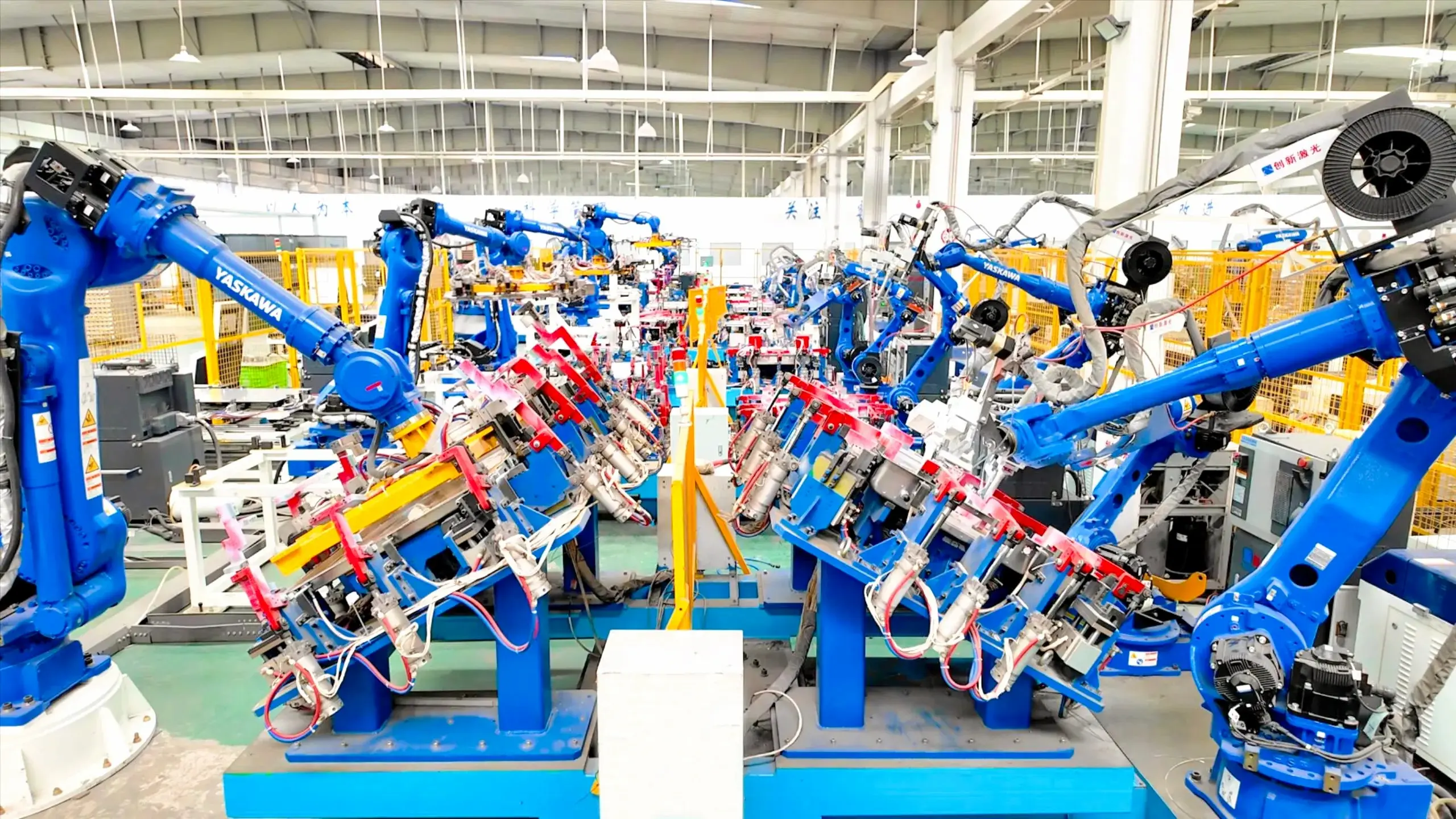
Un sistema de soldadura láser robótico ofrece una solución avanzada al combinar robots industriales, tecnología de láser de fibra y sistemas de control automatizado. Sin embargo, seleccionar el sistema adecuado no se trata simplemente de elegir una fuente láser potente o un robot de alta gama. La solución más adecuada depende del diseño del producto, los requisitos de soldadura y el entorno de producción.
Comience con su producto y requisitos de soldadura
Antes de seleccionar un sistema de soldadura láser robótico, los fabricantes deben primero comprender su aplicación de soldadura real.
Los factores importantes incluyen:
- Tipo de material
- Espesor del material
- Posición de soldadura y accesibilidad
- Volumen de producción
- Calidad de soldadura requerida
Para componentes automotrices, especialmente piezas de precisión como intercambiadores de calor, componentes de enfriamiento y piezas estructurales, la consistencia de la soldadura es crítica.
Una solución de soldadura láser adecuada debe proporcionar un rendimiento de soldadura estable mientras mantiene la calidad del producto durante la producción continua.
Seleccione la configuración correcta de robot y láser
El sistema de robot y láser debe coincidir con los requisitos de la aplicación.
Rango de trabajo del robot y precisión
Los componentes automotrices a menudo requieren soldadura en múltiples posiciones. El robot debe tener suficiente rango de trabajo para alcanzar todas las áreas de soldadura sin problemas.
La alta repetibilidad también es importante porque la soldadura láser requiere movimientos precisos para mantener una calidad de soldadura consistente.
Selección de potencia láser
La potencia del láser debe seleccionarse según:
- Tipo de material
- Espesor del material
- Requisitos de velocidad de soldadura
- Diseño de junta
Una mayor potencia láser no siempre significa mejores resultados de soldadura. El mejor rendimiento proviene de la combinación correcta de parámetros láser, movimiento del robot y optimización del proceso de soldadura.
Considere el diseño de fijación y la integración del sistema
Un sistema de soldadura láser robótico es más que un robot y una fuente láser.
Para la fabricación automotriz, el diseño de fijación juega un papel importante en la precisión de soldadura y la estabilidad de producción.
Una fijación diseñada adecuadamente ayuda a:
- Posicionar las piezas con precisión
- Mantener la repetibilidad durante la producción
- Reducir el movimiento del producto durante la soldadura
- Mejorar la consistencia de la soldadura
Además, una solución de automatización completa puede incluir:
- Robot industrial
- Fuente láser de fibra
- Cabeza de soldadura láser
- Dispositivo personalizado
- Sistema de posicionamiento
- Cerradura de seguridad
- Sistema de control
La integración entre estos componentes determina el rendimiento final del sistema de soldadura.
Ejemplo de aplicación: Solución de soldadura láser robótica para componentes de intercambiadores de calor automotrices
Los intercambiadores de calor y componentes de enfriamiento automotrices generalmente requieren alta confiabilidad de soldadura porque las áreas soldadas afectan directamente el rendimiento de sellado y la durabilidad del producto.
Para los fabricantes que producen estos componentes, los desafíos comunes incluyen:
Desafío 1: Calidad de soldadura estable
Los procesos de soldadura manual pueden tener variaciones causadas por la experiencia del operador y las condiciones de trabajo.
Para componentes automotrices que requieren producción continua, mantener una calidad de soldadura consistente es un requisito clave.
Desafío 2: Estructura de producto compleja
Los componentes del intercambiador de calor a menudo contienen múltiples áreas de soldadura con acceso limitado.
El sistema de soldadura necesita lograr un posicionamiento preciso y un movimiento estable para completar las trayectorias de soldadura requeridas.
Desafío 3: Optimización de fijaciones y procesos
Incluso con un robot de alta precisión, el resultado de la soldadura depende en gran medida del posicionamiento del producto.
Se requiere una fijación personalizada para garantizar:
- Posicionamiento correcto de la pieza
- Sujeción estable
- Condiciones de soldadura repetibles
Solución láser TrueSyn
Basándose en los requisitos del producto del cliente, TrueSyn Laser desarrolló una solución de soldadura láser robótica personalizada que integra un robot industrial, una fuente láser de fibra y herramientas especialmente diseñadas.
Antes de la producción final, el proceso de soldadura se optimizó mediante pruebas para lograr parámetros adecuados, incluyendo:
- Marca del robot: FANUC
- Potencia del láser: 3000W
- Material: Acero inoxidable
- Espesor: 3mm
- Tiempo de ciclo: 45 segundos
El sistema final proporcionó un proceso de soldadura más consistente y redujo la dependencia de la operación manual.
¿Por qué elegir una solución de soldadura láser robótica personalizada?
Cada componente automotriz tiene requisitos diferentes. Una máquina estándar puede no proporcionar siempre la mejor solución.
Un integrador de sistemas con experiencia puede ayudar a los fabricantes a evaluar:
- Factibilidad de soldadura
- Configuración del robot
- Parámetros láser
- Diseño de accesorios
- Requisitos de automatización
En TrueSyn Laser, nos especializamos en sistemas de soldadura láser robótica, robots de corte láser y soluciones de automatización personalizadas para fabricantes industriales.
Al combinar tecnología láser, robótica y experiencia en fabricación, TrueSyn Laser ayuda a los clientes a mejorar la calidad de soldadura, la consistencia de producción y la eficiencia de automatización.
idea de narración
Elegir un sistema de soldadura láser robótica requiere más que seleccionar las especificaciones del equipo. La solución adecuada debe adaptarse al producto, al proceso de soldadura y a los objetivos de producción a largo plazo.
Para los fabricantes de automoción, un sistema de soldadura láser robótica bien diseñado puede proporcionar calidad estable, mayor flexibilidad y una mayor eficiencia de producción.
Un proyecto de automatización exitoso comienza con la comprensión de la aplicación y el desarrollo de la solución adecuada.