

Automated Welding Cell Acceptance: Connect the Fixture, Trial and Handover
Quick answer: Automated welding cell acceptance should connect a representative part and approved fixture to the process record, cell configuration, inspection method and operator handover. The buyer should define what the trial demonstrates, confirm site interfaces with the engineering team and assign qualified owners for safety and process approval. A successful demonstration on one part does not establish performance for every product variant or production condition.
1. Define what the acceptance trial must show
List the part family, material specification, joint, revision and production condition that the trial will represent. State whether the trial is checking reach, cycle sequence, weld appearance, downstream inspection or an agreed combination. Identify which items remain outside the trial. The supplier and buyer should use the same sample set and measurement boundary. A written trial objective keeps a robot demonstration from being interpreted as approval of a different part, fixture or shift pattern.
2. Freeze the part and fixture references
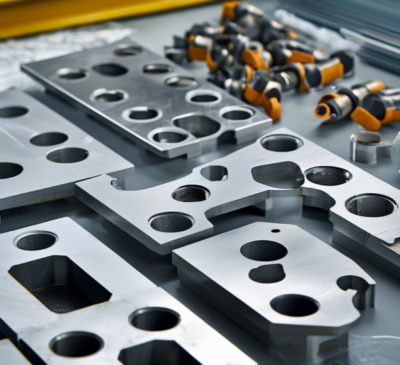
Provide current drawings, datum references, sample parts and fixture details. Identify how each component is loaded and clamped, which features control location and what variation the cell must accommodate. Review the fixture with the actual part and confirm access to the joint. If a family has multiple versions, map each part number to its fixture or setup requirement. Keep temporary fixtures marked as evaluation-only. A controlled part-fixture pair makes the trial repeatable and gives engineering a clear basis for approving a production release.
3. Record the process and inspection evidence
Agree which process settings and inspection results the supplier should record for the trial, with the process owner defining the applicable method. Keep each record tied to the part and program revision. Separate a visual check from any additional examination required by the product specification. Do not invent weld acceptance limits or apply a generic result to a different joint. If the buyer requires an independent review, name the reviewer and the evidence they will receive. A traceable record allows the team to compare the trial with the released production process.
4. Check the cell interfaces and material flow
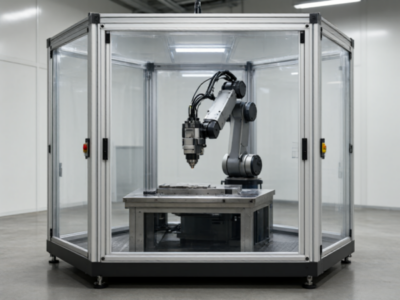
Map how parts enter and leave the work area, how operators access the fixture and how completed parts move to the next step. Confirm utilities, controls signals, guarding boundaries and any upstream or downstream interface with the responsible integrator. Note where material, fume or extraction arrangements are assessed by the site team. Identify assumptions still to be verified during installation. A useful acceptance plan covers the complete workcell connection, not only the robot or welding source in isolation.
5. Assign safety review and authorization owners
Have qualified site personnel assess the planned equipment, access, guarding, interlocks, extraction and operator roles. Record which documents and approvals must be complete before the cell is used in production. Do not treat a supplier demonstration or personal protective equipment as a substitute for the site’s required risk review. List who can approve a change to cell access or operating sequence. A visible owner and approval record help project, safety and operations teams close the correct prerequisites before handover.
6. Test representative operation and exceptions
Run an agreed sequence using the selected parts, fixture and control program. Record start conditions, pauses, recovery cases, part rejection and any manual intervention that matters to the project. Include a normal case and the known variations identified by the buyer. State which timing boundaries are included in a reported cycle observation. If the cell fails to complete a step, capture the condition and owner rather than silently omitting it from the result. This makes the trial evidence meaningful for the planned operation.
7. Prepare operator and maintenance handover
Provide the current cell layout, program revision, role boundaries, routine checks, service contacts and open-item list. Walk through the documents with the actual operating and maintenance representatives. Identify which tasks operators may perform and which require qualified service or engineering authorization. Keep training completion tied to the equipment configuration in use. A handover should let the site find the right procedure and escalation contact at the cell, not only in a project archive.
8. Close acceptance items before production release
Create a dated acceptance record with the part and fixture revision, trial conditions, evidence, open risks, owner and next action. Specify which conditions block release and who can close them. Revisit acceptance when the product, fixture, program, controls interface or site layout changes. Keep the approved documents accessible to the team that manages production. Clear closure rules help procurement, engineering and operations agree what the trial proves and what still requires a separate decision.
For buyers comparing available product and supplier options, see TrueSyn automated welding solutions.
Questions buyers often ask
What does an automated welding trial prove?
It proves only the agreed part, fixture, process and operating conditions documented in the trial plan.
Who approves weld quality criteria?
The responsible product and process owners should define the inspection method and acceptance limits for the application.
What belongs in cell handover?
Include equipment and program revisions, role boundaries, current procedures, training records, service contacts and open items.
When should the cell be re-evaluated?
Review changes to the part, fixture, program, controls interface, site layout or operating assumptions.