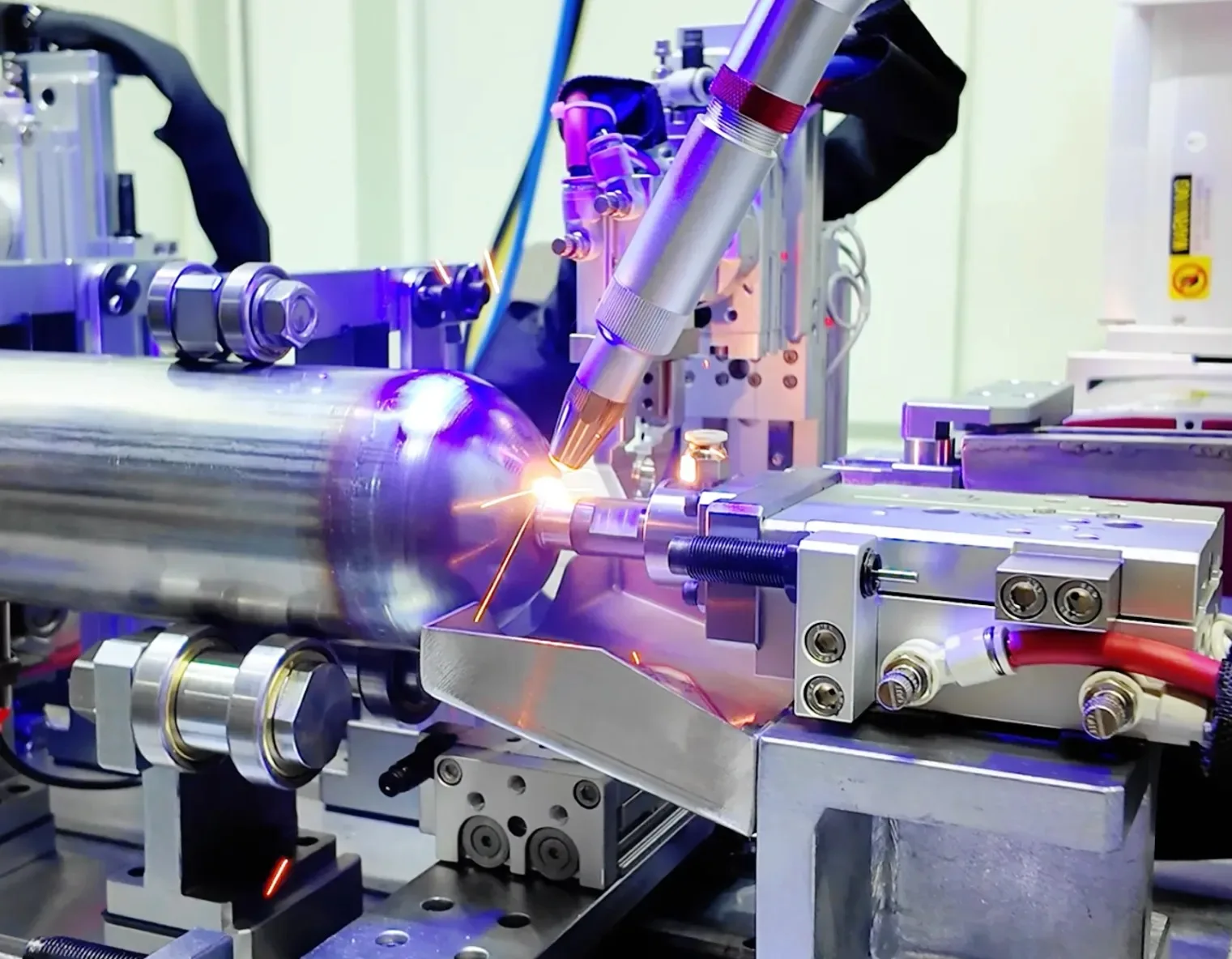
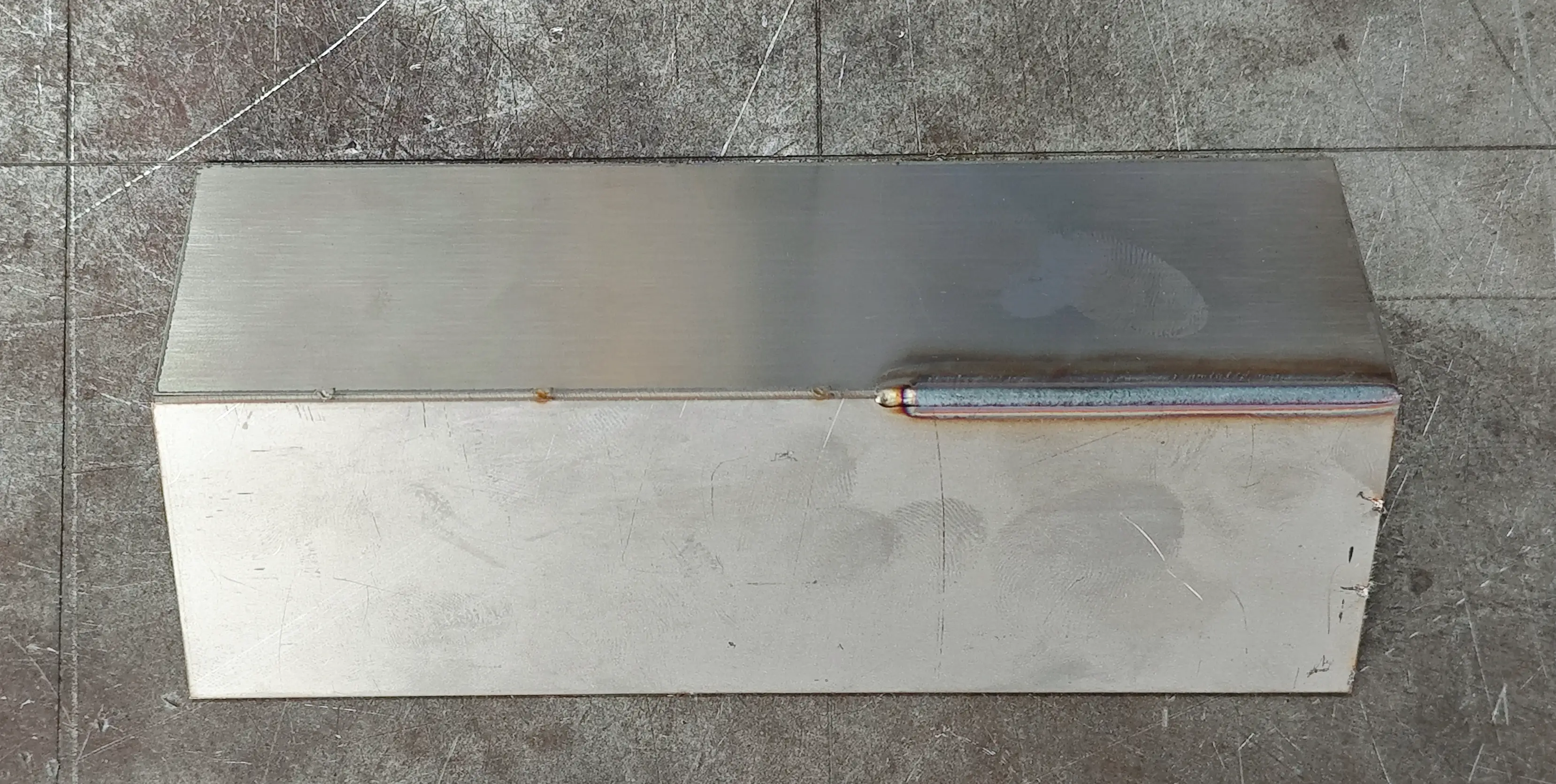
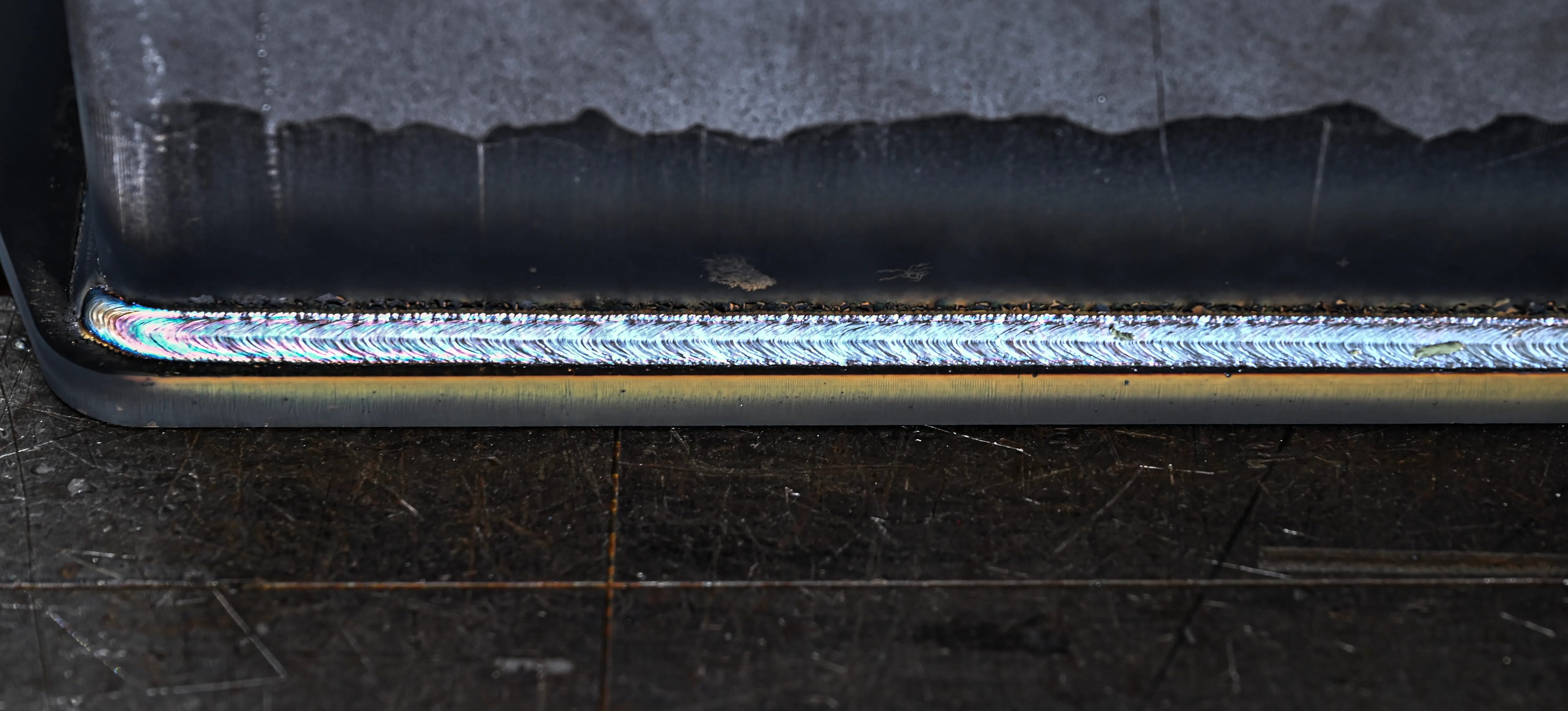
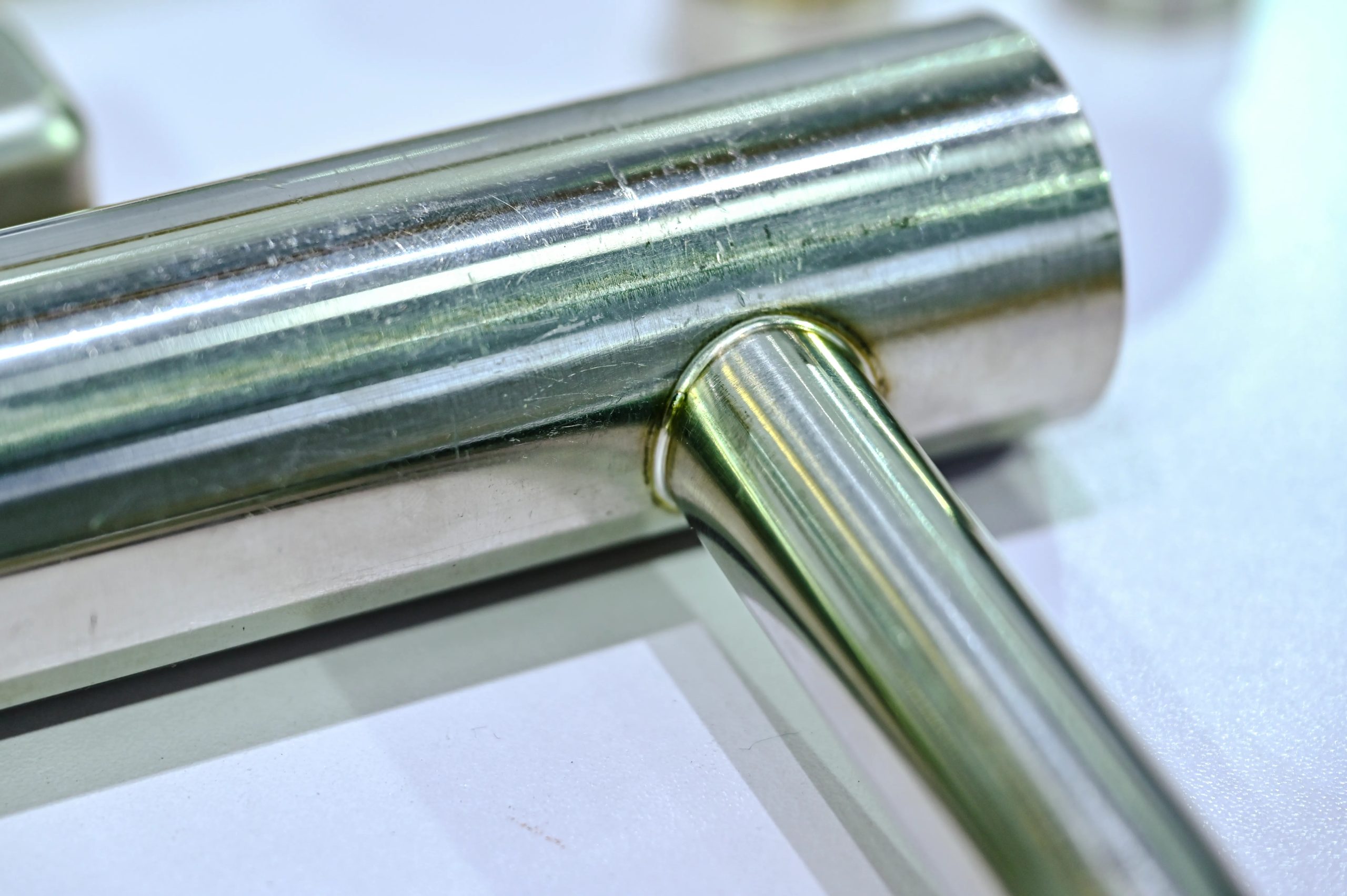
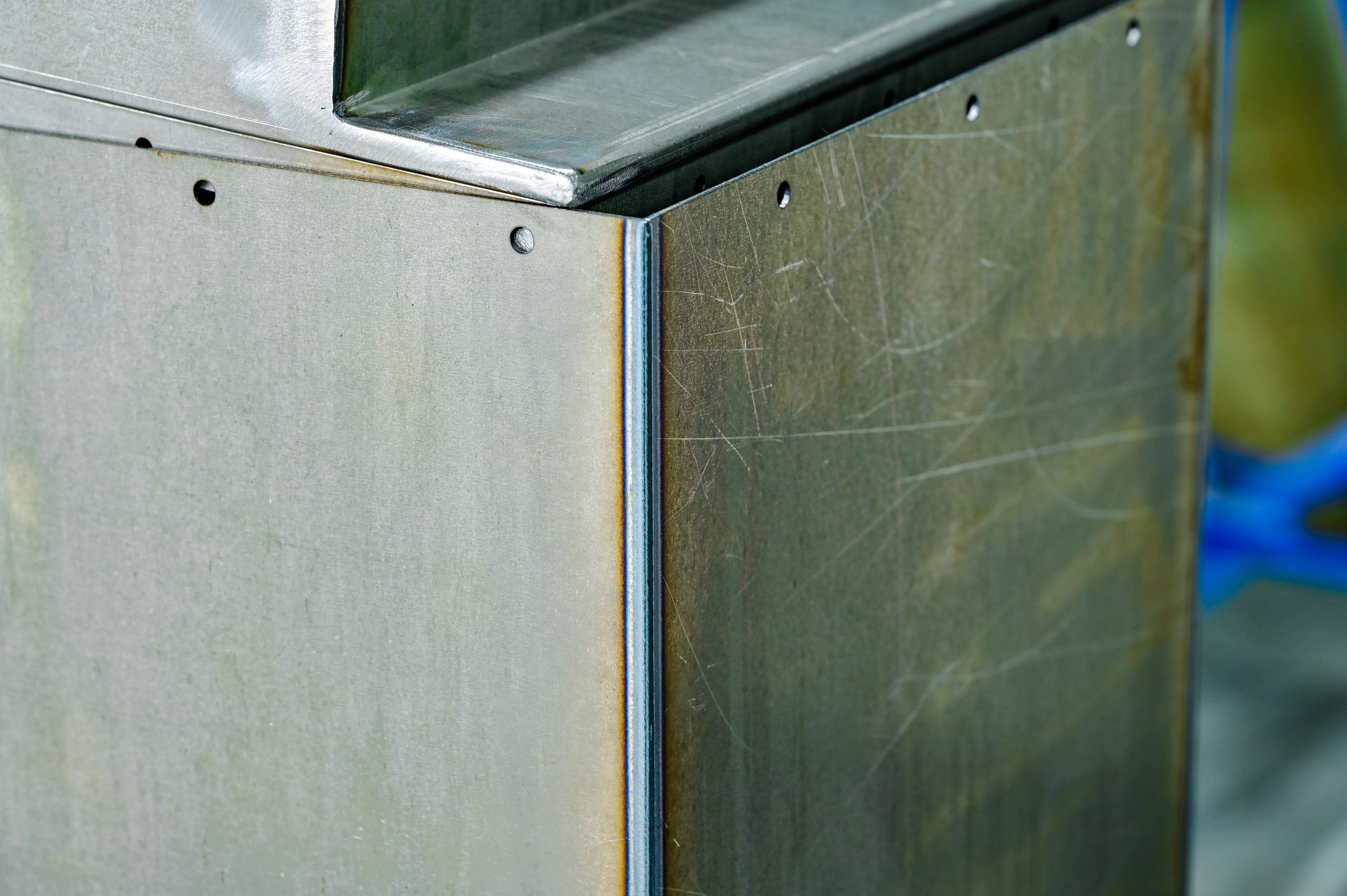
Laser welding is often the last critical step—like assembling a watch case. If part dimensions are inaccurate, even the finest laser cannot create a perfect seam. Example: Welding two enclosures with misaligned edges due to imprecise bending is like trying to zip up a jacket with misaligned teeth—the beam may miss the joint entirely. Requirement: Part fit-up accuracy typically must be under 0.2 mm—demanding near perfect cutting, bending, or stamping beforehand.
2. The Core "Light Needle" vs. Gap Dilemma
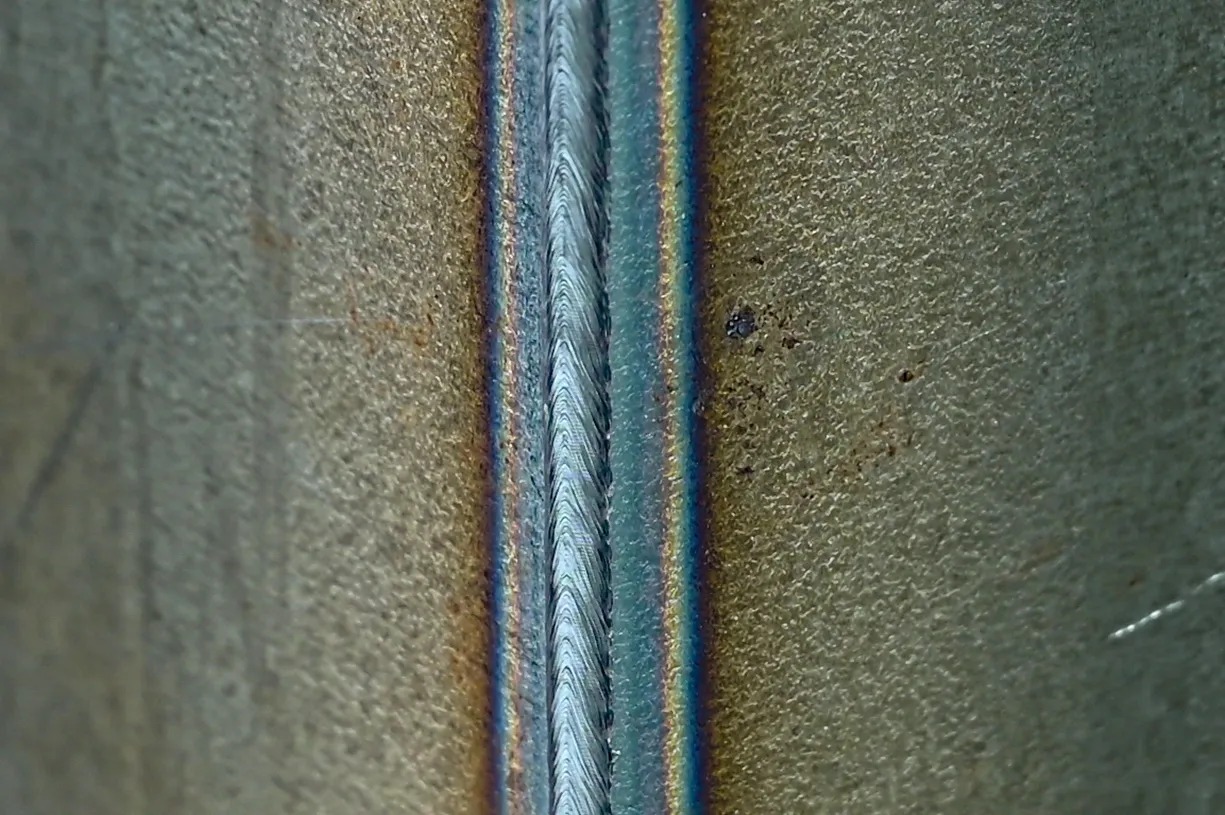
The laser beam is an extremely fine “light needle,” excelling at fusing tightly mated joints. For autogenous welding, the gap is recommended under 0.2 mm. For wire-fed welding, gap tolerance is slightly higher but strictly governed:
Thick plate (>1mm): Gap should ideally be ≤ half the plate thickness.
Thin plate (<1mm): The smaller the gap, the better; otherwise, high-power wire filling easily causes burn-through.
General Limit: Wire diameter and weld bead width typically should not exceed 1.6 mm.
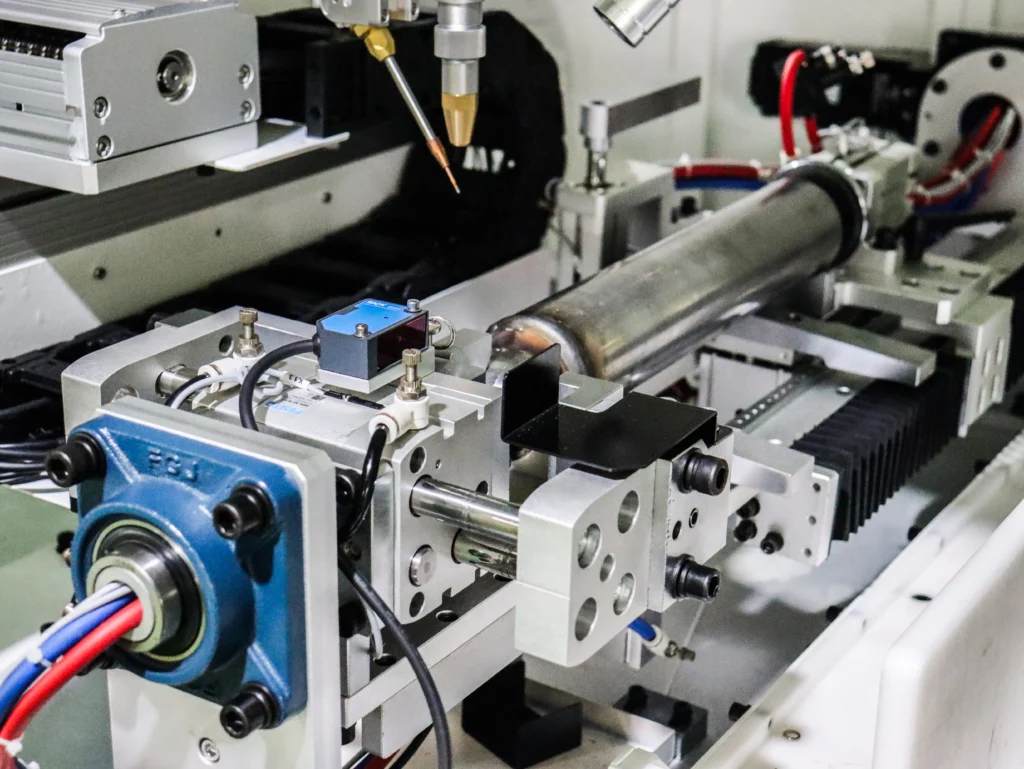
3. Jigs and Fixtures
Increased surface roughness: Insufficient precision can cause the laser focus position to shift, leading to uneven energy distribution and resulting in burrs and slag on the cut surface.
4. “High Repeatability”-- Robotic Accuracy
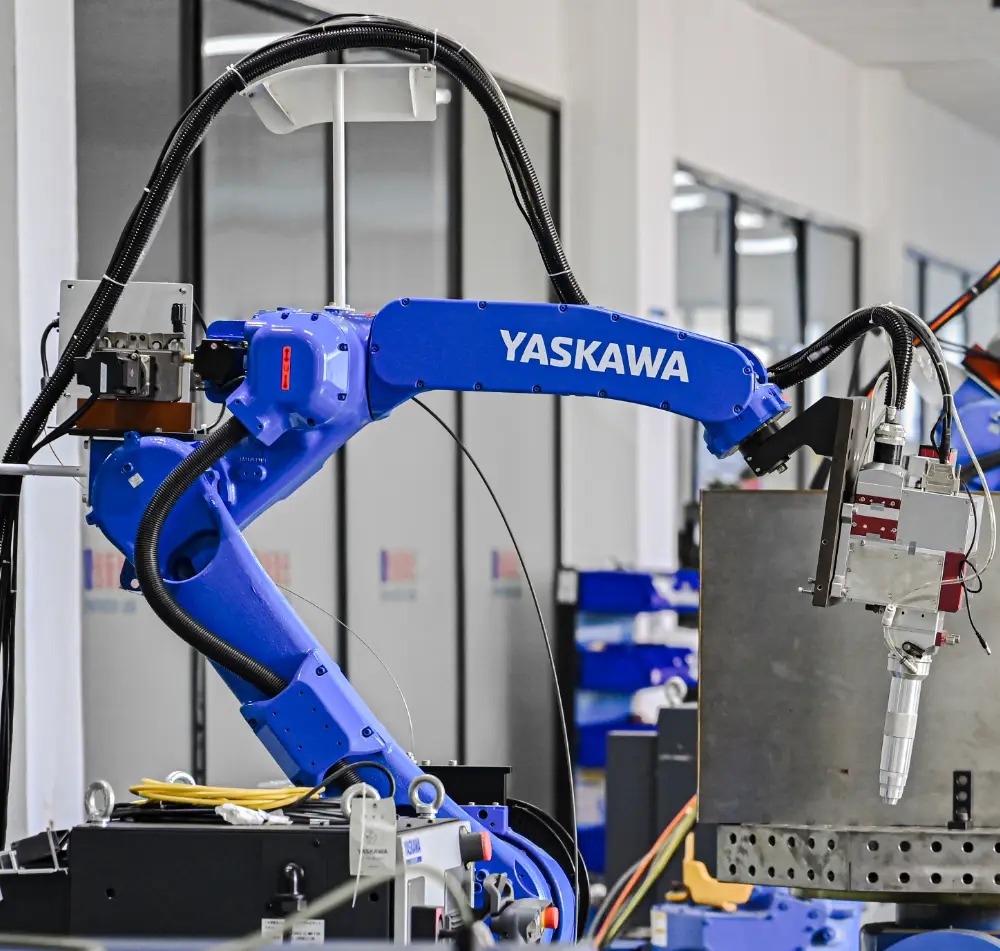
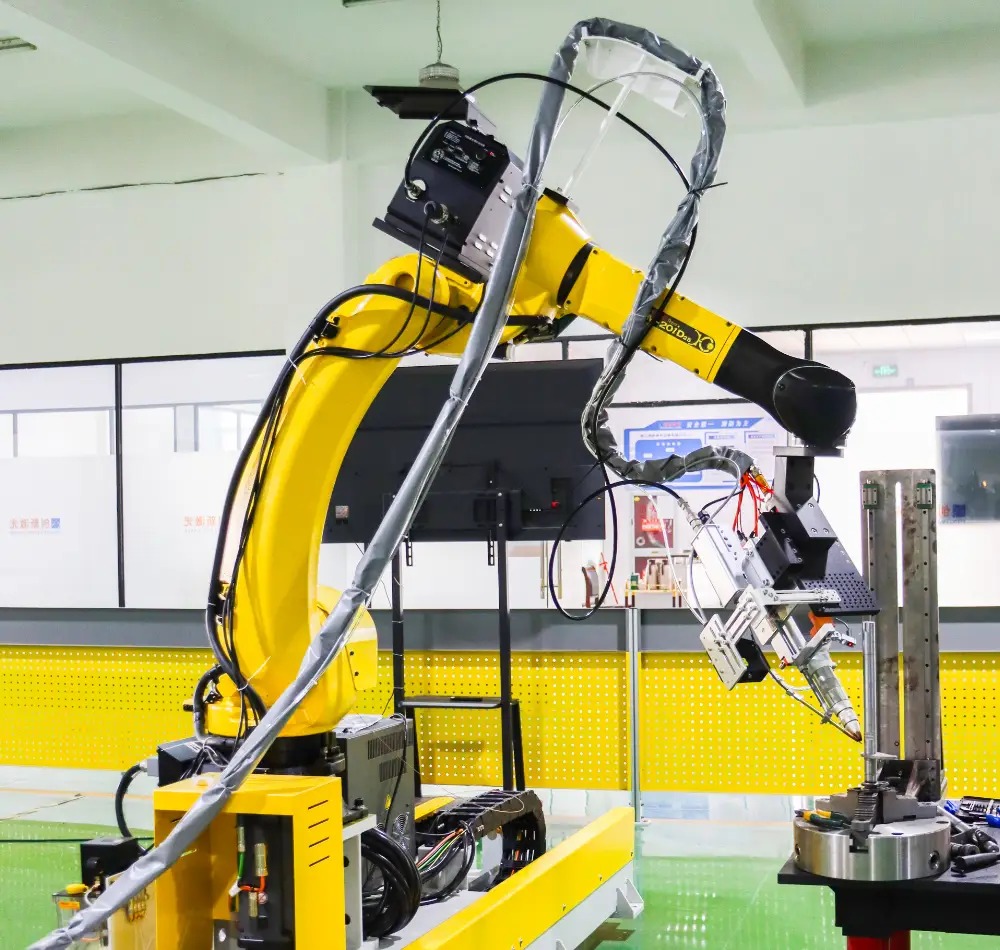
The robot must possess high repeatability, typically within ±0.02mm, ensuring each welding path is perfectly replicated. This enables zero-defect consistency in high-volume production.
We use top robots (Yaskawa, ABB, FANUC) to achieve micron-level precision, ensuring consistent, high-quality welds
Conclusion:
Truesyn has established itself as a trusted partner for numerous clients by delivering high-performance laser welding and cutting robotic solutions. We specialize in designing and implementing tailored automation systems that enhance precision, boost productivity, and ensure superior quality. Our expertise integrates advanced robotics with industry-leading laser technology, providing reliable, future-proof solutions that drive efficiency and competitiveness for our customers worldwide.
01
Step
Submit Requirements
Provide drawings, photos, videos, and basic project details to help us quickly understand your needs.
02
Step
Technical Evaluation
Our team analyzes your materials and proposes the most suitable laser or automation solution.
03
Step
Design & Production
We finalize the solution, start detailed design, and manufacture the required equipment.
04
Step
Delivery & Support
We install the system, train your team, and provide ongoing technical service.
Contact
Reliable After-Sales Service You Can Trust.
Our service team offers quick troubleshooting, remote assistance, on-site support, and lifetime technical guidance to keep your production stable and efficient.