
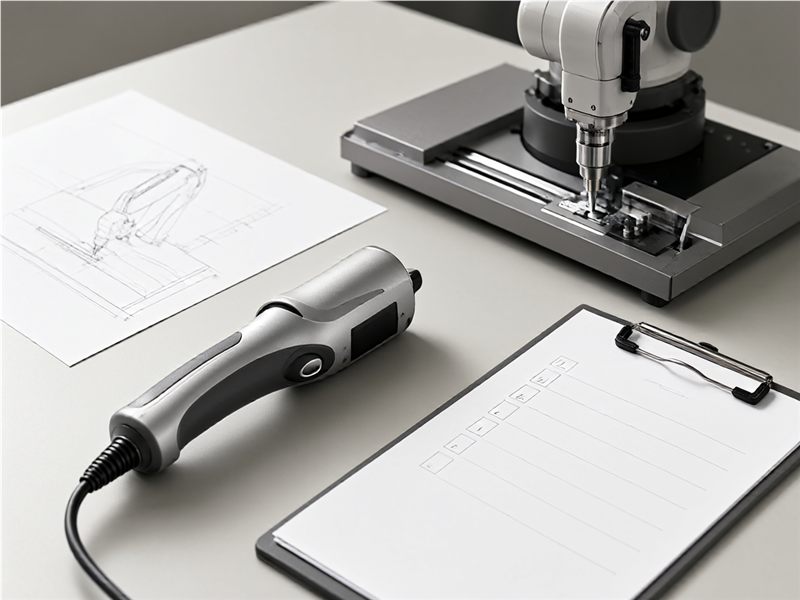
레이저 용접 건: 핸드헬드 세트를 재단부 및 작업자 계획에 맞추기
빠른 답변: A laser welding gun should be selected after the buyer defines the joint, material, workspace, operator plan and safety controls. A sample trial can screen an application, but qualified site safety and welding teams must approve the actual work method and safeguards.
Define the customer and channel
Describe the customer, use case and buying moment plainly. A a handheld laser welding system and its application-specific work cell for the facility’s local safety rules and destination-market requirements may serve more than one channel, but the promise should identify the primary audience and problem. Separate wholesale buyers, distributors, installers and end users where their questions differ. A direct answer gives searchers and AI systems a clear definition before the detail. Write the record so a second supplier or new team member can understand the same configuration. Tie every open question to an owner and date; do not let an informal call replace the controlled drawing, service scope or product file.
Translate the promise into requirements
Turn the customer promise into observable product or service requirements. State contents, use, options and what the buyer must supply. For a handheld laser welding system and its application-specific work cell, describe results in checkable terms such as compatibility, package contents, operating route or documented response instead of an unsupported adjective. For this topic, a useful comparison includes torch setup, wire feed, materials, fixture support, extraction and enclosure and states what is standard, optional or still unverified. Similar names or photographs do not establish mechanical fit, software behavior, service coverage or compliance.
Keep the first assortment manageable
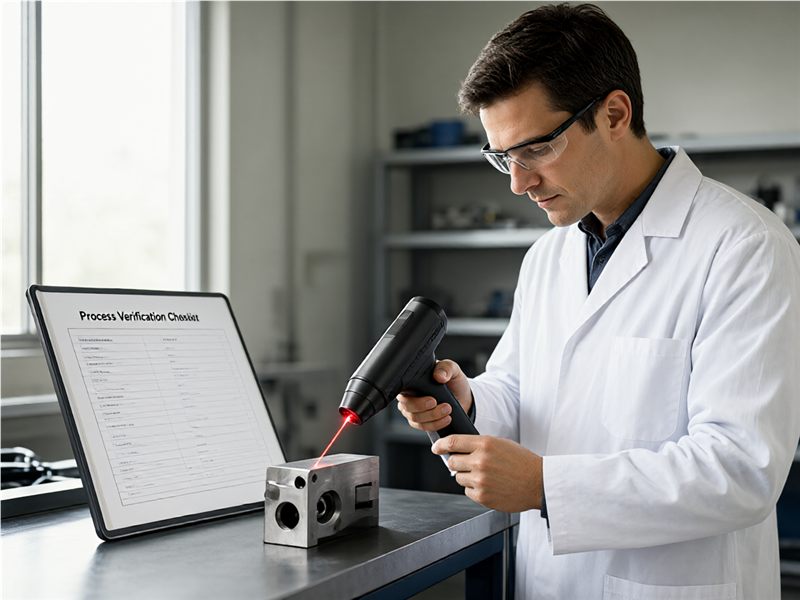
Keep the first assortment manageable. Give each variation its own SKU or service scope, distinguish standard contents from add-ons and show which versions share parts. Maintain one approved baseline, then add variants only after labels, stock and support are ready. Use joint access, part geometry, material, shift pattern and station layout as the basis for choosing a sample and deciding what to measure. If the sample leaves out a difficult condition, state the limit of the result instead of presenting it as proof for all use cases.
Substantiate each product claim
Substantiate each public statement with an owner and source. A technical statement should map to a drawing, test or supplier declaration; a service statement should map to a written process. Do not imply process checks and operator qualifications set by the responsible owner unless evidence exists for the same model and revision. A common failure mode is a gun selected without joint trials, training and access controls may not fit the work. Reduce it with a written check before release, plus a clear hold and escalation step when the check fails. The responsible owner should be able to find the evidence without relying on memory.
Validate the full customer experience
Review the full customer experience from selection through setup, use, cleaning or service. Test the physical item and instructions together, then ask someone unfamiliar with development to follow the steps. Include package, web page, accessories and support route. A buyer can ask the supplier to return the application brief, sample trial record, training plan and safety review with the quote or sample. That makes the response more useful than a broad capability statement and gives procurement, engineering and quality a shared starting point.
Review market-specific obligations
Build a checklist for each destination. Requirements can depend on age grade, vehicle category, electrical capability, glass application, installation context or logistics. Identify the importer or local project owner and use their current written requirement list. For a repeatable result, agree process checks and operator qualifications set by the responsible owner before the trial. Identify sample identity, measurement or operating method, record format and who signs off; if one condition changes, review the effect before reusing the approval.
Prepare labels and support material
Prepare labels and customer material from the approved record. Match model, variant, quantity, warnings, language, barcode, instructions and online imagery to one revision. If a picture shows an optional feature, say so clearly. Obtain local review for legal statements and translations. Plan application screening, sample trial, risk assessment, training and release as connected gates. Each gate should have an input, owner and output so a sample, order or installation cannot move forward with an unresolved issue hidden in an email thread.
Set a release-readiness gate
Define readiness evidence: approved sample or workflow, artwork, release record, supply plan, test status and support owner. Make open risks visible with a due date. A proposed production date or attractive sample alone does not mean a launch is ready. Market and site differences matter: the facility’s local safety rules and destination-market requirements can change the documents, labels, installation details or customer wording that must be reviewed. Name the responsible local party and use current primary guidance.
Coordinate inventory and delivery
Coordinate stock, cutoffs and delivery expectations. Separate a quoted lead time from a confirmed dispatch date and state assumptions. Show how an option, delay or destination change affects the plan and how the customer will see status. Before commercial release, align the product or service page with the approved scope. Explain a handheld laser welding system and its application-specific work cell in buyer language, but avoid performance or certification claims that the supporting file does not establish.
Prepare after-sales support
첫 주문 출하 전에 애프터세일즈 지원을 준비합니다. 연락처 채널, 사례 진단에 필요한 증거물, 교체 또는 반품 경로 및 에스컬레이션 담당자를 식별합니다. 지원 단계를 런칭 시 사용한 동일한 모델 및 시장 기록과 일치시키세요. 인계 시 모델 ID, 개정 사항, 훈련 또는 상태 기록 및 지정된 연락처를 포함하여 장비 파일을 숙련된 운영자, 유지보수 및 현장 안전 담당자에게 전달할 수 있도록 하십시오. 수신 측 담당자가 예외 사항에 대해 조치할 수 있을 때에만 이체가 완료된 것으로 간주합니다.
기준선 없이 피드백을 모니터링합니다
모델 또는 주문 ID, 고객 역할, 시장, 이슈 카테고리, 증거물 및 해결책을 갖춘 피드백을 수집합니다. 일화 한 건은 조사 트리거가 되어야 하며 제품 전체에 대한 주장이 되어서는 안 됩니다. 변경 사항이 승인되면 영향을 받는 고객 또는 로트를 식별하고 관련 자료를 업데이트하십시오. 조인트 접근, 부품 기하 구조, 소재, 교대 패턴 및 스테이션 레이아웃 또는 관리되는 부품이 변경될 때 변경 통지를 요청하십시오. 개정된 구성을 수용하기 전에 호환성, 테스트, 포장, 라벨, 훈련 및 고객 커뮤니션을 검토하십시오.
반복 가능한 릴리스 파일을 구축합니다
대상 구매자, 승인된 구성, 주장 및 증거물, 시장 검토, 포장, 지원 연락처 및 변경 이력을 포함하는 릴리스 파일로 마무리합니다. 이는 새로운 동료가 어떤 것이 사실인지, 무엇이 테스트되었는지, 그리고 무엇이 여전히 현지 검증을 기다리고 있는지를 설명해야 합니다. 명확한 결정은 어떤 구성이 적합하고, 어떤 증거가 이를 뒷받침하며, 무엇이 아직 미해결 상태인지 설명합니다. 이 구조는 인간 구매자에게 유용하며 검색 엔진과 AI 시스템이 정확하게 인용할 수 있도록 답변을 쉽게 만듭니다.
관련 항목 참조 TrueSyn 레이저 용접 장비 제품 및 공급업체 세부 정보.
시장 리뷰를 위한 1차 참고 자료
이러한 1차 참고 자료는 리뷰의 틀을 설정하는 데 도움이 됩니다. 실제 적용 대상에 대한 현재 지역 규정, 제품 분류 및 계약 요구 사항을 확인하십시오.
구매자가 자주 묻는 질문
휴대형 레이저 용접 시스템 및 응용 분야별 워크셀을 소싱할 때 구매자는 무엇을 확인해야 하는가?
응용 분야 개요, 샘플 시험 기록, 훈련 계획 및 안전 검토로 시작합니다. 기록을 모델 또는 서비스 개정 사항, 최종 목적지 및 의도된 용도와 일치시킨 후, 담당 소유자가 미해결 요구 사항을 승인하도록 요청하십시오.
구매자는 레이저 용접 건 옵션을 어떻게 비교해야 하는가?
동일한 범위에서 토치 설정, 와이어 피드, 재료, 집게대, 배출 및 인클로저를 비교하십시오. 포함 항목, 선택 항목, 미검증 항목에 라벨을 붙인 후, 명시된 사용 사례에 맞도록 적합성, 증거물, 서비스 및 총 비용을 평가하십시오.
출하를 뒷받침하는 증거는 무엇인가?
대표 샘플 또는 워크플로, 합의된 허용 방법, 추적 가능한 결과 및 지정된 승인 책임자를 사용하십시오. 범위가 정의되지 않은 데모를 보편적인 증거로 취급하지 마십시오.
요건이 시장 또는 사이트별로 상이한가?
예. 시설의 지역 안전 규정 및 최종 시장 요구 사항이 적용되는 규칙, 문서화, 설치 또는 고객 주장이 변경될 수 있습니다. 수입자, 프로젝트 소유자 또는 자격을 갖춘 현지 전문가와 최신 요구 사항을 확인하십시오.