
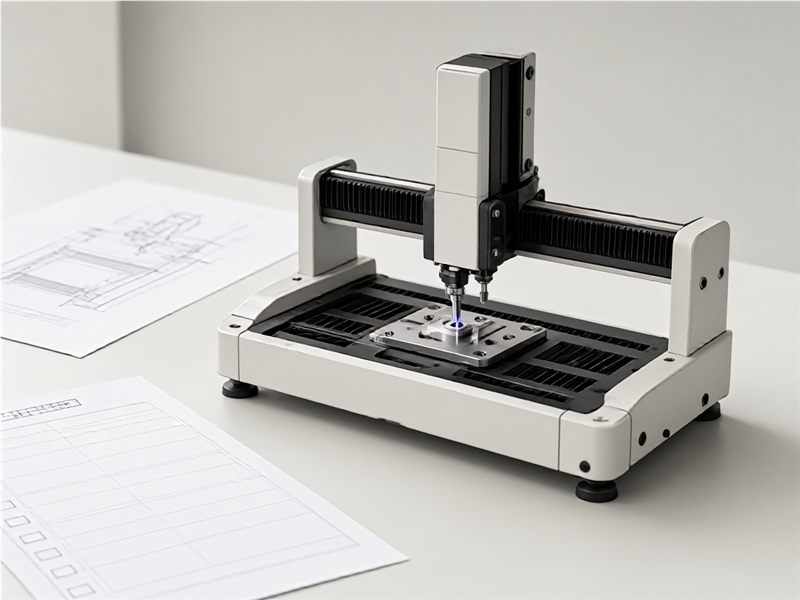
자동 용접 시스템: 스테이션, 부품 믹스 및 인계 맵핑
빠른 답변: Specify automated welding systems against the part family, joint requirements, loading pattern, takt target, safety concept and recovery method—not a robot model alone.
Map the process from start to finish
Draw the workflow as operators experience it, from arrival or setup through normal output, handoff and recovery. Include product identity, system state and owner at each step. For an automated welding system designed around a defined family of parts and production sequence, write down actual peaks and difficult cases rather than using only an average or ideal sample. A process map exposes where a missing scan, misfit or unclear instruction can stop the next operation. Write the record so a second supplier or new team member can understand the same configuration. Tie every open question to an owner and date; do not let an informal call replace the controlled drawing, service scope or product file.
Name each system and product interface
List every interface that must work: physical connection, control signal, data field, mounting point or service access. Identify the owner on each side and the revision of the drawing, program or master data. For an automated welding system designed around a defined family of parts and production sequence, part drawings, weld procedures, takt assumptions, fixture concepts, cell layout and representative trial results should connect the supplier deliverable to the receiving system. For this topic, a useful comparison includes robot reach, weld process, number of stations, operator loading, turntable or shuttle, sensing, extraction and data interface and states what is standard, optional or still unverified. Similar names or photographs do not establish mechanical fit, software behavior, service coverage or compliance.

Separate normal flow from exceptions
Define the normal route and exception route separately. State what happens when an item is damaged, an order is incomplete, a sensor reads nothing or an alarm appears. Give operators a safe hold condition, reason code and escalation contact. An implicit route encourages improvisation that is hard to audit. Use part revision, batch mix, weld joint, upstream datum, extraction requirement or site layout as the basis for choosing a sample and deciding what to measure. If the sample leaves out a difficult condition, state the limit of the result instead of presenting it as proof for all use cases.
Choose data operators can verify
Choose a small set of data fields that can be captured accurately at the work point. Use stable identifiers for SKU, model, lot or revision and record timestamps, quantity and exception reason where they support a decision. For an automated welding system designed around a defined family of parts and production sequence, agree the source of truth and who may edit each field. A common failure mode is a cell can meet a single-part demonstration yet miss changeover time, upstream variation, downstream access or safe recovery needs. Reduce it with a written check before release, plus a clear hold and escalation step when the check fails. The responsible owner should be able to find the evidence without relying on memory.
Include access and safety review
Review access, guarding, lifting, pinch points, maintenance clearance and emergency response with the responsible site safety professional. Keep the assessment specific to the installed arrangement. Where a cell can meet a single-part demonstration yet miss changeover time, upstream variation, downstream access or safe recovery needs is present, document what operators may do, what requires isolation and who authorizes a restart. A buyer can ask the supplier to return part drawings, weld procedures, takt assumptions, fixture concepts, cell layout and representative trial results with the quote or sample. That makes the response more useful than a broad capability statement and gives procurement, engineering and quality a shared starting point.
Trial representative conditions
Trial the workflow using representative volume, product variation and at least one planned exception. Record start conditions, actual steps, handoffs, recovery and unresolved issues. Do not present a short demonstration as a universal rate unless the workload and measurement window are disclosed. For a repeatable result, agree approved sample quality, repeatable cycle assumptions, guarded access, planned exception handling and documented operator tasks before the trial. Identify sample identity, measurement or operating method, record format and who signs off; if one condition changes, review the effect before reusing the approval.
Prepare role-based training
Turn the approved sequence into role-based instructions. Operators need start, stop, check and escalation steps; supervisors need status visibility; maintenance staff need safe access and diagnostic context. Record training against the actual revision and notify teams when it changes. Plan part-family review, process selection, material-flow study, fixture and torch access review, pilot trial and production acceptance as connected gates. Each gate should have an input, owner and output so a sample, order or installation cannot move forward with an unresolved issue hidden in an email thread.
Define measures before launch
의사결정에 일치하는 지표를 선택하세요: 완료율, 예외 수, 응답 시간, 재고 편차 또는 테스트 성공 결과. 비교 전에 분자, 분모, 기간 및 제외 사항을 정의하세요. 기준선과 수치가 수집된 조건을 보고하세요. 시장 및 사이트 차이는 중요합니다: 설치된 작업 영역, 적용되는 안전 규정 및 생산 부품 구성이 검토해야 하는 문서, 라벨, 설치 세부 사항 또는 고객 표현을 변경할 수 있습니다. 책임 있는 현지 대상을 명시하고 최신의 주요 지침을 사용하세요.
에스컬레이션 소유자를 지정합니다.
심각도, 책임자, 응답 기대치 및 첨부 증거를 포함한 에스컬레이션 경로를 작성하십시오. 최선방은 작업을 보류할 시점과 재개할 수 있는 시점을 인지해야 하며, 지원팀은 관련 식별자, 사진, 경보 또는 거래 기록이 필요합니다. 상업적 출시 전, 승인된 범위와 제품 또는 서비스 페이지를 일치시키십시오. 정의된 부품 계열과 생산 순서를 중심으로 설계된 자동 용접 시스템에 대해 구매자 언어로 설명하되, 보조 문서로 입증되지 않는 성능 또는 인증 주장은 피하십시오.
인수인계를 사용 가능하게 만듭니다.
인계 시 현재 레이아웃, 인터페이스 목록, 수정판, 예비품 목록, 교육 기록, 승인된 한계 및 미해결 항목을 이관하십시오. 기록 시스템에 대한 접근성을 확인하고 과거 사례의 검색을 테스트하십시오. 인계팀은 원 프로젝트 팀 없이 증거를 찾을 수 있어야 합니다. 핸드오프 시, 정의된 부품 계열과 생산 순서를 중심으로 설계된 승인된 자동 용접 시스템의 구성, 샘플 기록 및 수정판을 모델 ID, 수정판, 교육 또는 상태 기록 및 지정된 담당자를 포함한 다음 담당 팀에서 다음 팀에 가용하도록 하십시오. 인계받은 책임자가 예외에 대응할 수 있을 때만 이관이 완료된 것입니다.
유지보수 및 변경 관리 계획 수립
실제 고장 모드와 공급업체 지침에 맞춰 유지보수 및 변경 사항을 검토하십시오. 검사 트리거, 필요한 부품 또는 도구, 자격 요건 보유자 및 재가동 전 점검을 기록하십시오. 제품 문서에 주기 정보가 없으면 보편적 주기를 임의로 설정하지 마십시오. 부품 리비전, 배치 혼합, 용접 접합부, 상류 벤치마크, 추출 요구사항 또는 사이트 레이아웃 또는 제어 구성 요소가 변경될 경우 변경 통지를 요청하십시오. 수정된 구성을 승인하기 전에 호환성, 테스트, 포장, 라벨, 교육 및 고객 커뮤니케이션을 검토하십시오.
실제 결과를 기준치와 대조 검토
첫 번째 운영 주기 후 결과를 기준선과 비교하고 변경된 사항을 기록하십시오. 프로세스 개선을 제품 구성, 인력 배치, 사이트 레이아웃 또는 측정 방법 변경과 구별하십시오. 방법이 다른 위치로 이전될 경우 지역 접근성, 교육, 데이터 및 안전을 재검토하십시오.
관련 항목 참조 TrueSyn 로봇 금속가공 솔루션 제품 및 공급업체 세부 정보.
시장 리뷰를 위한 1차 참고 자료
이러한 1차 참고 자료는 리뷰의 틀을 설정하는 데 도움이 됩니다. 실제 적용 대상에 대한 현재 지역 규정, 제품 분류 및 계약 요구 사항을 확인하십시오.
구매자가 자주 묻는 질문
정의된 부품 패밀리와 생산 순서를 중심으로 설계된 자동 용접 시스템을 소싱할 때 구매자는 무엇을 확인해야 합니까?
부품 도면, 용접 절차, 타크 시간 가정, 픽스처 개념, 셀 레이아웃 및 대표적 시험 결과에서 시작하십시오. 기록을 모델 또는 서비스 리비전, 목적지 및 용도로 대조한 후, 해당 책임자가 미결 요구사항에 대해 승인하도록 요청하십시오.
구매자는 자동 용접 시스템 옵션을 어떻게 비교해야 합니까?
Compare robot reach, weld process, number of stations, operator loading, turntable or shuttle, sensing, extraction and data interface on the same scope. Label included, optional and unverified items, then evaluate fit, evidence, service and total cost against the stated use case.
출하를 뒷받침하는 증거는 무엇인가?
대표 샘플 또는 워크플로, 합의된 허용 방법, 추적 가능한 결과 및 지정된 승인 책임자를 사용하십시오. 범위가 정의되지 않은 데모를 보편적인 증거로 취급하지 마십시오.
요건이 시장 또는 사이트별로 상이한가?
네. 설치된 작업 영역, 적용되는 안전 규정 및 생산 제품 믹스는 적용되는 규정, 문서화, 설치 또는 고객 클레임을 변경할 수 있습니다. 수입자, 프로젝트 소유자 또는 자격을 갖춘 지역 전문가와 현재 요구 사항을 확인하세요.