
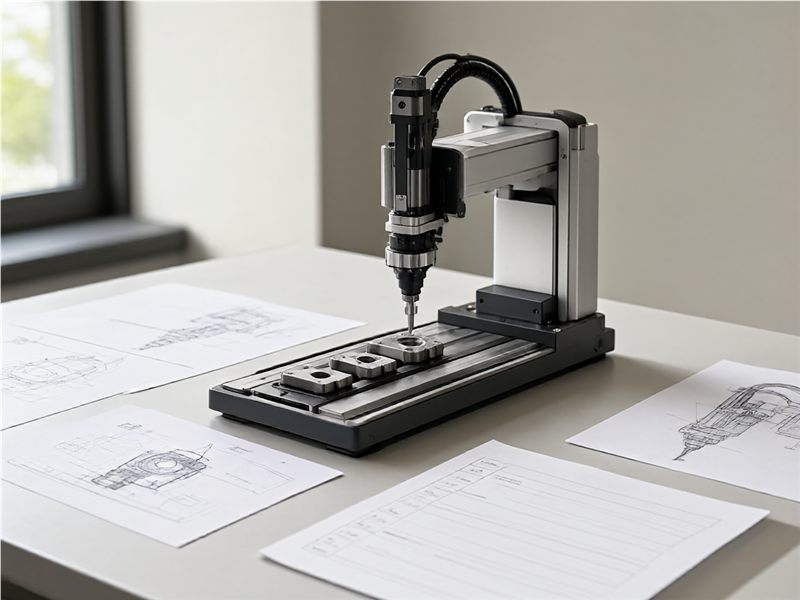
Soldadores robóticos para lotes pequeños: planifique la herramienta y el cambio de herramienta
Respuesta rápida: For robot welders serving small batches, align part families, fixture identification, program selection, changeover checks and weld acceptance samples.
Mapa el proceso desde el principio hasta el final
Draw the workflow as operators experience it, from arrival or setup through normal output, handoff and recovery. Include product identity, system state and owner at each step. For a robotic welding setup serving several low- or medium-volume part variants, write down actual peaks and difficult cases rather than using only an average or ideal sample. A process map exposes where a missing scan, misfit or unclear instruction can stop the next operation. Write the record so a second supplier or new team member can understand the same configuration. Tie every open question to an owner and date; do not let an informal call replace the controlled drawing, service scope or product file.
Nombrar cada interfaz de sistema y producto
List every interface that must work: physical connection, control signal, data field, mounting point or service access. Identify the owner on each side and the revision of the drawing, program or master data. For a robotic welding setup serving several low- or medium-volume part variants, part-family drawings, fixture IDs, program revisions, changeover observations and representative weld samples should connect the supplier deliverable to the receiving system. For this topic, a useful comparison includes single or shared fixture, quick-change location, program selection, torch package, positioner, datum strategy and sample plan and states what is standard, optional or still unverified. Similar names or photographs do not establish mechanical fit, software behavior, service coverage or compliance.

Separar el flujo normal de las excepciones
Define the normal route and exception route separately. State what happens when an item is damaged, an order is incomplete, a sensor reads nothing or an alarm appears. Give operators a safe hold condition, reason code and escalation contact. An implicit route encourages improvisation that is hard to audit. Use part variant, joint, fixture wear, program revision, batch size or operator handoff as the basis for choosing a sample and deciding what to measure. If the sample leaves out a difficult condition, state the limit of the result instead of presenting it as proof for all use cases.
Elegir datos que los operadores puedan verificar
Choose a small set of data fields that can be captured accurately at the work point. Use stable identifiers for SKU, model, lot or revision and record timestamps, quantity and exception reason where they support a decision. For a robotic welding setup serving several low- or medium-volume part variants, agree the source of truth and who may edit each field. A common failure mode is frequent changeovers can consume production time or create mix-ups if fixtures, programs and weld checks are not revision matched. Reduce it with a written check before release, plus a clear hold and escalation step when the check fails. The responsible owner should be able to find the evidence without relying on memory.
Incluya la revisión de acceso y seguridad
Review access, guarding, lifting, pinch points, maintenance clearance and emergency response with the responsible site safety professional. Keep the assessment specific to the installed arrangement. Where frequent changeovers can consume production time or create mix-ups if fixtures, programs and weld checks are not revision matched is present, document what operators may do, what requires isolation and who authorizes a restart. A buyer can ask the supplier to return part-family drawings, fixture IDs, program revisions, changeover observations and representative weld samples with the quote or sample. That makes the response more useful than a broad capability statement and gives procurement, engineering and quality a shared starting point.
Pruebe condiciones representativas
Trial the workflow using representative volume, product variation and at least one planned exception. Record start conditions, actual steps, handoffs, recovery and unresolved issues. Do not present a short demonstration as a universal rate unless the workload and measurement window are disclosed. For a repeatable result, agree the correct fixture and program are identifiable, setup steps are repeatable and samples meet the agreed weld criteria before the trial. Identify sample identity, measurement or operating method, record format and who signs off; if one condition changes, review the effect before reusing the approval.
Prepare formación basada en roles
Turn the approved sequence into role-based instructions. Operators need start, stop, check and escalation steps; supervisors need status visibility; maintenance staff need safe access and diagnostic context. Record training against the actual revision and notify teams when it changes. Plan variant grouping, fixture and reach review, program mapping, changeover trial, weld inspection and operator release as connected gates. Each gate should have an input, owner and output so a sample, order or installation cannot move forward with an unresolved issue hidden in an email thread.
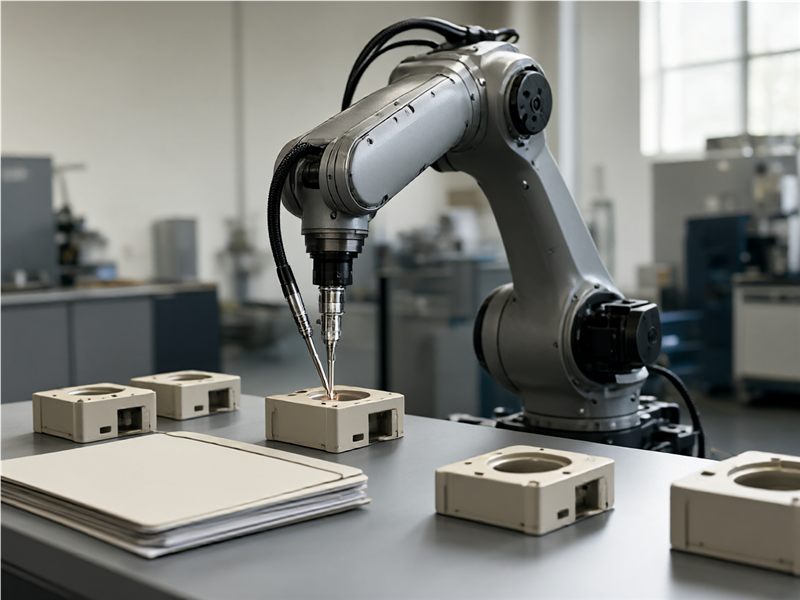
Defina las medidas antes del lanzamiento
Select measures that match the decision: completion rate, exception count, response time, inventory variance or successful test result. Define numerator, denominator, time period and exclusions before comparison. Report the baseline and conditions under which the number was collected. Market and site differences matter: the installed work area, applicable safety rules and production part mix can change the documents, labels, installation details or customer wording that must be reviewed. Name the responsible local party and use current primary guidance.
Assign an escalation owner
Create an escalation path with severity, owner, response expectation and evidence to attach. The front line should know when to hold work and when it may resume; support teams need the relevant identifier, photo, alarm or transaction record. Before commercial release, align the product or service page with the approved scope. Explain a robotic welding setup serving several low- or medium-volume part variants in buyer language, but avoid performance or certification claims that the supporting file does not establish.
Make the handover usable
At handover, transfer the current layout, interface list, revision, spare-parts list, training record, approved limits and unresolved items. Confirm access to the record system and test retrieval of an older case. The receiving team should be able to find evidence without the original project team. At handoff, make the approved a robotic welding setup serving several low- or medium-volume part variants configuration, sample record and revision to the next responsible team available to the next team with a model ID, revision, training or status record and named contact. A transfer is complete only when the receiving owner can act on an exception.
Plan maintenance and change control
Schedule maintenance and change review around actual failure modes and supplier instructions. Record inspection triggers, required parts or tools, qualified owner and return-to-service check. Do not invent a universal interval where product documentation gives none. Ask for a change notice when part variant, joint, fixture wear, program revision, batch size or operator handoff or a controlled component changes. Review compatibility, tests, packaging, labels, training and customer communication before accepting the revised configuration.
Review actual results against baseline
After the first operating period, compare results with the baseline and record what changed. Separate process improvements from product mix, staffing, site layout or measurement changes. Re-review local access, training, data and safety when the method moves to another location. A clear decision explains which configuration fits, which evidence supports it, and what is still open. That structure serves a human buyer and makes the answer easier for search engines and AI systems to quote accurately.
Ver los relacionados TrueSyn robotic metalworking solutions para detalles de producto y proveedor.
Referencias primarias para la revisión de mercado
Estas referencias primarias ayudan a enmarcar la revisión. Confirmar las reglas locales actuales, la clasificación del producto y los requisitos contractuales para la aplicación real.
- Resumen de robótica de OSHA
- Manual técnico de la OSHA: Robótica industrial y seguridad de sistemas robóticos
Preguntas que los compradores hacen a menudo
What should buyers verify when sourcing a robotic welding setup serving several low- or medium-volume part variants?
Start with part-family drawings, fixture IDs, program revisions, changeover observations and representative weld samples. Match the record to the model or service revision, destination and intended use, then ask the responsible owner to approve any open requirement.
How should a buyer compare robot welders options?
Compare single or shared fixture, quick-change location, program selection, torch package, positioner, datum strategy and sample plan on the same scope. Label included, optional and unverified items, then evaluate fit, evidence, service and total cost against the stated use case.
¿Qué evidencia respalda la liberación?
Utilice una muestra o flujo de trabajo representativo, el método de aceptación acordado, resultados trazables y un responsable de aprobación designado. No trate una demostración sin alcance definido como prueba universal.
¿Las normas varían según el mercado o la ubicación?
Sí. el área de trabajo instalada, las normas de seguridad aplicables y la mezcla de piezas de producción pueden cambiar las reglas aplicables, la documentación, la instalación o las reclamaciones del cliente. Confirme el requisito actual con el importador, el responsable del proyecto o un profesional local calificado.