
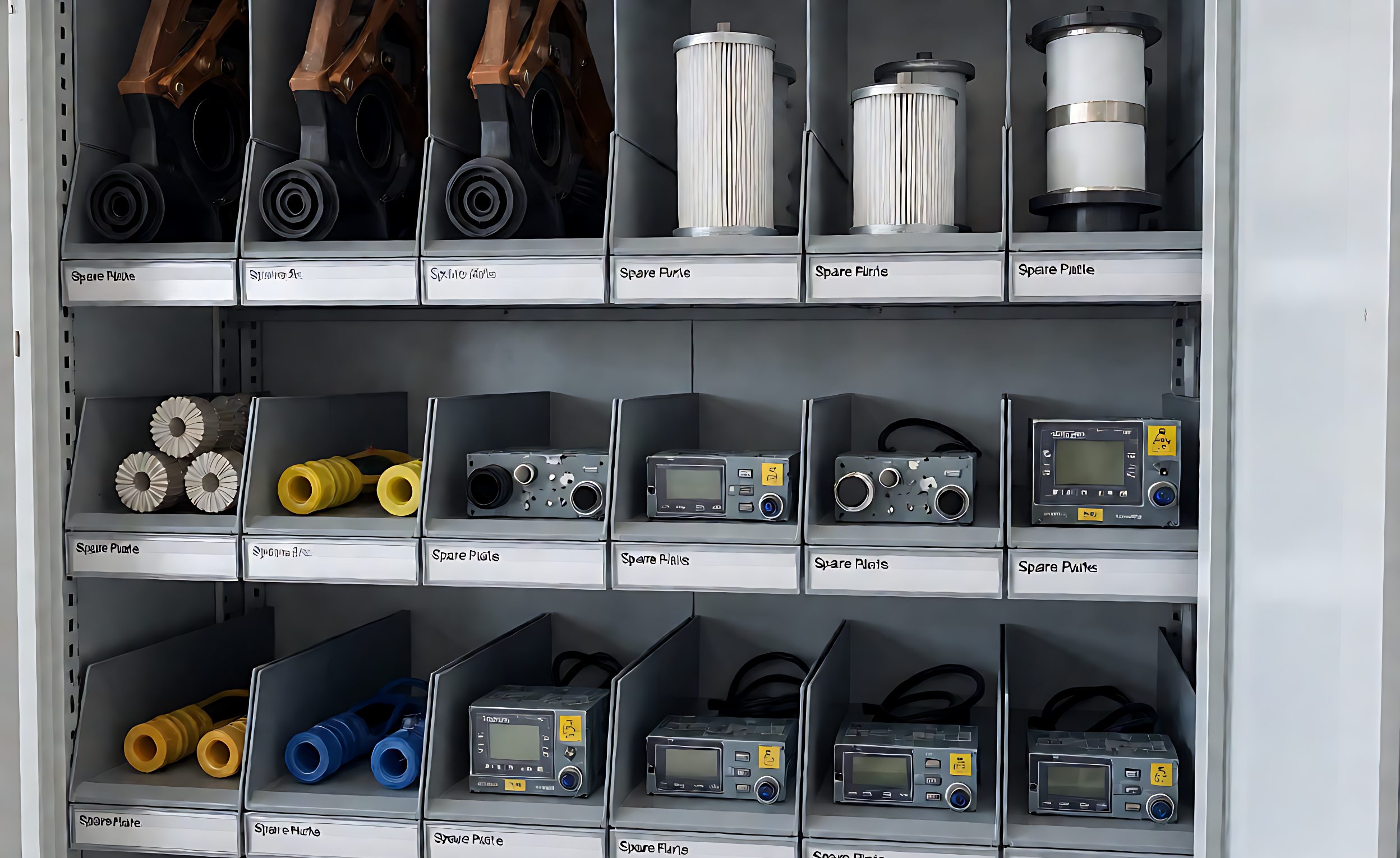
Комплект запасных частей на первый год для лазерного сварочного ячейки: что следует держать в наличии
Year one of a new welding cell is when an operation learns what actually fails. That learning is unavoidable; the question is whether it is paid for in downtime or in a modest stock of parts. A well-chosen first-year kit converts the learning period into data rather than outages, and it costs far less than the production it protects.
The mistake in either direction is easy. Too little stock and a consumable failure stops the cell for a week. Too much, and the shelf fills with parts that are superseded before they are used – which is the more common error, because spares lists are usually copied rather than reasoned.
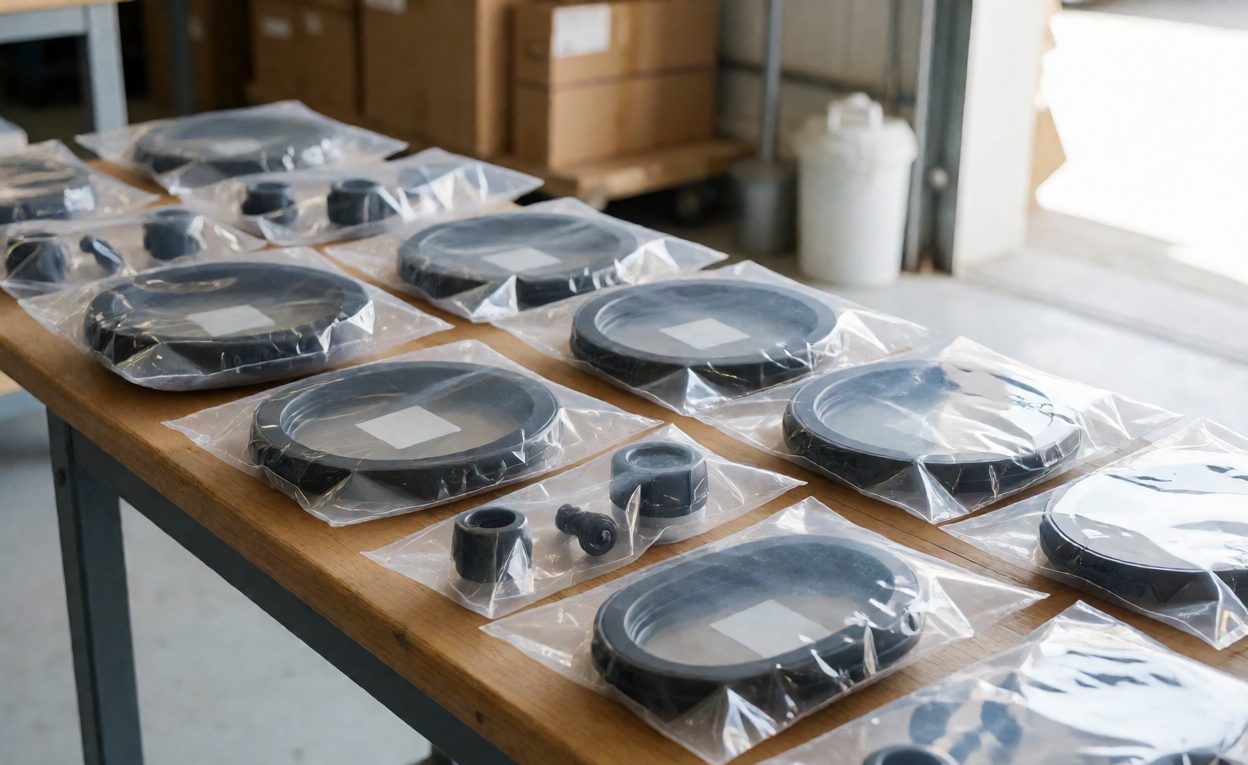
Rank by Consequence and Lead Time
The method is the same one used for any capital equipment: classify each candidate part by what happens when it fails and how long replacement takes.
- Hold on site: short-life consumables and anything whose failure stops the cell and cannot be sourced in days. Protective windows, nozzles, filters, and any module with a long replacement lead time.
- Hold one spare: items that fail occasionally, are expensive, and have a moderate lead time. A single spare is usually enough in year one.
- Rely on supplier stocking: expensive, slow-moving items where the supplier can commit to a dispatch time. Put the commitment in writing with a named part number.
- Do not hold: items available locally off the shelf, and items whose failure does not stop production.
The Year-One List
Every cell differs, but a first-year kit for a robotic laser welding cell usually contains the following, in rough order of how often they are needed.

- Защитные стекла и защитные шторки: the highest-turnover item. Hold in quantity.
- Nozzles, tips and gas cups: wear items; hold multiples of the sizes in use.
- Фильтры: fume extraction cartridges and pre-filters, plus chiller filters. Serviced on a schedule rather than consumed visibly, which is why they get forgotten.
- Coolant and water treatment consumables: tied to the chiller maintenance schedule in руководстве по чиллерам.
- Fuses, relays and common electrical spares: cheap, and a surprising share of call-outs.
- One critical electronic module: whichever the supplier identifies as the highest-risk single point of failure with a long lead time.
- Seals and hoses for the cooling loop: low cost, and a leak stops the cell immediately.
What the Supplier Should Include
Most suppliers provide a commissioning spares set. Ask what it contains before contract, because contents vary widely and the set is sometimes only consumables required for commissioning rather than for operation.
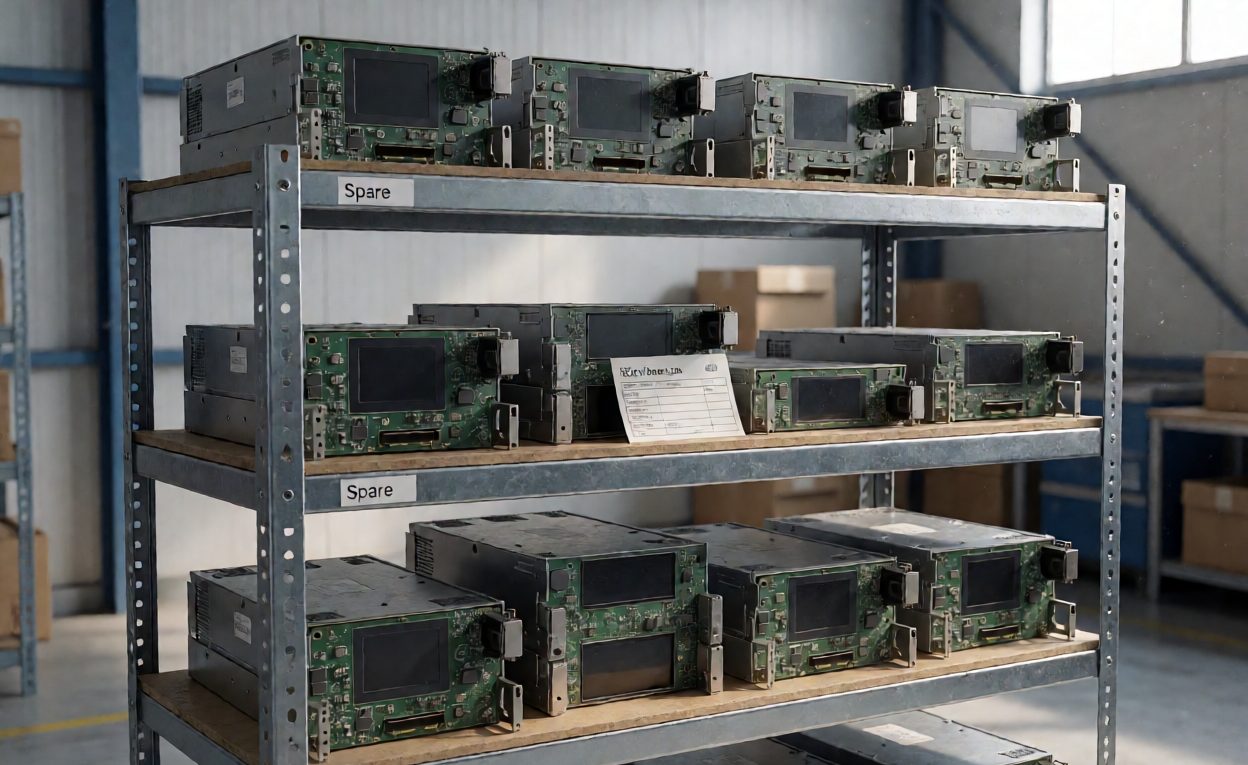
Three things are worth requesting in addition: a recommended two-year list with lead times marked, the part numbers and revision levels actually installed rather than those in the generic manual, and a statement of which critical items the supplier holds regionally with a dispatch commitment. That last item determines how much the buyer needs to hold, and there is no reason to duplicate stock the supplier has already committed to.
Avoiding the Obsolete Shelf
The failure mode of a spares kit is gradual irrelevance. Software updates, component revisions and process changes all invalidate part numbers, and after two years the kit describes a configuration that no longer exists.
Two habits prevent this. Review the list when anything changes – a control upgrade, a head replacement, a process change – rather than on a calendar. And record every issue against a part number, so that the list becomes evidence-based: after a year, the data shows which items are genuinely consumed and which have never been touched. Items never touched and cheap to source can be removed; items consumed faster than expected should be increased.
The consumables estimate in the cost-per-part article gives the usage side of the same picture, and the two should be maintained together – one describes what is used, the other what is held. Where the cell was bought from a Chinese manufacturer, asking about regional parts support is part of manufacturer selection, not an afterthought. Запасные части management is a mature discipline; the point of applying it here is that a welding cell’s risk is concentrated in a small number of long-lead items, and identifying those is most of the work. Inventory carried for insurance has a cost, which is exactly why the review habit matters.
One more category deserves a place in the review: tooling spares. Clamps, locators and wear surfaces are consumed faster than most first-year lists assume, and a fixture out of action stops the cell as effectively as a robot fault. Holding wear elements for the fixture is usually cheaper than holding a second fixture and covers most of the realistic failures. Maintenance, repair and operations stock is often managed separately from production spares; where that is the case, make sure the cell’s list appears in both reviews, or the items will fall between two owners.
ЧАВО
Сколько должен стоить набор для первого курса?
Modest relative to the cell. The value is in the two or three long-lead items that would otherwise stop production for weeks.
Какой предмет используется чаще всего?
Protective windows and cover slides, followed by nozzles and tips.
Следует ли приобретать каждую рекомендованную запасную деталь?
No. Rank by consequence and lead time, and do not duplicate what the supplier stocks regionally with a commitment.
Что следует запросить у поставщика?
A two-year list with lead times, installed part revisions, and a written regional stocking commitment.
Почему запасные комплекты становятся устаревшими?
Component revisions and upgrades invalidate part numbers; review on change events rather than on a calendar.
Как должна отслеживаться использование?
Record every issue against a part number, then adjust the list annually based on what was actually consumed.
Is a commissioning set the same as an operating set?
Often not. Check contents before contract; commissioning sets can be limited to what installation requires.